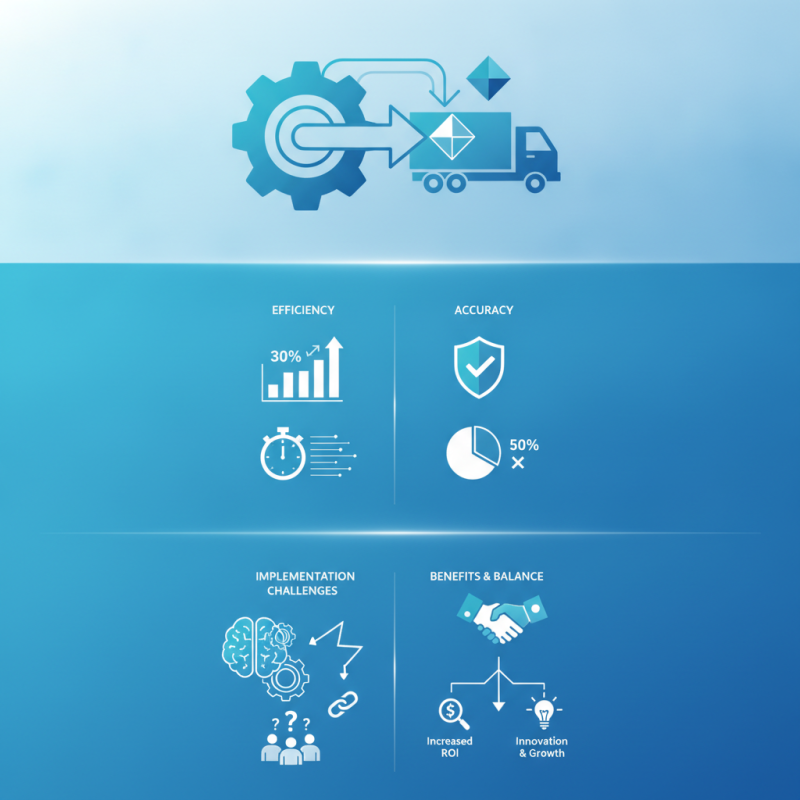
In today’s fast-paced logistics environment, the question, "Why is automation important in modern loading systems?" gains increasing relevance. According to industry reports, automated loading systems can enhance efficiency by up to 30% compared to manual processes. Companies employing these technologies report reduced loading times, which is crucial in meeting tight delivery schedules.
Automation doesn’t just improve speed; it also enhances accuracy. Studies show that automated systems can decrease loading errors by approximately 50%. This accuracy is essential in maintaining customer trust and preventing costly mistakes. However, the transition to automation is not without its challenges. Many organizations struggle to integrate these systems effectively, leading to temporary disruptions and employee resistance.
The benefits of automation are substantial, yet they require thoughtful implementation. Organizations must invest in training and adapt their workflows to leverage these technologies fully. Balancing automation and human input is vital. As the industry evolves, the challenge lies in navigating these complexities while reaping the rewards of modern loading systems.
Automation is revolutionizing modern loading systems. By integrating advanced technologies, companies increase loading efficiency. Traditional methods are often slow and error-prone. Manual labor can lead to delays. Automation minimizes these issues. It speeds up the process while reducing human error.
Consider a warehouse scenario. Automated conveyor belts and robotic arms quickly sort and load goods. This technology can handle higher volumes. Yet, it requires upfront investment and skilled personnel for maintenance. Balancing costs with efficiency is crucial. Some may argue that reliance on technology can cause vulnerabilities. A system failure could halt operations.
However, embracing automation presents long-term gains. Real-time data tracking enhances decision-making. Companies can adjust operations as needed. The challenge remains: how do we adapt to these changes? Continuous training and evaluation are necessary. It’s essential to find the right balance. Efficiency must not compromise safety or workforce morale.
Automated loading systems are changing industries. Key technologies drive this transformation. Artificial intelligence plays a pivotal role, enabling systems to learn and adapt. AI enhances scheduling and optimizes routes. Predictive analytics also helps anticipate demand, reducing downtime.
Robotics is equally important. Autonomous vehicles streamline the loading process. They reduce human error and improve efficiency. Sensors and IoT devices monitor operations in real time. This data creates a feedback loop, allowing for continuous improvement.
However, these technologies are not flawless. Challenges remain. Implementing automation can require a significant upfront investment. There is a learning curve for staff members too. Transitioning from manual processes to automated systems may face resistance. Organizations must address these concerns to fully leverage automation's benefits.
| Technology | Functionality | Benefits | Impact on Efficiency |
|---|---|---|---|
| Automated Guided Vehicles (AGVs) | Transport materials within loading areas | Increased speed and reduced labor costs | Up to 30% improvement in loading times |
| Robotic Arms | Automated stacking and sorting of goods | Increased accuracy and safety | Reduction of handling errors by 40% |
| Conveyor Systems | Continuous movement of materials | Reduced manual intervention | Enhanced overall throughput by 25% |
| Warehouse Management Systems (WMS) | Software that optimizes inventory management | Improved inventory accuracy | Boosts efficiency by 20% |
| Automated Loading Docks | Mechanisms for quick loading/unloading | Faster operations | Up to 50% reduction in dock time |
Automation in loading operations brings several significant benefits, enhancing efficiency and safety. Automated systems minimize human error, which can lead to accidents or delays. By using advanced technology, organizations can streamline workflows and maintain consistent performance. Real-time data tracking allows for better inventory management. Accurate forecasting is possible, which can reduce overstock and understock issues.
Cost savings are another critical advantage. Automation reduces labor costs while increasing throughput. Fewer workers are needed for manual tasks. However, it’s essential to train remaining staff adequately. They must understand the systems in place. A potential challenge emerges here: workforce adaptation. Some employees may resist these changes, fearing job loss or complexity.
Moreover, automation improves safety. Loading docks can be hazardous environments. Automated equipment can handle heavy lifting and transport, minimizing the risk of injuries. Despite these advantages, companies must continuously evaluate their systems. They should ensure they are meeting safety standards and adapting to new technologies. Reflection on these factors may highlight areas for improvement, making operations even more effective.
Automation plays a crucial role in modern loading systems, yet implementing such technology presents unique challenges. Industry research indicates that nearly 70% of logistics companies struggle with integrating automated processes effectively. This struggle often arises from a lack of skilled personnel who can manage sophisticated automated systems. Additionally, existing infrastructure may not be designed to accommodate new technologies, leading to costly retrofitting.
Another significant challenge is the high initial investment required for automation. Many organizations hesitate to allocate the necessary resources. Data from recent studies suggest that businesses can expect ROI within three to five years if automation is implemented correctly. However, the perception of risk causes many to delay decisions. Layout planning and system compatibility should also be priorities, as mismatches can impede operational efficiency.
Addressing these challenges requires a multifaceted strategy. Companies must invest in training programs to develop talent capable of managing automated systems. Collaborating with industry experts can help streamline implementation and reduce downtime. Moreover, organizations should conduct thorough assessments of their current operations to ensure automation aligns with broader business goals. In doing so, they can maximize efficiency while minimizing disruptions during the transition.
The landscape of automated loading systems is evolving rapidly. As industries strive for efficiency, automation becomes a critical component. This shift signifies not just speed but also precision in processes. Manual errors diminish significantly, and cargo handling becomes safer. Factories and warehouses are increasingly adopting automated solutions to manage heavy loads and optimize workflows.
Future trends highlight the integration of artificial intelligence and machine learning. These technologies can enhance decision-making capabilities. For instance, AI can predict maintenance needs, reducing downtime. But this integration is not without challenges. Companies must ensure their workforce is trained to work with new systems. The learning curve can be steep, leading to initial productivity dips.
Sustainability is another focus for the future of automated loading. Businesses are exploring eco-friendly technologies to reduce their carbon footprints. Although this transition is promising, it requires significant investment. Companies need a balance between adopting new tech and managing costs. Thus, while automation offers remarkable benefits, it prompts vital questions about adaptation and long-term strategy.
This chart illustrates the increasing adoption rate of automation in loading systems from 2019 to 2023. The data shows a significant upward trend, indicating that more companies are integrating automated systems to enhance efficiency in their loading processes.
: Automation significantly improves loading efficiency by reducing errors and speeding up processes.
Artificial intelligence, robotics, and IoT devices are essential for enhancing automation in loading systems.
High initial costs and a perceived risk often make organizations reluctant to adopt automated solutions.
Automated systems reduce reliance on manual labor, decreasing the chance of mistakes during loading operations.
Challenges include lack of skilled personnel, infrastructure limitations, and high upfront investment costs.
Investing in staff training ensures employees can effectively manage automated systems and leverage their full potential.
Real-time data tracking allows for better decision-making and quicker adjustments to operations when needed.
Businesses can typically expect a return on investment within three to five years with proper implementation.
Mismatched system compatibility and layout planning issues can negatively affect operational efficiency.
Maintaining workforce morale is critical; efficiency should not come at the cost of employee satisfaction.
Automation is crucial in modern loading systems due to its significant role in enhancing loading efficiency. By integrating advanced technologies such as robotics, sensors, and machine learning, automated loading systems streamline operations, reduce human error, and optimize resource utilization. The benefits of automation extend beyond speed; they also include improved safety, reduced operational costs, and the ability to adapt to fluctuating market demands.
However, implementing automation comes with challenges, such as the initial investment and the need for skilled personnel. Organizations must navigate these issues by investing in training and gradually integrating automated solutions. Looking ahead, the future of automated loading systems will likely witness continued innovation, increasing their importance in logistics and manufacturing. Therefore, understanding "why is automation important in modern loading systems?" is essential for businesses aiming to remain competitive in an evolving marketplace.

Liftora Arm