2026 Best Tips for Maintaining Marine Chemical Loading Systems

Time:2026-08-06 Author:Mason
0%

Maintaining marine chemical loading systems is vital for the safety and efficiency of marine operations. Proper maintenance ensures not only the longevity of the equipment but also compliance with environmental standards. Many operators ask, "How to maintain marine chemical loading systems?" This question reflects the need for comprehensive knowledge and hands-on experience in this field.

Effective maintenance involves regular inspections and prompt repairs. Keeping detailed records helps track the system's performance over time. A skilled technician can identify minor issues before they escalate. It is essential to stay updated on the latest industry practices to improve reliability. Marine environments pose unique challenges, which can sometimes lead to errors. Operators must learn from past mistakes and continually adapt their strategies.

In addition, understanding chemical handling is crucial. Different chemicals require specific maintenance procedures. Failing to follow these can lead to hazardous situations. Building a culture of safety and responsibility among the crew enhances operational success. By fostering an environment of collaboration, teams can share insights and improve their maintenance practices together.
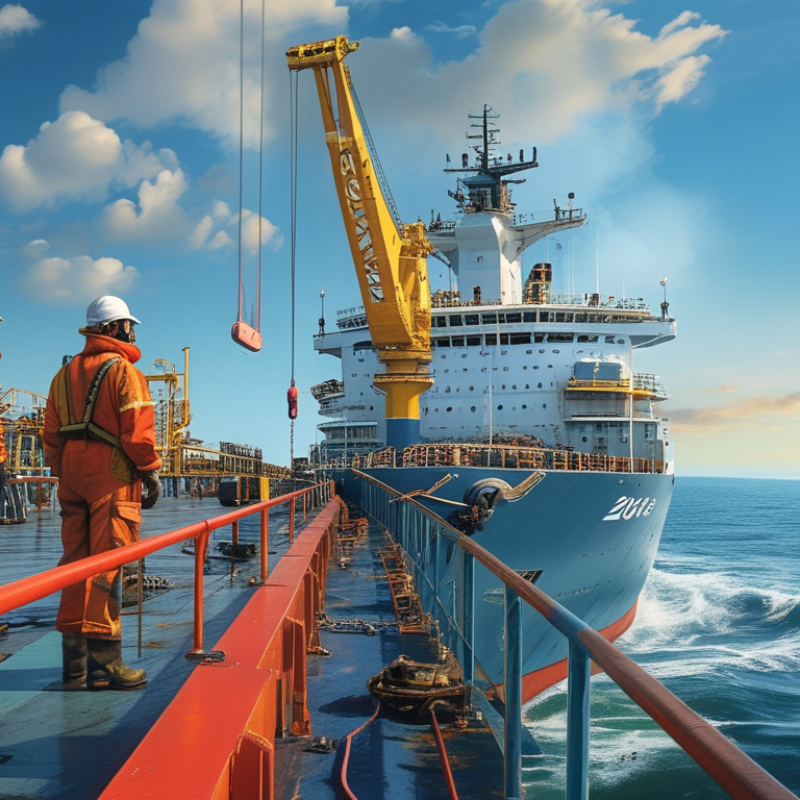
2026 Best Tips for Maintaining Marine Chemical Loading Systems

Overview of Marine Chemical Loading Systems and Their Importance

Marine chemical loading systems play a crucial role in maritime operations. They facilitate the transfer of essential chemicals necessary for various functions, like maintaining vessel performance and safety standards. Proper operation and maintenance of these systems not only enhance efficiency but also prevent environmental hazards.

Maintaining these systems requires vigilance. Regular inspections are key. Look for leaks or corrosion. Any signs of wear must be addressed swiftly. Ensure that all components are functioning correctly. It’s advisable to create a checklist for routine inspections. This can help streamline the maintenance process.

Awareness of industry standards is vital. Training crew members on proper procedures should never be overlooked. Frequent workshops can help enhance knowledge. Familiarity with emergency protocols can make a significant difference in crisis situations. These practices contribute to safe chemical handling and improve overall operation reliability.

Key Components of Marine Chemical Loading Systems

Marine chemical loading systems play a crucial role in maritime operations. Understanding their key components is vital for optimal performance. These systems often include hoses, pumps, and storage tanks, each requiring careful monitoring to ensure efficiency. According to recent industry reports, improper maintenance of these components can lead to leaks, costing companies thousands in repairs and regulatory fines.


For example, hoses typically have a lifespan of five to ten years. Environmental conditions and chemical exposure can accelerate wear. Regular inspection is essential to identify signs of deterioration. Moreover, the pumps in these systems must often handle volatile substances. This adds complexity, as any failure could result in catastrophic spills. Maintenance records should be meticulously kept to track performance trends.


Storage tanks present another layer of challenge. They must be designed to withstand various chemicals. Using incorrect materials increases the risk of failure. A study indicated that approximately 12% of all marine chemical spills occur due to tank failures. This data emphasizes the necessity for continuous assessment and risk management strategies. Implementing best practices in maintenance can greatly mitigate risks associated with marine chemical loading systems.

Best Practices for Maintenance and Inspection of Loading Systems

Maintaining marine chemical loading systems is crucial for operational efficiency and safety. Regular inspections can identify potential issues before they escalate. It’s vital to develop a structured maintenance schedule. This includes checking seals, pipes, and valves for wear and tear. A visual assessment helps spot corrosion or leaks early. Use specialized tools for accurate measurements.

Proper documentation is essential. Keep records of inspections and maintenance activities. It builds a reliable history of system conditions and modifications. Regular training for personnel enhances their ability to detect and address problems promptly. Sometimes, even experienced staff overlook subtle signs of deterioration.

Don't underestimate the importance of clean environments. Contaminants can significantly affect system performance. Consider implementing a cleaning routine for all loading equipment. Also, conduct periodic reviews of your procedures. This can reveal gaps or outdated practices. An effective approach combines trained personnel, thorough documentation, and regular reviews to ensure a resilient marine chemical loading system.

Common Issues and Solutions in Marine Chemical Loading

Maintaining marine chemical loading systems is vital for safe operations. Common issues include equipment corrosion, leaks, and incorrect loading procedures. According to industry reports, nearly 30% of vessel downtime stems from these problems. Regular inspections can help catch issues early.

One key tip is to implement a strict maintenance schedule. Routine checks on valves and seals can prevent leaks. Another important point is staff training. Ensuring that crew members are well-informed about standard operating procedures can significantly reduce human error.

Monitoring chemical concentrations is also essential. Inaccurate readings can lead to overloading or underloading. Consider using automated systems to enhance accuracy. Regular data logging can improve transparency and accountability in operations. Addressing these fundamental aspects can lead to more efficient marine loading processes while minimizing potential risks.

Safety Protocols and Environmental Considerations in Chemical Handling

Chemical handling in marine environments demands stringent safety protocols and environmental considerations. Personnel must be trained to understand the various hazards chemicals pose. This training should include proper handling techniques, spill response procedures, and use of personal protective equipment. Regular drills and assessments can reinforce this knowledge, ensuring readiness in emergencies.

Tips for maintaining a safe chemical loading system include performing regular inspections of all equipment. Check for leaks or corrosion spots that could lead to spills. Ensure that containment systems are in place and functioning. It’s crucial to have clear labels on all chemical containers. This minimizes the risk of accidental misuse.

Environmental considerations come into play during loading operations. Implementing measures to prevent run-off is essential. Use barriers to contain spills and ensure there are proper disposal methods for any waste. Regularly review and update safety protocols to reflect new findings and technologies. Continuous improvement is key, even when all safety measures seem adequate. Stay vigilant and proactive.

2026 Best Tips for Maintaining Marine Chemical Loading Systems - Safety Protocols and Environmental Considerations in Chemical Handling

Tip Category Tip Description Safety Protocols Environmental Considerations
Preventive Maintenance Regularly inspect and maintain all loading equipment. Ensure all workers are trained in emergency procedures. Utilize eco-friendly materials when possible.
Chemical Handling Use appropriate containers for transporting chemicals. Provide adequate personal protective equipment (PPE) for staff. Implement spill response plans to minimize environmental impact.
Loading Procedures Follow standardized procedures for chemical loading operations. Conduct safety audits regularly to identify potential hazards. Monitor discharge points to prevent contamination of marine ecosystems.
Training and Awareness Conduct regular training sessions for staff on chemical safety. Encourage a culture of safety reporting and feedback. Raise awareness about the importance of protecting marine life.
Emergency Preparedness Establish and practice emergency response drills. Maintain emergency equipment in accessible locations. Evaluate and revise environmental impact assessments regularly.

FAQS

: What are marine chemical loading systems?

: They are used to transfer essential chemicals for vessel performance and safety.

Why is regular inspection important?

It helps identify leaks or corrosion early, preventing bigger issues.

How can a checklist aid maintenance?

A checklist streamlines inspections and ensures nothing is overlooked during maintenance.

What role does training play in chemical handling?

Proper training enhances crew knowledge and improves emergency response during crises.

Why should documentation be maintained?

Keeping records of inspections builds a reliable history of system conditions.

How can environment cleanliness affect loading systems?

Contaminants can impair performance, so implementing a cleaning routine is crucial.

What are common issues faced by loading systems?

Equipment corrosion, leaks, and incorrect loading procedures are frequent problems.

How does staff training minimize errors?

Informed crew members are less likely to make mistakes during operations.

What is the benefit of monitoring chemical concentrations?

Accurate readings prevent overloading or underloading, enhancing operational safety.

Why should reviews of procedures be conducted?

Periodic reviews can reveal outdated practices that need refreshing or improvement.

Conclusion

Maintaining marine chemical loading systems is crucial for ensuring the safe and efficient handling of chemicals in maritime operations. A comprehensive understanding of these systems, including their key components such as pumps, valves, and pipelines, lays the foundation for effective maintenance. Regular inspections and following best practices help identify potential issues early, while implementing established safety protocols and environmental considerations can minimize risks associated with chemical handling.

To answer the question, "How to maintain marine chemical loading systems?", vessel operators should adopt scheduled maintenance routines, utilize proper inspection techniques, and address common issues promptly. Training personnel in safety practices and understanding the operational nuances of these systems can significantly enhance their reliability and performance, leading to a safer maritime environment.

Mason

Mason

Mason is a seasoned marketing professional with a deep expertise in the company's offerings and a passion for driving brand awareness. With a strong background in digital marketing strategies, he has an innate ability to connect with diverse audiences and effectively communicate product benefits.......