Choosing the right marine loading arm for your facility is crucial for efficient operations. The selection process can be challenging. It requires careful consideration of various factors.
Marine loading arms are essential for transferring liquids safely. They play a vital role in loading and unloading vessels. When deciding how to select the right marine loading arm for your facility, evaluate the specific needs of your operations. Consider weight limits, size, and material compatibility.
Investing in an appropriate marine loading arm can lead to significant efficiency gains. However, overlooking small details might cause issues later. Improper selection can lead to delays and increased costs. The right choice can enhance safety and productivity. Reflect on your facility's needs before making a final decision.
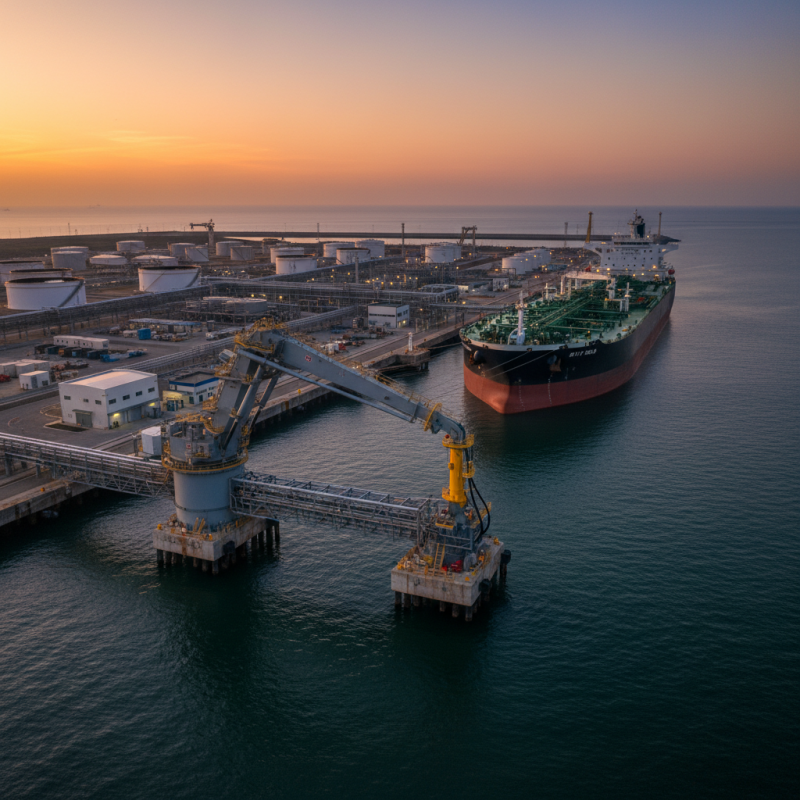
Marine loading arms are essential equipment in port facilities. They facilitate the safe transfer of liquids to and from ships. This process can involve hazardous materials, making reliability crucial. A properly functioning loading arm ensures smooth operations and minimizes risks.
When selecting a marine loading arm, consider its design and capacity. The specifics can vary widely, depending on the types of liquids handled. A loading arm that works for one facility may not suit another. It’s important to analyze your operational requirements thoroughly. Safety features, like emergency shut-off valves, should not be overlooked.
Regular maintenance and inspection play key roles in their effectiveness. Even with the best initial choice, wear and tear can lead to failures. Routine checks can prevent malfunctions, ensuring a safer working environment. Understanding your facility’s unique needs is vital for optimal performance. What works today may not work tomorrow.
Selecting the best marine loading arm for your facility requires careful consideration of several key factors. Safety should always be a top priority. According to a report by the International Marine Organization, accidents during loading operations can increase by over 30% with substandard equipment. This highlights the need for high-quality loading arms that meet safety standards.
Another crucial factor is the compatibility of the loading arm with your specific cargo type. Different liquids and gases may require different materials and designs. A study found that improper selection can lead to leaks and costly downtime. Facilities should assess their cargo carefully before making a choice.
Moreover, operational efficiency plays a significant role in the decision. A properly designed loading arm can reduce loading times by up to 20%, impacting overall productivity. However, many facilities overlook the importance of regular maintenance. Neglecting this can result in performance issues and potential hazards. Investing in the right loading arm is not just about immediate needs but also about long-term reliability and efficiency.
When selecting a marine loading arm, understanding the various types is crucial. There are several kinds used in facilities today. These include articulated arms, telescoping arms, and rigid arms. Articulated loading arms are often used for volatile liquids. They provide flexibility and ease of connection to vessels, especially under varying conditions. Telescoping arms extend and retract, making them ideal for loading from different heights. Rigid arms work well for stable, consistent connections.
According to industry data, articulated arms hold about 60% of the market share in marine loading systems. This reflects their versatility and adaptability. Their design allows for minimal movement during the loading process, reducing the risk of spills. In contrast, telescoping arms can handle products with varying densities, which makes them increasingly popular.
Tips: Always assess the specific needs of your facility. Consider factors like the types of cargo handled and the layout of your loading dock. Regular maintenance is vital for optimal performance. Inspect joints and seals regularly to prevent corrosion and leaks. Remember, investing in the right arm type can save costs in the long run. Misjudgments at this stage often lead to operational inefficiencies. Consider consulting an expert to help navigate these choices.
When selecting marine loading arms, safety and compliance are paramount. According to the International Marine Advisory Committee, around 30% of loading incidents stem from equipment failure or operator error. Ensuring that loading arms comply with industry standards reduces risks significantly. Facilities must consider the arm's design, materials, and emergency features to enhance safety.
Failure to meet compliance standards can result in costly penalties. In fact, the 2021 Safety Practices Report highlighted that non-compliance can lead to fines exceeding $500,000 per incident. Ensuring regular inspections and maintenance of loading arms can help in adhering to these standards. It is essential for facilities to keep records of safety checks and training sessions, as they play a crucial role in risk management.
Perhaps one overlooked area is the training of personnel. Many facilities invest in equipment but not in operator education. A survey revealed that 40% of loading accidents are linked to insufficient training. Organizations should strive to create a balanced focus on both technology and people. Prioritizing thorough training can lead to improved safety and compliance. Emphasizing accountability among operators can also reflect a commitment to safety culture.
When considering marine loading arms, cost analysis plays a critical role. According to industry reports, the initial investment can range between $50,000 to $200,000. This varies widely based on arm length, material, and specific requirements. Facilities often overlook long-term costs, including maintenance and operational efficiency. A study indicates that poor maintenance can increase overall costs by over 30%, leading to significant losses.
Maintenance is essential yet often neglected. Regular inspections can prevent major failures. The industry standard recommends quarterly checks, but many facilities only do them annually. It's crucial to allocate a maintenance budget of about 10% of the arm's total cost per year. This helps mitigate unexpected repairs. Facilities should also consider training personnel. Up to 20% of accidents are due to operator error. By investing in training, you could enhance safety and efficiency.
Understanding these aspects leads to a more informed decision. It’s easy to become focused solely on upfront costs. However, overlooking maintenance needs can result in expensive setbacks. Facilities should evaluate both short-term expenses and long-term implications for optimal performance.
| Parameter | Value | Notes |
|---|---|---|
| Arm Length | 10-40 ft | Length depends on berth design and operational flexibility. |
| Material | Carbon Steel / Stainless Steel | Material choice affects durability and maintenance. |
| Cost | $50,000 - $200,000 | Initial investment varies based on specifications. |
| Annual Maintenance Cost | $5,000 - $15,000 | Regular checks and parts replacement included. |
| Loading Rate | 500 - 2,000 m³/h | Dependent on fluid density and viscosity. |
| Warranty | 1 - 5 years | Duration varies by manufacturer and maintenance. |
| Installation Time | 2 - 4 weeks | Depending on site conditions and configuration. |
: Marine loading arms are devices used to transfer liquids safely between ships and port facilities.
The design impacts its capacity and suitability for different types of liquids.
Regular inspections and maintenance are key to preventing malfunctions and ensuring safety.
The industry standard suggests quarterly checks, but many only perform them annually.
Initial costs range from $50,000 to $200,000, depending on specifications and design.
Neglecting maintenance can increase costs by over 30% and lead to significant operational losses.
Facilities often overlook the importance of a maintenance budget, which should be about 10% of the arm's cost.
Up to 20% of accidents are tied to operator error, highlighting the need for adequate training.
No, understanding changing needs and conditions is vital for ongoing performance and safety.
Ignoring maintenance can lead to expensive setbacks and increased long-term costs.
Choosing the most suitable marine loading arm for your facility involves a thorough understanding of their purpose and operational principles. Marine loading arms are crucial for efficient and safe transfer of liquids between vessels and terminals. When considering how to select the right marine loading arm for your facility, it’s essential to evaluate key factors such as the specific application, the type of fluids being handled, and the space available for installation. Additionally, understanding the different types of marine loading arms and their respective applications can significantly impact your decision.
Safety and compliance standards should also be a priority during selection, as they ensure the safe operation of these systems. Furthermore, conducting a cost analysis, including initial investment and ongoing maintenance considerations, will help in making an informed choice. By carefully evaluating these aspects, you can ensure that the marine loading arm selected will enhance operational efficiency while meeting safety compliance.

Liftora Arm