International standards for marine loading arms play a crucial role in ensuring safety and efficiency in maritime operations. These standards provide guidelines for design, testing, and operation, promoting the seamless transfer of liquids between ships and terminals. However, not all companies understand how to comply with international standards in marine loading arms.
Compliance is essential for minimizing risks and enhancing operational performance. Failure to adhere may lead to accidents or financial losses. Organizations must focus on understanding specific requirements, engaging with industry experts, and investing in proper training. Yet, it can be challenging to keep up with changing regulations and standards. Some companies may hesitate to invest, thinking compliance is too costly.
Addressing these concerns requires a commitment to quality and safety. A proactive approach is needed. There may be gaps in understanding or execution, but recognizing these is the first step towards compliance and excellence. The key lies in developing a culture that prioritizes international standards within the organization. Only then can the benefits of compliance be fully realized, ensuring a safer and more efficient operational environment.
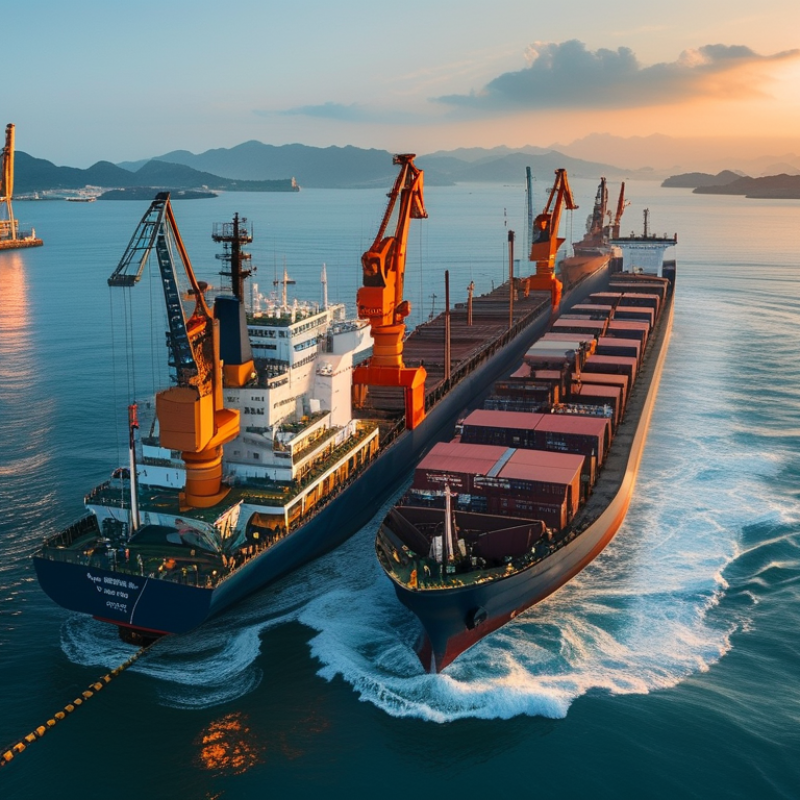
Compliance with international standards for marine loading arms is crucial in today's maritime industry. These standards ensure safety and efficiency in operations. When companies follow these regulations, they enhance their credibility among clients and stakeholders. Adhering to established protocols reduces the risk of accidents. Accidents can lead to severe consequences, both financially and environmentally.
Moreover, compliance fosters trust. Clients prefer to work with companies that prioritize safety and quality. When a firm invests in international standards, it sets a benchmark for competitors. This pursuit of excellence is not just about meeting regulations. It reflects a commitment to operational integrity and environmental responsibility.
However, achieving compliance is not always straightforward. Companies may face challenges in understanding complex regulations. Training staff and updating equipment can be resource-intensive. There is often a temptation to cut corners, but such practices jeopardize safety. Continuous reflection and improvement are essential. Evaluating compliance regularly can uncover gaps and areas for enhancement.
Marine loading arms are essential tools used in the transfer of liquids from shore to sea vessels. They connect storage facilities with vessels, ensuring safe and efficient loading and unloading processes. These structures are typically designed to handle oil, chemicals, and other hazardous materials, highlighting their crucial role in marine operations.
The functionality of a marine loading arm lies in its ability to provide flexible and secure transfers. Their articulation allows for a wide range of movement, adapting to various ship sizes and loading positions. Built with precision engineering, they maintain integrity under pressure. However, their operation requires skilled personnel to prevent mishaps. Training and adherence to safety standards are vital, often overlooked aspects that need reflection.
While marine loading arms are robust, they face challenges. Environmental conditions can impact their reliability. Regular maintenance is crucial, yet sometimes neglected due to budget constraints. This oversight can lead to costly repairs and operational delays. Protecting marine environments should always be a priority when using such equipment. Balancing efficiency with responsibility is an ongoing reflection for the industry.
When discussing marine loading arms, international standards play a crucial role. These guidelines ensure proper functionality, safety, and compatibility across various maritime operations. Knowledge of these standards helps prevent accidents and environmental hazards. The key international standards include the ISO 13739, which covers the design and construction of loading arms. Compliance with this standard minimizes risks during loading and unloading processes.
Tips: Always consult with experts who understand the latest updates in standards. They can provide valuable insights into best practices.
Another vital standard is the API 15.17, which focuses on the operational aspects of loading arms. This standard ensures safe handling and transfer of liquids, protecting both personnel and the environment. Awareness of these guidelines helps reduce potential liabilities and boosts operational efficiency.
Tips: Regular training programs can keep your team informed of the latest standards. Continuous education in safety protocols is essential.
Lastly, consider the IGC Code, which applies to the transport of liquefied gases. It mandates stringent safety measures during loading operations. Adhering to this code not only safeguards equipment but also ensures compliance with regulatory bodies. Understanding these rules can feel overwhelming but is essential for safe marine operations.
| Standard Name | Standard Organization | Description | Year Established |
|---|---|---|---|
| ISO 19923 | International Organization for Standardization | Standard for marine loading arms for transferring liquids. | 2014 |
| API RP 1004 | American Petroleum Institute | Recommended practice for the design and installation of marine loading arms. | 2015 |
| EN 1474-2 | European Committee for Standardization | Standard for design and construction of marine loading arms for liquid fuels. | 2006 |
| ISO 9001 | International Organization for Standardization | Quality management systems - Requirements. | 2015 |
| IMDG Code | International Maritime Organization | International code for the transport of dangerous goods by sea. | 2020 |
Compliance with international standards for marine loading arms brings tangible benefits for safety and efficiency. Safety is paramount in marine operations. When companies adhere to established standards, they significantly reduce the risk of accidents. Proper equipment and protocols can prevent spills and leaks. This not only safeguards the marine environment but also protects workers on-site. Regular training and compliance checks empower employees with the knowledge to handle emergencies effectively.
Efficiency is equally enhanced through compliance. Standardized loading arms lead to smoother operations. They minimize downtime during loading and unloading processes. Quick and safe operations save both time and resources. When the system works seamlessly, companies can focus on scaling operations. A lack of compliance can lead to costly delays and potential fines.
Implementing these standards requires effort and commitment. Not all organizations prioritize compliance, often due to costs or perceived complexity. There is a need for reflection on how easy it can be to overlook these critical aspects. Investing in compliance ultimately pays off by fostering a culture of safety and efficiency.
Compliance with international standards for marine loading arms is essential. However, achieving this compliance presents various challenges. One major issue is the lack of uniformity in regulations across different regions. According to a report by the Global Maritime Forum, over 40% of ports worldwide struggle with inconsistent standards. This inconsistency leads to confusion and increases operational risk.
The technical complexities involved in the design and operation of marine loading arms also pose a significant challenge. Data from the International Maritime Organization indicates that around 25% of accidents during loading operations are linked to equipment non-compliance. Organizations often face difficulties in sourcing materials that meet required specifications. Limited access to certified suppliers can stall projects and inflate costs.
Moreover, lack of training can exacerbate compliance issues. A survey conducted by the Marine Engineering Society found that nearly 35% of marine operators lack adequate training in operating standards. This highlights a critical need for investment in staff education. Firms must prioritize continuous training programs to keep their teams updated. Addressing these challenges requires a comprehensive approach, combining regulatory adherence with practical solutions tailored to specific operational contexts.
: Compliance enhances safety and efficiency in marine operations, reducing risks and fostering credibility among clients.
They transfer liquids between shore facilities and vessels, ensuring safe and efficient loading and unloading processes.
It significantly reduces accident risks, preventing spills that harm the marine environment and protect workers’ safety.
Understanding complex regulations and training staff can be resource-intensive and sometimes companies may be tempted to cut corners.
Yes, they are vital to prevent mishaps and operational delays, yet are often overlooked due to budget constraints.
They minimize downtime, enabling smoother operations that save time and resources during loading and unloading.
Neglect can lead to costly delays and fines, reinforcing the need for companies to prioritize these standards.
Regular evaluation can uncover gaps in compliance and highlight areas needing improvement for better safety and efficiency.
Skilled personnel are crucial to prevent accidents; adequate training ensures effective handling of emergency situations.
Investing in compliance fosters a culture of safety and efficiency, enhancing long-term operational integrity.
Compliance with international standards for marine loading arms is crucial for ensuring safety, efficiency, and operational integrity in the maritime industry. Marine loading arms serve a vital role in the transfer of liquids between vessels and shore facilities, and adhering to established standards enhances their reliability and minimizes risks. Key international standards govern the design, manufacture, and operation of these systems, providing a framework for achieving optimal performance.
However, many companies face challenges in meeting these compliance requirements, including technical complexities and cost implications. To address these challenges, organizations can implement comprehensive training programs, conduct regular inspections, and leverage industry best practices. By focusing on "how to comply with international standards in marine loading arms," businesses can not only enhance safety and efficiency but also foster a culture of quality and accountability within their operations.

Liftora Arm