Corrosion resistance is crucial in ensuring the durability and reliability of loading arms. These components play a vital role in the transfer of liquids and gases in various industries. Without proper corrosion resistance, loading arms are prone to significant wear and tear. This can lead to costly repairs and safety hazards.
Why is corrosion resistance important for loading arms? Corrosion can compromise the structural integrity of loading arms. It can result in leaks, which not only waste resources but also pose environmental risks. The materials used must be able to withstand harsh environments, including exposure to chemicals and extreme weather.
Incorporating corrosion-resistant materials and coatings can enhance the lifespan of loading arms. Regular maintenance checks are essential for identifying signs of wear. However, many operations overlook these routine inspections. It’s important to reflect on these oversights. Seeking expert advice on material selection may greatly benefit operational safety and efficiency.
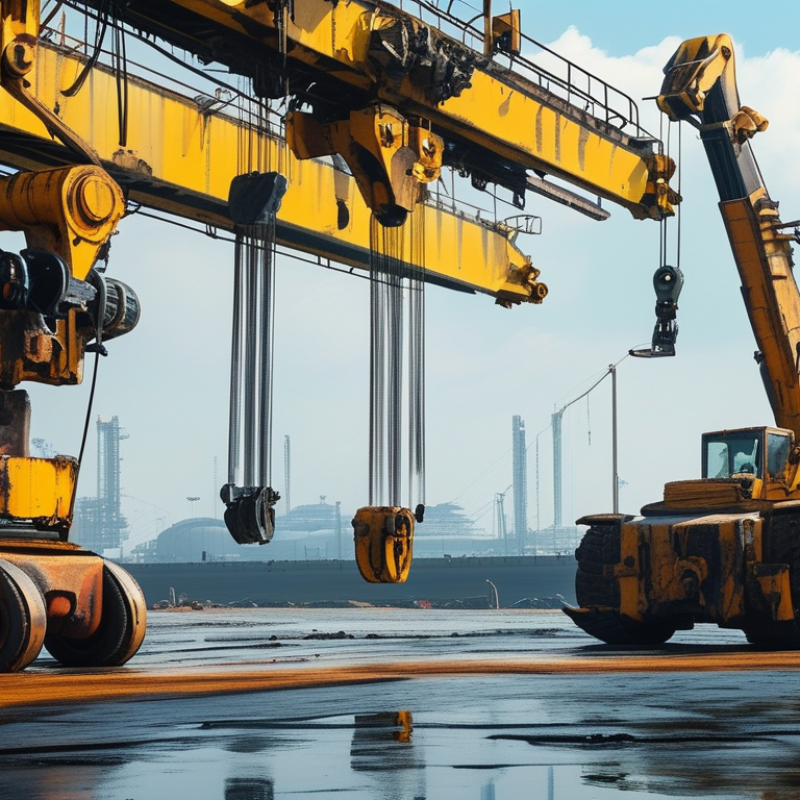
Corrosion resistance is crucial for loading arms in industrial applications. These arms transport various fluids, making them vulnerable to damaging elements. Understanding corrosion is essential for maintaining the longevity and safety of these systems. Each loading arm faces unique challenges based on the environment and the substances they handle.
Materials used in loading arms should be chosen carefully. Stainless steel is often favored due to its natural resistance. However, not all stainless steels are equal. Certain grades perform better in saline or acidic environments. Regular inspections can reveal hidden corrosion signs. Often, end-users overlook small rust patches until they grow into significant issues. Clear maintenance protocols help counteract these risks.
Coatings also play an important role in enhancing corrosion resistance. Epoxy and polyurethane coatings can provide additional protection. However, coatings may deteriorate due to mechanical wear or chemical exposure. It's important to reassess their condition regularly, especially following extreme weather events. Building a proactive care routine ensures these loading arms serve their intended purpose effectively.
This chart illustrates the corrosion resistance ratings of various materials commonly used in loading arms, showcasing their performance under different environmental conditions.
When selecting materials for loading arms, corrosion resistance is critical. The right choice can prolong service life and reduce costs. Common materials include stainless steel, aluminum, and specialty alloys. Each option has its strengths and weaknesses. Stainless steel resists rust well in moist environments but may not fare as well in acidic or saline conditions.
Aluminum is lightweight and resistant to many chemicals, yet it can succumb to galvanic corrosion. Specialty alloys, like duplex stainless steels, offer excellent durability but may be cost-prohibitive. Understanding the operational environment is essential. Load calculations, fluid types, and temperature variations impact material performance.
Regular inspections are necessary to monitor wear and tear. Corrosion can be insidious, often going unnoticed until significant damage occurs. While selecting materials with inherent corrosion resistance is vital, continuous evaluation and proactive maintenance help mitigate risks. Investing in robust materials is only part of the solution; vigilance is key.
Ensuring loading arms have corrosion resistance is vital in industries like oil and gas. Coatings and treatments greatly influence the longevity of these vital components. According to a report by the National Association of Corrosion Engineers (NACE), corrosion costs the U.S. economy over $276 billion annually. This statistic underscores the importance of effective protective measures.
Various coatings are available, like epoxy and polyurethane. Epoxy coatings provide strong adhesion and resist harsh environments. Polyurethane offers flexibility and excellent abrasion resistance. A study by the Bureau of Ocean Energy Management showed that properly coated assets lasted up to three times longer than those without protective coatings. However, not all coatings are perfect. They can deteriorate over time due to UV exposure, chemicals, or mechanical wear.
Regular inspections and maintenance are crucial. Some treatments require reapplication every few years, depending on environmental factors. A report from ASTM International highlights that even minor surface imperfections can lead to severe corrosion if left unaddressed. Investing in advanced coatings and routine checks can offset long-term failures and costly repairs. Balancing initial costs against the benefits of preventive measures is a challenge many companies face.
| Coating/Treatment Type | Corrosion Resistance Rating | Durability (Years) | Maintenance Frequency (Months) | Application Method |
|---|---|---|---|---|
| Epoxy Coating | Excellent | 10 | 24 | Spray |
| Polyurethane Coating | Very Good | 7 | 12 | Roller/Roller |
| Zinc-Rich Primer | Good | 5 | 18 | Dip/Brush |
| Cladding (Stainless Steel) | Excellent | 15 | 36 | Welded |
| Galvanizing | Good | 10 | 30 | Hot-dip |
Corrosion can severely impact loading arms, leading to unsafe conditions and costly repairs. Regular maintenance is crucial in preventing this issue. Inspections should be scheduled frequently, ideally every month. Look for visible signs of corrosion, such as rust or flaking paint. Early detection can save time and money in the long run.
Emphasizing proper cleaning techniques is essential. Use non-abrasive materials to avoid damaging the surface. Keeping loading arms clean prevents buildup that leads to corrosion. Always follow up with a protective coating if necessary. It provides an extra layer against environmental factors.
Tips: Consider implementing a checklist for your maintenance routine. This ensures that nothing is overlooked. Don't forget to train staff on corrosion prevention techniques. Awareness is key in maintaining equipment integrity. Inconsistent maintenance can lead to bigger problems later, so reflect on your processes frequently.
Corrosion resistance in loading arms is crucial for safe and efficient operations. Regular monitoring and testing can help ensure these components meet necessary standards. Visual inspections should be conducted frequently. Look for signs of rust or coating wear. These initial checks can pinpoint potential failures early.
In addition to visual inspections, more sophisticated testing methods can enhance reliability. Techniques like ultrasonic testing or electrolytic measurements detect subsurface corrosion. Such methods can reveal issues that aren't visible. Periodic laboratory analysis of metal samples can also provide invaluable data. This helps assess the overall health of the loading arms.
Despite these strategies, challenges remain. Operators may overlook smaller corrosion indicators. It’s essential to foster a culture of vigilance. Training personnel on corrosion signs is vital. Awareness can transform a reactive approach into a proactive one. Detecting corrosion early prevents costly downtime and dangerous incidents. Regular training sessions can help keep the team informed.
: Corrosion resistance is essential for loading arms as they transport fluids, making them vulnerable to damage.
Stainless steel is commonly used due to its resistance, but some grades perform better in specific environments.
Regular inspections can catch early signs of rust, helping to maintain the integrity of loading arms.
Coatings like epoxy and polyurethane enhance protection but can degrade over time due to wear or chemicals.
It's essential to regularly check coatings, especially after extreme weather, to ensure they remain effective.
Advanced methods like ultrasonic testing can detect subsurface issues that visual checks might miss.
Training personnel on corrosion signs can change reactions into proactive measures, minimizing costly failures.
Small corrosion indicators may be overlooked, emphasizing the need for a vigilant approach and regular training.
Visual inspections should happen routinely to identify signs of rust or coating wear early.
Corrosion costs significant amounts each year, making effective protective measures crucial in various industries.
Corrosion resistance is crucial for loading arms due to their exposure to harsh environmental conditions and aggressive substances during transport. Understanding corrosion resistance in loading arms begins with material selection, which is critical to ensure durability and longevity. Choosing metals and alloys that inherently resist corrosion can significantly enhance the arms' lifespan and reduce maintenance costs.
Additionally, applying protective coatings and treatments can further bolster resistance against corrosion, ensuring that the loading arms operate effectively over time. Regular maintenance practices, such as inspections and timely repairs, are essential for preemptively addressing potential corrosion issues. Finally, implementing monitoring and testing protocols enables stakeholders to assess the integrity of loading arms, ensuring safety and efficiency in operations. By focusing on these key areas, organizations can effectively answer the question, "Why is corrosion resistance important for loading arms?" and ultimately maintain robust and reliable loading systems.
Liftora Arm