Truck loading arms play a crucial role in the logistics and transportation sector. However, they can face various challenges that disrupt operations. Understanding how to troubleshoot common issues in truck loading arms can save time and prevent costly delays. According to industry expert John Weatherby, "Regular maintenance and timely troubleshooting can prevent larger issues from arising."
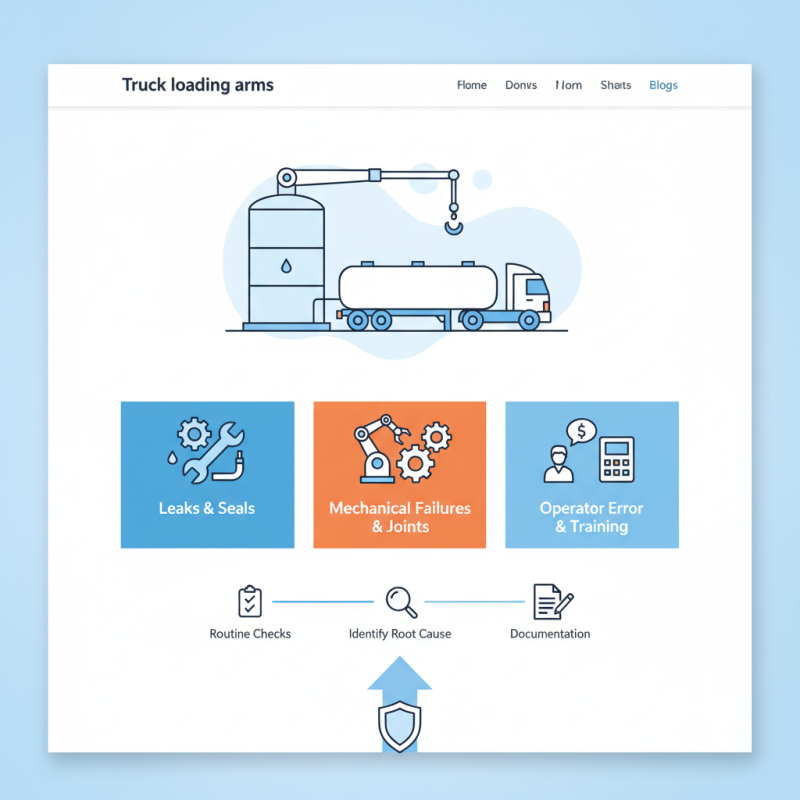
When dealing with truck loading arms, identifying the root cause of the problem is essential. Issues can stem from leaks, mechanical failures, or operator errors. Each of these requires a different approach for effective troubleshooting. For instance, leaks often indicate worn seals or damaged hoses, while mechanical issues may require inspection of the arm's joints and pivots.
Being proactive is key. Routine checks can help maintain performance and improve safety. Sometimes minor adjustments can resolve significant issues. It’s important to document any recurring problems to identify patterns. This can aid in training operators and improving overall efficiency. Understanding how to troubleshoot common issues in truck loading arms is not just about fixing problems; it's about preventing them in the future.
Understanding the Basics of Truck Loading Arms Operation
Truck loading arms play a crucial role in safely transferring liquids and gases between tanker trucks and storage tanks. Understanding their operation is essential for ensuring efficiency and safety. These loading arms consist of flexible connections that allow for movement and twist, which help prevent spills and leaks during the loading process. Properly designed loading arms can accommodate various angles and positions, making them versatile in different loading scenarios.
Regular maintenance is vital for the smooth operation of truck loading arms. Inspecting seals, joints, and connections helps identify wear and tear early. Many companies overlook minor issues, which can escalate into major problems. For instance, a small leak may seem insignificant initially but can lead to safety hazards and product loss. Operators should be trained to recognize unusual sounds or movement when the loading arm is in use, as these can signal underlying issues.
Effective troubleshooting begins with a solid understanding of the operational mechanics. Awareness of common issues, such as improper alignment or hydraulic failures, is crucial. Operators need to familiarize themselves with safety protocols and the loading arm's components. This knowledge enables them to react quickly to problems. They should also document any irregularities encountered during operations, ensuring a systematic approach to ongoing maintenance and improvement. Regular training sessions can be beneficial in fostering a culture of safety and vigilance within the team.
Common Problems Encountered with Truck Loading Arms
Truck loading arms are essential for safe and efficient transfer of liquids. However, operators often face common issues, potentially impacting productivity. Many facilities report that around 25% of loading arm failures are due to inadequate maintenance. Regular checks can prevent costly downtimes and enhance safety protocols.
Leaking seals are a frequent problem. Damaged or worn seals can lead to spills, posing safety hazards. According to industry studies, leaks can increase operational costs by 15%. Ensure seals are inspected regularly and replaced when necessary. This simple maintenance can mitigate risks and ensure compliance with safety standards.
Before loading, recalibrating control systems is critical. Improperly calibrated systems can lead to overfilling or premature disconnection. Experts recommend routinely testing these controls to ensure they function correctly, minimizing the risk of accidents.
Tips: Always keep a maintenance log for loading arms. Schedule inspections after every 500 operations. If issues persist, consider third-party assessments to identify hidden problems. Stay proactive; proactive teams save on future costs.
Step-by-Step Troubleshooting Techniques for Loading Arms
When troubleshooting loading arms, methodical techniques are crucial. Understanding the common issues can help avoid costly delays. According to a 2022 industry report, around 25% of loading arm failures stem from improper sealing. Small leaks can lead to significant product loss and environmental concerns.
Inspecting seals regularly is vital. Use a flashlight to check for wear and damage. Cracks may not be visible at first glance. Next, examine the pivot points and joints for excessive wear. Industry studies highlight that approximately 30% of arm malfunctions arise from mechanical failures. These issues often go unnoticed until they escalate.
Cleaning is a critical yet often overlooked step. Residue can hinder functionality. A simple wipe-down may improve performance. Observing these processes helps in early detection. Remember, neglecting minor details can lead to major setbacks. Keeping a maintenance log can be beneficial. It creates a record of issues identified and resolved, ensuring a more reliable operation.
Preventive Maintenance Tips for Truck Loading Arms
Preventive maintenance is vital for the optimal functioning of truck loading arms. Regular inspections can prevent costly breakdowns and enhance safety. According to the American Petroleum Institute, neglected maintenance can lead to a 30% increase in equipment failure. Ensuring that seals, joints, and connections are tight will help avoid leaks and spills. Visual inspections are key here; a simple check can reveal signs of wear.
Another critical aspect is lubrication. Bearings and pivot points require proper lubrication to function smoothly. A study by the Society of Tribologists and Lubrication Engineers indicates that well-lubricated components can last up to 50% longer. Operators should use appropriate lubricants and follow a strict schedule. Adequate training for staff on maintenance protocols is also essential. Frequent reminders about the importance of upkeep can cultivate a culture of responsibility.
Consider setting up a maintenance log. Documenting inspections and repairs provides accountability. The International Tank Storage Association reports that companies with detailed logs experience fewer operational disruptions. Addressing issues promptly can prevent small problems from evolving into larger, more expensive repairs. Missing scheduled maintenance can be a serious oversight and should be avoided at all costs. Regular, proactive measures will keep loading arms reliable and efficient.
How to Fix Common Issues in Truck Loading Arms Troubleshooting? - Preventive Maintenance Tips for Truck Loading Arms
| Issue |
Symptoms |
Possible Causes |
Preventive Maintenance Tips |
| Leaking Connections |
Fluid accumulation near joints |
Worn seals, loose fittings |
Regularly inspect seals and connections; replace worn components. |
| Inconsistent Flow Rate |
Variable fluid delivery |
Blocked filters, pump issues |
Check filters and clean regularly; ensure pump is functioning properly. |
| Improper Alignment |
Excessive wear on joints |
Incorrect installation |
Ensure proper installation and periodic realignment. |
| Noise During Operation |
Unusual sounds from the arm |
Lack of lubrication, worn parts |
Lubricate moving parts regularly; replace worn components. |
| Control System Malfunction |
Erratic movement or failure to operate |
Electrical issues, faulty components |
Perform regular electrical inspections; replace faulty components immediately. |
When to Seek Professional Help for Loading Arm Issues
When dealing with loading arm issues, recognizing when to seek professional help is crucial. Often, minor problems can be addressed with standard troubleshooting. However, certain signs indicate a deeper problem that requires a technician's expertise. For instance, persistent leaks, unusual noises, or irregular movement can signal significant underlying issues. Ignoring these signs may lead to safety hazards or costly repairs.
Professional help is especially important if you notice inconsistent performance. If the loading arm fails to secure properly, it's time to consult an expert. This could mean inspecting seals, hydraulic components, or even the control system. Proper diagnostics are essential to avoid further complications. Sometimes, the problem may extend beyond basic fixes, requiring specialized knowledge and tools.
Don't overlook the potential risks in attempting complex repairs without proper training. A poorly executed repair might worsen the original issue. Additionally, professionals are equipped with the right tools and experience to ensure safety and reliability. If in doubt, consulting a qualified technician can save time and money in the long run. Prioritize safety and efficiency by choosing to seek expert guidance when necessary.
FAQS
: Truck loading arms transfer liquids and gases between tanker trucks and storage tanks safely.
Regular maintenance prevents minor issues from becoming major problems. Inspections help identify wear and tear early.
Signs include persistent leaks, unusual noises, and irregular movement during operation. These need immediate attention.
Using a flashlight helps inspect seals, joints, and connections for wear, cracks, or damage.
Seek expert help if problems persist after troubleshooting, as complex issues may require specialized knowledge.
Cleaning removes residue that can hinder performance. A simple wipe can improve functionality significantly.
Neglecting small details can lead to significant setbacks, such as safety hazards and costly delays.
Regular training fosters a culture of safety and helps operators recognize issues quickly, ensuring efficient operations.
Documenting irregularities helps create a maintenance log, which ensures systematic tracking of issues resolved.
Poorly executed repairs can worsen issues, leading to safety risks and more complex problems down the line.
Conclusion
This article provides a comprehensive guide on how to troubleshoot common issues in truck loading arms, starting with an overview of their operation. Understanding the basic functioning of truck loading arms is essential for identifying typical problems such as leaks, misalignments, and operational inefficiencies. The article details step-by-step troubleshooting techniques, allowing users to systematically address these issues.
Furthermore, it emphasizes the importance of preventive maintenance to prolong the life of loading arms and minimize operational downtimes. Regular inspections and timely interventions can significantly reduce the likelihood of common malfunctions. Lastly, the article highlights situations in which seeking professional help is advisable, ensuring that truck loading systems operate safely and effectively for optimal performance.

 Liftora Arm