Fuel transfer becomes less predictable when heat or cold changes the behavior of the product and equipment. A sun-warmed tank, a chilled hose, and a stiff seal can create very different operating conditions. Small shifts matter. High temperatures can increase vapor formation and thermal expansion, while cold fuel may become more viscous and harder to move. The exact effects depend on fuel type, equipment design, and exposure time.
The World Meteorological Organization’s State of the Global Climate 2024 reported that 2024 was about 1.55°C warmer than the 1850–1900 average. That global figure is not a fuel-handling threshold, but it highlights why temperature extremes deserve practical attention. For measurement, ASTM D1250 and API MPMS Chapter 11.1 provide petroleum volume-correction methods that account for temperature. They are useful references, not substitutes for equipment limits or site procedures.
So, How to handle extreme temperatures in fuel transfer? Start with the fuel’s specifications, transfer-system ratings, and the manufacturer’s instructions. Check product and ambient temperatures, inspect hoses and seals, and watch for leaks, abnormal pressure, or sluggish flow. Cold is not harmless. Nor is heat. A plan that works for one fuel may fail for another; that distinction is easy to overlook. This introduction sets the scope for a temperature-aware approach, while leaving operating limits to qualified personnel and documented procedures.
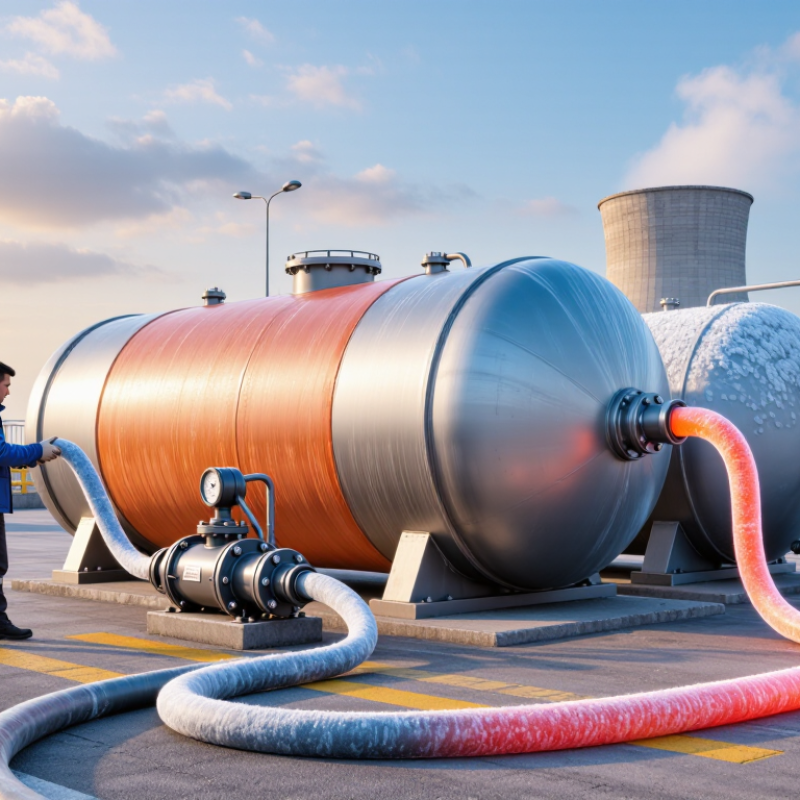
Heat and cold can change both equipment performance and worker safety during fuel transfer. In hot weather, fuel may expand, and vapor pressure can rise. Sun-warmed hoses and metal fittings can also burn skin. Heat stress may cause dizziness or poor decisions, especially beside a running pump. Cold weather can stiffen hoses, weaken seals, and make gloves less effective. Ice or condensation around the transfer point creates a quiet slip hazard. Static remains a concern in every season.
Tips: Check hose and seal condition before transfer, and use equipment rated for the expected temperature. Keep connections secure, follow site procedures for bonding and grounding, and wear task-appropriate protective gear. Take water and rest breaks in heat. In cold conditions, inspect flexible lines for stiffness or cracking before use. Stop if a connection leaks or equipment behaves unusually.
Use the product’s safety information and your site’s procedures; there is no single safe temperature range for every setup. Watch for changing weather, not just the forecast at shift start. A small leak can be harder to spot in poor light or around ice. I’ve seen routine checks rushed when crews feel behind. That is exactly when a second look matters.
Fuel behavior changes with temperature. In cold conditions, viscosity can rise, slowing flow and increasing pump load. Some fuels may also approach cloud or pour points. Heat can increase vapor formation and reduce the margin to a fuel’s flash point. Check current product data and safety documentation rather than relying on a familiar season’s performance. Cold changes everything. Record temperatures at the source, along the transfer line, and at the receiving point; one reading may hide a colder section. A chart helps, but real systems are less tidy than charts suggest.
Compare the fuel’s operating range with the limits of every component it contacts. Check pump, hose, seal, filter, meter, and instrument temperature ratings. A hose may tolerate the fuel while its seals do not. Thermal shock can also stress equipment when temperature changes are abrupt. Use only heating, cooling, insulation, or heat tracing methods approved for the equipment and fuel. Watch for leaks, unusual vibration, pressure changes, and slow flow. Stop and reassess if readings drift beyond the documented range.
Tips: Keep product data and equipment manuals available at the transfer point. Verify sensor accuracy, inspect hoses and seals before use, and log inlet and outlet temperatures. If the limits are unclear, pause and confirm them with a qualified technician. Small details matter.
Extreme temperatures expose weak points between the tank and the nozzle. Keep storage tanks shaded in heat and insulated where freezing is likely; check for water, sediment, and condensation before transfer. A tank reading alone can mislead. The hose may be colder than the fuel. NREL’s Biodiesel Handling and Use Guide (Fifth Edition) reports that biodiesel cloud point commonly falls around 32–50°F, depending on feedstock. That range makes blend choice and cold-weather storage worth checking before a transfer.
Inspect hoses for stiffness, cracks, bulges, and damaged couplings. Cold can make some hose materials less flexible, while heat can accelerate wear. Confirm the hose and seals suit the fuel and expected temperature. For pumps, follow the manufacturer’s temperature and viscosity limits, and watch for slow flow, unusual noise, or leaks. Stop if performance changes. Small checks matter.
At connections, use compatible gaskets, clean threads, and secure couplings without forcing them. Check for drips before starting, then monitor the joint during transfer. API MPMS 11.1 and ASTM D1250 use 60°F as the reference temperature for petroleum-volume correction. Temperature affects measured volume, so record fuel temperature when accurate inventory matters. It is easy to over-trust one thermometer; a second reading near the pump can reveal a colder pocket.
How to Handle Extreme Temperatures in Fuel Transfer 2026?
Temperature changes can alter fuel viscosity, flow rate, and measured volume. In cold weather, a sluggish product may strain pumps and restrict filters. The National Renewable Energy Laboratory’s 2016 Biodiesel Handling and Use Guide reports that biodiesel cloud points can range from about -3°C to 15°C, depending on its composition. That spread makes local fuel testing more useful than relying on a calendar or regional average.
Check product temperature at the tank and transfer point, not just the outdoor reading. Record flow rate and pump pressure during the first minutes; unexpected changes can reveal a restriction or unsuitable operating condition. Keep hoses insulated where appropriate, and use only heating methods approved for the fuel and equipment.
In hot conditions, avoid unnecessary recirculation and allow for thermal expansion in storage and measurement procedures. API MPMS Chapter 11.1 provides temperature correction methods for petroleum volume measurement, so document the reference temperature used.
Small changes matter.
Follow the product’s safety data sheet and equipment limits, then adjust transfer settings gradually. One weakness in many procedures is assuming the tank temperature represents the whole line. It may not.
During fuel transfer, temperature is an operating signal, not a background number. Record product and ambient readings at defined intervals, and compare them with site limits and product guidance. Use calibrated instruments, check that sensors are positioned correctly, and note unusual changes in flow or pressure. A single reading may be misleading. Look for trends.
Heat can affect equipment and product behavior; cold can make some fuels harder to move. Watch for unexpected temperature swings, leaking connections, unusual odors, or alarms. A missed reading can happen during a busy shift. That is exactly when a clear checklist matters. Small changes matter.
If readings cross established limits, or conditions seem unsafe, follow the site emergency procedure. Stop transfer using the approved shutdown process, alert the responsible supervisor, and keep people clear of the affected area. Do not open lines or restart equipment to investigate. Record the time, readings, and actions taken, then wait for qualified personnel to assess the system. Pause. Verify. Escalate. Afterward, review what caused the alarm; sometimes the record is incomplete, and that gap deserves attention.
Cold fuel can become more viscous, slowing flow and increasing pump strain. Heat can increase vapor formation. Small changes matter.
Measure near the source, along the transfer line, and at the receiving point. A tank reading may miss a colder hose section.
Check ratings for pumps, hoses, seals, filters, meters, and instruments. A hose may tolerate the fuel while its seals do not.
Test the local fuel and monitor flow and pump pressure during startup. Some biodiesel cloud points vary from about -3°C to 15°C. A calendar is not enough.
Avoid unnecessary recirculation and account for thermal expansion in storage and measurement procedures. Use only approved temperature-control methods.
Watch for slow flow, pressure changes, leaks, unusual vibration, odors, or alarms. One reading can mislead.
Stop transfer using the approved shutdown process. Alert the responsible supervisor, keep people clear, and wait for qualified personnel. Do not reopen lines to investigate.
Log temperatures, flow, pressure, times, and actions taken. Check sensor calibration and placement. Our records may still have gaps; review them honestly.
How to handle extreme temperatures in fuel transfer? Begin by identifying heat- and cold-related hazards, including changes in fuel behavior and risks to people, equipment, and transfer areas. Check the fuel’s temperature-sensitive properties alongside the operating limits of tanks, hoses, pumps, seals, and connections. Prepare equipment for expected conditions by inspecting it, protecting it from temperature extremes where appropriate, and confirming that components are suitable for the planned transfer.
During transfer, use controlled operating conditions and avoid abrupt changes that could strain equipment or affect fuel flow. Monitor temperatures, pressure, connections, and equipment performance throughout the operation, with clear procedures for pausing work when conditions move outside safe limits. If a temperature-related emergency occurs, stop the transfer when safe to do so, isolate the affected area, and follow established response procedures. Careful preparation and continuous monitoring help reduce hazards and support a more reliable transfer in both very hot and very cold conditions.

Liftora Arm