Maintaining marine chemical loading systems is critical for safety and efficiency in maritime operations. Industry reports indicate that 70% of marine accidents are linked to equipment failure. These systems, which manage the transfer of chemicals, require stringent maintenance protocols. Expert Mark Johnson, a marine engineer at OceanTech, states, "Proper maintenance can reduce operational risks significantly." This reflects the importance of understanding how to maintain marine chemical loading systems effectively.
Regular checks and servicing can prevent unwanted leaks and spills. Such incidents could have catastrophic environmental impacts and result in substantial financial penalties. Marine loading systems are complex, and maintaining them requires specialized knowledge and skills. It is not just about routine inspections; it’s about ensuring all components function seamlessly.
Training personnel is vital. Hands-on experience and periodic assessments are necessary for effective system upkeep. Understanding how to maintain marine chemical loading systems helps ensure compliance with regulations and enhances operational integrity. Yet challenges remain, particularly with aging infrastructures and evolving regulations that demand constant adaptation. This necessitates ongoing dialogue within the industry to refine maintenance strategies.
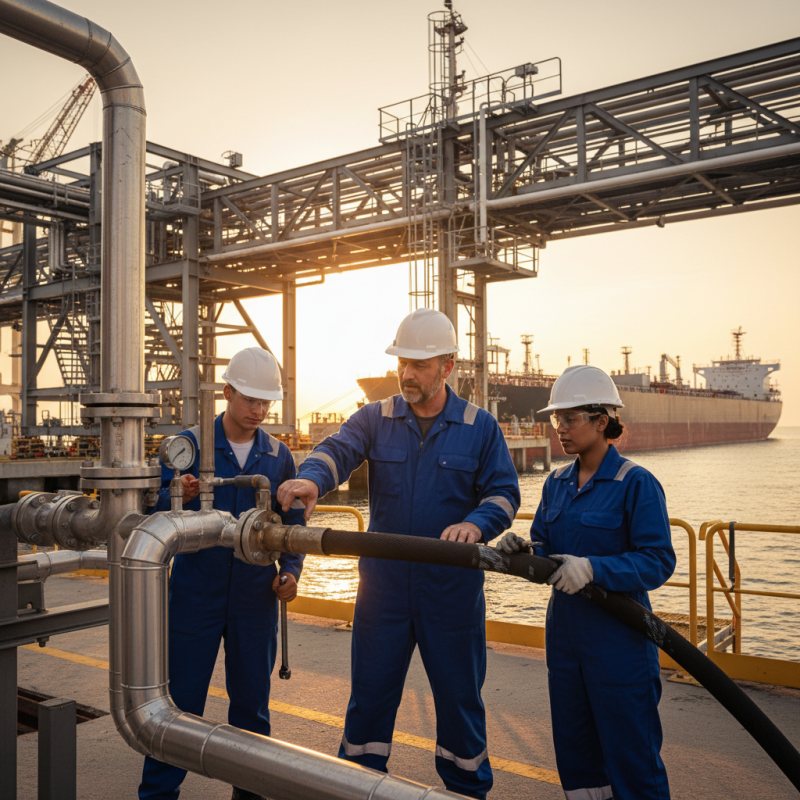
Importance of Marine Chemical Loading Systems in Maritime Operations
Marine chemical loading systems play a critical role in maritime operations. These systems ensure the safe transfer of chemicals, enhancing efficiency and safety throughout the shipping process. According to the World Maritime University, improper handling of marine chemicals can lead to significant environmental damage and financial losses, which can reach millions of dollars.
Operators must focus on maintenance to prevent accidents. Regular inspections can minimize the risk of leaks and spills. In fact, a report from the International Maritime Organization states that effective maintenance reduces operational disruption by up to 30%. Investing in training for staff can further enhance safety measures, improving both compliance and performance in loading operations.
Tips: Always keep your equipment clean. Regular audits help identify weak points in the system. Encourage staff to report any irregularities. Engaging frontline workers fosters a culture of safety and reliability, ensuring that everyone is accountable for maintaining high standards in chemical loading practices. Recognizing the human aspect of operations is crucial for continuous improvement.
Importance of Marine Chemical Loading Systems in Maritime Operations
Key Functions of Marine Chemical Loading Systems in Vessel Safety
Marine chemical loading systems play a critical role in vessel safety. These systems manage the transfer of essential chemicals, ensuring proper handling and minimizing risks. They include features for monitoring and controlling the flow of substances during loading and unloading. An efficient system reduces the likelihood of spills and accidents.
Regular maintenance is vital for these systems. Without it, equipment can fail, leading to dangerous situations at sea. Components may corrode or malfunction over time. This risk is heightened in harsh marine environments. Crews must be vigilant in inspecting equipment regularly.
Training personnel is just as important as the equipment itself. Experienced operators make informed decisions in emergency situations. They can identify potential hazards and take proactive steps. Yet, it is common for training to lack emphasis on real-life scenarios. Continuous improvement in training programs is necessary. Engaging with past incidents can help develop a better understanding of risks.
Impact of Marine Chemical Loading on Environmental Protection Standards
The impact of marine chemical loading on environmental protection standards cannot be overstated. As shipping and industrial activities increase, the risk of chemical spills rises. These spills can lead to significant ecological damage. Contaminated waters disrupt local ecosystems and harm marine life. This destruction can take years to reverse, sometimes never fully healing.
Marine chemical loading systems must adhere to strict environmental protection standards. These standards help mitigate risks associated with toxic substances. Regular maintenance of these systems is crucial. It ensures that they function correctly, reducing the likelihood of spills. Inadequate systems lead to increased pollution and damage to marine habitats. Companies face penalties, but environmental consequences are often overlooked.
Communities along coastlines suffer the most. Contaminated waters impact fishing industries and local economies. The health of residents can also be at risk. Educating workers about the importance of these systems is essential. Training programs can enhance awareness and encourage responsible practices. Not everyone prioritizes safety; a cultural shift is needed. The road ahead must focus on sustainable solutions, constant vigilance, and adaptation to new challenges.
Challenges in Maintaining Marine Chemical Loading Systems
Marine chemical loading systems play a pivotal role in various maritime operations. However, they face numerous challenges that demand attention. One major issue is equipment corrosion. Saltwater environments accelerate wear and tear, leading to failures. Regular inspections are essential to identify degraded components before they impact operations.
Another significant challenge is contamination. Accidental spills or leaks can lead to hazardous material exposure. This not only poses environmental risks but also legal consequences. Accurate monitoring and preventive measures are crucial for minimizing such events. Training personnel on safety protocols is vital, yet often overlooked. Human error can compromise even the best systems.
A frequent oversight is the lack of standardized procedures during loading and unloading. Variability can introduce inefficiencies and risks. Documenting and refining protocols is necessary to enhance reliability. Balancing safety and efficiency can be complex. Continuous evaluation of practices helps identify areas for improvement. Each challenge faced in maintaining marine chemical loading systems offers learning opportunities for better safety and efficiency.
Future Innovations in Marine Chemical Loading Technologies and Practices
Innovations in marine chemical loading technologies are vital for safer and more efficient operations. As maritime industries face environmental scrutiny, new practices emerge. Modern systems focus on automation and real-time monitoring. These advancements ensure that chemical transfers are precise and minimize risks.
Robotic loading arms are gaining attention. They enhance safety by reducing human error during transfers. Advanced sensors provide instant feedback on pressure and flow rates. This data helps in making adjustments instantly. However, these technologies are still evolving and need rigorous testing. Cybersecurity has emerged as a concern. Protecting systems from potential vulnerabilities is crucial.
Training personnel in these new technologies is essential. Knowledge gaps can lead to problems during implementation. Companies must prioritize ongoing education. A strong foundation in these innovations will improve overall operations. Industry leaders must also collaborate on best practices to maximize safety and efficiency.
FAQS
: They manage the transfer of chemicals, ensuring safe handling and minimizing risks.
Without maintenance, equipment can fail, leading to dangerous situations.
Equipment corrosion and contamination are major challenges that require attention.
Human error can compromise even the best systems and lead to accidents.
Trained personnel can identify hazards and make informed decisions during emergencies.
Variability in procedures can create inefficiencies and increase risks during operations.
Modern systems focus on automation, real-time monitoring, and robotic loading arms.
Cybersecurity vulnerabilities need to be addressed as systems evolve.
It is crucial for implementing new technologies and closing knowledge gaps.
Each challenge offers learning opportunities for improving safety and efficiency.
Conclusion
Maintaining marine chemical loading systems is crucial for ensuring maritime operations run smoothly and safely. These systems play a key role in vessel safety by facilitating the correct loading and unloading of hazardous chemicals, thereby protecting both crew members and the environment. The impact of these systems extends beyond immediate safety; they also help uphold environmental protection standards, preventing potential spills and contamination in marine ecosystems.
However, maintaining marine chemical loading systems presents various challenges, including regular inspections, adherence to safety protocols, and the need for ongoing training. To address these issues, companies must explore future innovations in marine chemical loading technologies, which could enhance efficiency and safety. In this context, it's essential to ask, "How to maintain marine chemical loading systems?" through adopting best practices and investing in advanced technologies to ensure longevity and compliance with environmental regulations.

 Liftora Arm