Mobile loading arms are revolutionizing logistics by providing unparalleled flexibility. Businesses often face challenges in adapting to changing demands. Mobile loading arms address these issues effectively. They are designed to handle various materials and accommodate different transportation modes.
Why do mobile loading arms offer flexibility in logistics? Their adjustable design allows them to connect with various container types easily. This adaptability reduces downtime and enhances operational efficiency. In crowded or confined spaces, these arms can extend and retract as needed. This feature enables smoother operations in busy environments.
The implementation of mobile loading arms also encourages safety. They reduce manual handling, minimizing the risk of accidents. However, companies need to evaluate the initial investment against these benefits. The proper usage and maintenance of mobile loading arms require training. Ensuring all employees are competent can be challenging but essential for maximizing their advantages. Overall, mobile loading arms represent a forward-thinking solution for modern logistics needs.
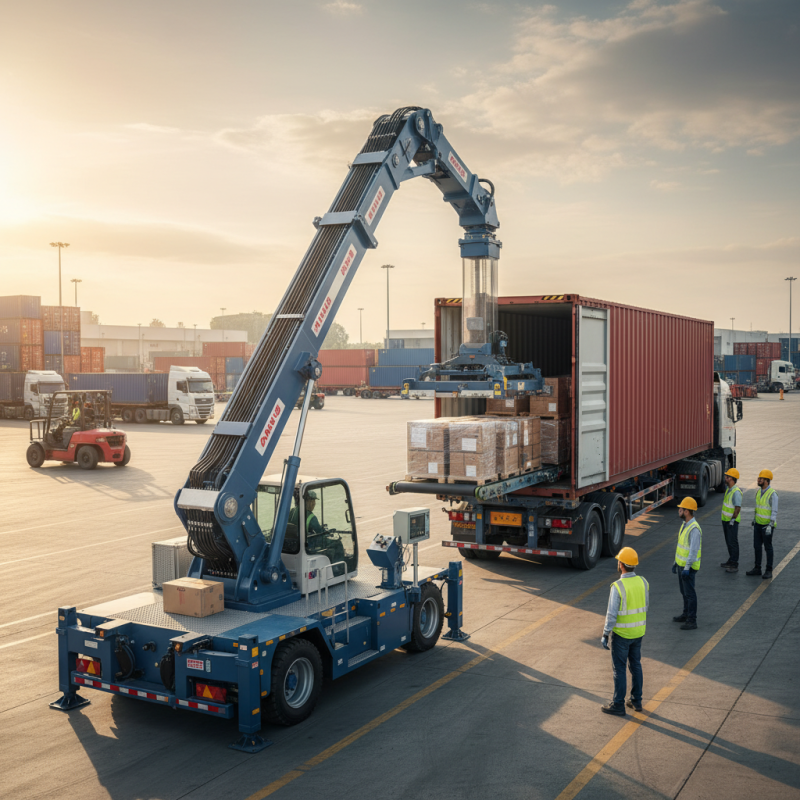
Mobile loading arms are essential for efficient logistics. They connect transport vessels to storage tanks, enabling safe and flexible transfer of liquids. The design allows for movement and positioning, which is crucial in tight or specialized spaces. Operators find them valuable for loading and unloading materials with ease.
These arms are engineered for various liquids, including chemicals and fuels. They come with safety features to prevent spills and leaks. Operators must consider the weight and size to ensure proper utilization. The mobility of these arms enhances productivity, but they require regular maintenance.
Adopting mobile loading arms can transform operations. However, companies must evaluate their specific needs. It's vital to provide adequate training for staff. This ensures maximum efficiency and safety. Investing in mobile loading arms reflects a commitment to modern logistics solutions. They offer flexibility but come with challenges that require constant attention.
Mobile loading arms play a vital role in optimizing logistics operations. They allow for efficient and flexible handling of liquids and gases. This adaptability leads to reduced loading times and enhances productivity. Their ability to extend and retract makes them suitable for various container types. Businesses can easily shift loading points based on their needs.
One key benefit is improved safety. Mobile loading arms reduce the risk of spills and leaks. This minimizes hazards for operators and the environment. Moreover, they can be equipped with safety features that help prevent accidents. Regular training and maintenance ensure that these systems operate smoothly.
However, not every company may realize the full potential of mobile loading arms. Some might underestimate the initial investment costs. Others may struggle with employee training or maintenance routines. Reflecting on these challenges can help logistics teams streamline operations better. Embracing such advanced equipment can ultimately lead to significant long-term savings.
Mobile loading arms play a crucial role in efficient logistics across various industries. They are designed to handle the transfer of liquids and gases safely and flexibly. Applications can vary significantly, depending on the industry needs. For instance, in the petroleum sector, mobile loading arms facilitate the quick loading and unloading of tankers. This speeds up operations while ensuring safety and compliance.
In the chemical industry, these loading arms are vital for transferring hazardous materials. Special designs minimize the risk of spills or leaks. In the food and beverage sector, mobile loading arms enable the efficient transfer of ingredients. They must meet strict hygiene standards to maintain product safety and quality. Each industry's requirements shape the specifications for mobile loading arms, adding complexity to their design.
The flexibility offered by mobile loading arms can sometimes be an oversight. They require regular maintenance to ensure proper functionality. Neglecting this can result in costly delays or safety hazards. Operators need to be trained correctly to handle these systems effectively. Regular assessments can ensure compliance and operational efficiency, enhancing overall productivity in the logistics chain.
Mobile loading arms offer flexibility in logistics. Implementing them requires careful planning and knowledge. Understanding how to integrate these systems is essential for improving operational efficiency.
Training staff is crucial. Proper use minimizes risks and enhances safety. Workers must know how to connect and disconnect the arms correctly. Regular training sessions help reinforce this knowledge.
Consider your layout. Ensure there is sufficient space for movement and access. Evaluate where loading arms will be most effective. Adjustments can be necessary as operations change over time.
Tips for successful implementation include conducting a thorough assessment before installation. Analyze workflow and equipment compatibility. This evaluation helps identify potential challenges. Investing time in preparation pays off later when avoiding costly adjustments.
Maintaining mobile loading arms is vital for operational efficiency. According to industry studies, improper maintenance can increase downtime by up to 30%. Regular checks and servicing ensure that they function smoothly and safely. Daily inspections should cover seals, hoses, and connection points. A small leak can lead to significant safety hazards.
Training personnel on these practices is also crucial. The Occupational Safety and Health Administration (OSHA) emphasizes the importance of safety training. Workers should understand how to handle loading arms properly. However, many organizations overlook this aspect, which can lead to accidents. Developing a comprehensive training program can reduce risks substantially.
Moreover, operational protocols must evolve. Relying solely on outdated procedures can hinder performance. Research shows that incorporating real-time monitoring technologies can enhance safety measures. It builds a proactive culture that emphasizes safety and reliability in logistics operations. Thus, being flexible in logistics solutions must also embrace these maintenance practices.
| Dimension | Description | Best Practices | Maintenance Frequency |
|---|---|---|---|
| Load Capacity | Maximum weight the arm can handle | Regular checks for operational limits | Monthly |
| Material Compatibility | Suitability for various liquids or gases | Ensure materials are compatible to prevent leaks | Biannual |
| Safety Equipment | Required safety gear for operators | Mandatory use of PPE during operations | Ongoing |
| Operational Training | Training programs for operators | Conduct refresher training sessions | Annually |
| Inspection Checks | Routine checks for wear and tear | Conduct detailed inspections regularly | Quarterly |
: They connect transport vessels to storage tanks for safe liquid transfers.
They enhance logistics efficiency and flexibility in tight spaces.
Mobile loading arms can handle chemicals, fuels, and food ingredients.
Yes, they include features to prevent spills and leaks during transfer.
Regular maintenance is essential to avoid costly delays and safety hazards.
Adequate training ensures maximum efficiency and safety in their use.
Yes, they are specialized based on the specific needs of various industries.
Neglecting maintenance and training can lead to operational inefficiencies and risks.
Companies need to assess their specific needs and available resources.
Their mobility allows for quick and safe loading and unloading processes.
Mobile loading arms are essential tools in modern logistics, providing a versatile solution for transferring liquids and bulk materials efficiently. Their functionality allows for easy adjustment to various containers, making them ideal for different logistic operations. The key benefits of using mobile loading arms include increased loading speeds, enhanced safety, and the ability to adapt to changing logistics demands, ultimately answering the question, "Why do mobile loading arms offer flexibility in logistics?"
These loading arms come in various types designed for specific applications across multiple industries, from chemicals to food processing. Implementing mobile loading arms requires following essential guidelines to ensure effective integration into existing facilities. Additionally, regular maintenance and strict safety practices are crucial for optimal operation and longevity. Embracing mobile loading arms can significantly streamline logistics processes, enhancing overall operational efficiency.
Liftora Arm