Loading arms play a crucial role in the transfer of high-viscosity liquids. Optimizing their performance is essential for efficiency and safety. But how to optimize loading arm performance for high-viscosity liquids? This question arises frequently in industries dealing with thick fluids.
High-viscosity liquids, like certain oils or polymers, present unique challenges. Standard loading arms may struggle with these materials. Increased pressure and slow flow rates can lead to operational delays. Understanding the specific properties of the liquid is vital. Each fluid behaves differently under pressure and temperature.
Real-world factors can complicate loading procedures. Equipment wear and tear can slow down processes. Operators may not know the best practices for different types of liquids. Regular training and knowledge sharing can help address these gaps. Actions taken today can lead to significant improvements in loading performance tomorrow.
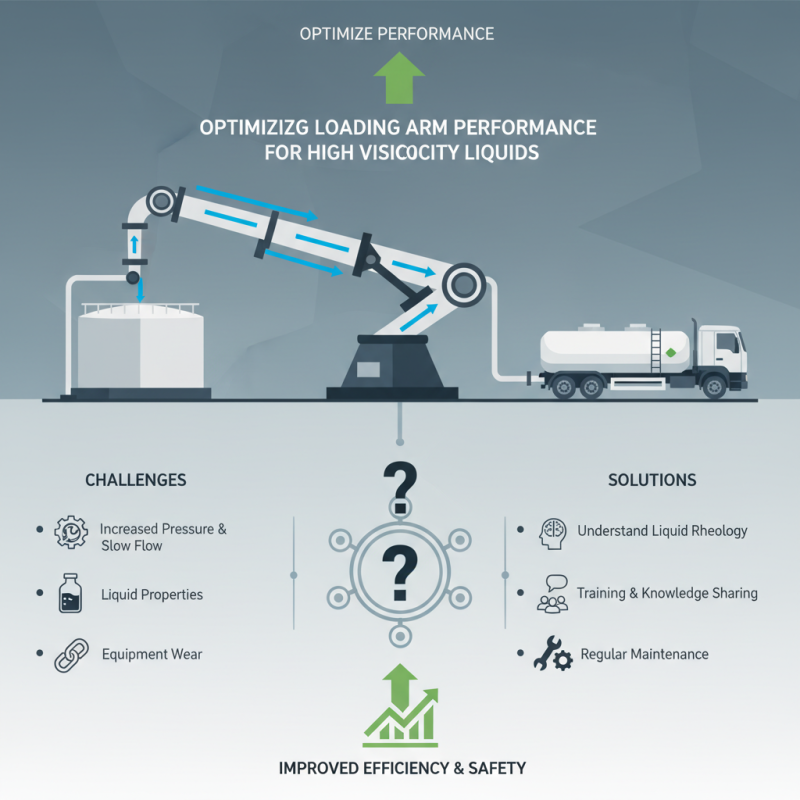
Loading arms play a crucial role in handling high viscosity liquids, often presenting unique challenges. High viscosity liquids can include oils, certain chemicals, and other materials that resist flow. These liquids require specialized handling techniques to ensure efficient loading processes.
One major challenge is the resistance to flow. High viscosity means these liquids take longer to fill containers. This not only increases loading time but can also lead to operational inefficiencies. Inadequate heating or incorrect pump selection can exacerbate these issues. For example, the wrong temperature settings could cause the liquid to thicken further, complicating loading operations.
Proper design and maintenance of loading arms are essential. A thoughtful approach can mitigate flow challenges. Operators must regularly assess their systems for wear and leaks. Regular performance evaluations can reveal hidden issues, prompting timely adjustments. However, even the best systems can struggle with unexpected viscosity variations. Understanding the properties of the liquids being handled is key to optimizing performance and ensuring reliability.
Efficient liquid transfer is critical when handling high viscosity liquids. The design of loading arms plays a significant role in this process. A well-engineered loading arm can reduce the time and energy spent during transfer, leading to cost savings. According to a report by the American Institute of Chemical Engineers (AIChE), optimized loading conditions can enhance transfer efficiency by as much as 30%.
Proper design factors include diameter, length, and swivel joint configurations. Choosing the right materials also reduces wear and tear on the system, promoting longevity. When dealing with liquids like viscous oils, pressure drops become more apparent. A study from the Journal of Hazardous Materials indicates that inadequate arm length can lead to significant losses in product volume, potentially doubling transfer times.
Operators must be aware of the limitations of their systems. Frequent inspections are essential to identify wear, blockage, or leakage issues. Understanding the flow dynamics can help in optimizing the transfer rate. Engaging with engineers who specialize in fluid dynamics ensures that the entire system operates efficiently. Striving for continuous improvement in loading arm design will ultimately benefit both process efficiency and safety in high viscosity liquid transfer.
Loading arms are essential for transferring high viscosity liquids, like oils and syrups. Their performance is influenced by several key factors. Understanding these factors can help optimize operations and minimize downtime.
One major factor is the design of the loading arm. The geometry should facilitate smooth flow, reducing turbulence. A straight and well-aligned arm minimizes bends, which can constrict flow. Material choice also matters. Corrosion-resistant materials enhance durability. Proper insulation can prevent temperature loss and maintain fluid viscosity.
Another significant influence is the pump used in conjunction with the loading arm. Pumps need to provide sufficient pressure tailored to high viscosity fluids. A mismatch can lead to delays and inefficiencies. Additionally, operators should consider flow rates carefully. Too fast can cause buildup, while too slow may lead to operational bottlenecks. Regular maintenance checks can help identify issues early, preventing costly repairs.
There might be instances where these recommendations don’t yield expected results. Variability in liquid properties can complicate matters. Each type of viscous fluid behaves differently under similar conditions. This unpredictability may require ongoing adjustments and fine-tuning to achieve optimal performance.
This chart illustrates the relationship between loading arm diameter and average flow rate for various viscosity levels of liquids. As viscosity increases, the flow rate tends to decrease, highlighting the challenges in optimizing loading arm performance for high viscosity liquids.
When optimizing loading arm operations for high viscosity liquids, several best practices can enhance performance. High viscosity can impede flow rates, leading to inefficiencies. According to industry reports, increasing resistance can reduce flow rates by 60% in some cases. Understanding the relationship between fluid characteristics and loading arm functionality is crucial.
Regular maintenance practices must be prioritized. This includes routine inspections of seals, gaskets, and joints. Neglected components can exacerbate viscosity issues. Using materials that withstand high pressures can help improve longevity. Employing real-time monitoring systems can track performance metrics. These systems identify bottlenecks linked to viscosity changes, with data showing that smart monitoring systems improve efficiency by up to 30%.
Training personnel on specific challenges related to high viscosity fluids is essential. Awareness of common pitfalls can prevent operational failures. For instance, improper alignment of loading arms can lead to increased wear and tear. Leveraging these best practices can enhance overall performance while minimizing risks associated with high viscosity liquid transfer.
When dealing with high viscosity liquids, traditional loading arm systems often fall short. Innovations are necessary to enhance performance and efficiency. Advanced technology can significantly reduce the time and effort required for loading operations. For example, companies are now exploring the use of smart sensors that can monitor viscosity levels in real-time. These sensors provide data that help in adjusting flow rates and pressure, ensuring a smoother transfer process.
New materials also play a vital role in optimizing loading arm systems. Lightweight yet durable materials can reduce unnecessary strain on the equipment. This not only prolongs the lifespan of the loading arms but also minimizes maintenance costs. There are challenges in finding the right balance between flexibility and strength, as some innovative designs still struggle under extreme conditions.
Predictive maintenance tools offer another layer of innovation. They analyze operational data to forecast potential failures before they become problems. This proactive approach enhances reliability. However, integration with existing systems can be complex. Companies may face pushback during these adjustments. As new technologies emerge, the industry must embrace change while remaining cautious of its impacts.
: High viscosity liquids resist flow, prolonging container filling time and causing operational inefficiencies.
Incorrect temperatures can increase viscosity, complicating loading processes.
A well-designed loading arm enhances efficiency and saves time and energy during liquid transfer.
Diameter, length, swivel joint configurations, and material choices are key factors influencing performance.
Regular inspections are crucial to check for wear, blockages, and leaks in the system.
Unexpected viscosity changes can still challenge even well-designed systems, requiring operators to adapt.
Understanding flow dynamics and collaborating with fluid dynamics engineers can enhance transfer rates.
Regular evaluations help identify issues early and ensure efficient operation, preventing major failures.
Yes, inadequate arm length can lead to significant volume loss, effectively doubling the transfer time.
Optimized conditions can improve efficiency by up to 30%, reflecting on cost savings and time management.
The article titled "Optimize Loading Arm Performance for High Viscosity Liquids?" delves into the complexities associated with transferring high-viscosity liquids using loading arms. It emphasizes the unique challenges posed by these types of liquids, such as their resistance to flow and potential for damaging equipment. Understanding these issues is crucial for developing an effective loading arm design that ensures efficient liquid transfer.
The piece further explores various factors influencing loading arm performance, including material choice, flow rate, and arm geometry. It outlines best practices for optimizing operations, which include regular maintenance, strategic positioning, and fluid heating techniques. Finally, the article highlights recent technological innovations that enhance loading arm systems specifically designed for high-viscosity liquids. Overall, it provides a comprehensive guide on how to optimize loading arm performance for high-viscosity liquids, making it an essential read for industry professionals.

Liftora Arm