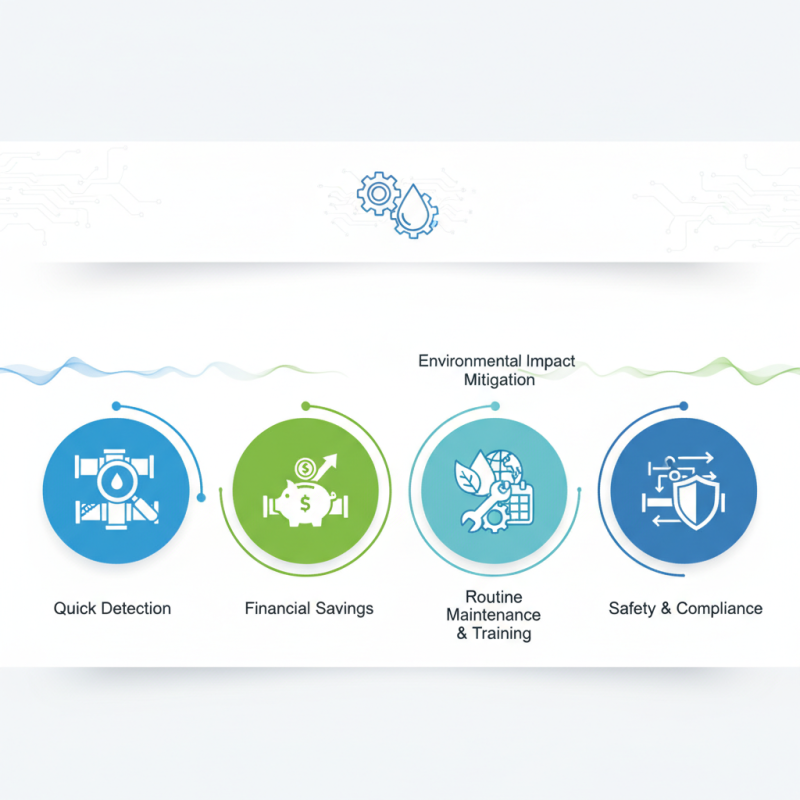
Detecting leaks in metering skids is crucial for operational efficiency and safety. The American Petroleum Institute reports that leak detection can save companies millions in potential losses. Yet, many operators struggle to identify these leaks promptly. Understanding how to detect leaks in metering skids quickly can enhance productivity and reduce risks in various sectors, including oil and gas.
Leak detection technologies have advanced significantly. However, many organizations still rely on outdated methods. A study published by the International Energy Agency emphasizes the importance of adopting modern techniques to minimize downtime. Quick detection not only prevents financial loss but also mitigates environmental impacts. Companies must leverage best practices tailored for their specific operations.
Periodic training and routine maintenance are key components, but the human factor often leads to inconsistent results. By implementing reliable detection methods and prioritizing employee education, firms can better address leaks when they occur. A comprehensive approach that includes technology and workforce readiness will contribute to improved leak management strategies. This is essential not only for compliance but also for long-term sustainability in the industry.
Metering skids are essential in various industries, including oil and gas, for accurate measurement and monitoring. These systems facilitate the flow of fluids, ensuring metering is precise and leak detection is effective. According to industry reports, improper handling or maintenance can lead to leaks, costing companies millions annually. Understanding metering skids can prevent operational downtime and help maintain safety standards.
Leak detection in metering skids is crucial. It relies on technologies like ultrasonic sensors and pressure gauges. Data indicates that facilities with robust leak detection systems report 30% fewer incidents. Real-time monitoring allows companies to identify anomalies quickly. However, many skids lack the necessary updates or maintenance to effectively use these technologies. Such oversights can expose the system to unexpected failures.
Implementing a thorough understanding of how metering skids function is necessary. Many operators underestimate the importance of regular checks. Reports suggest that 40% of leaks go undetected due to insufficient monitoring practices. Training personnel on the operational specifics can bridge this knowledge gap. Addressing these deficiencies not only enhances leak detection but also bolsters overall system reliability.
Leaks in metering skids can significantly impact operations and safety. Common types of leaks include gas leaks, liquid leaks, and pressure leaks. Gas leaks often occur at connection points, where gaskets or seals may degrade. Liquid leaks typically happen due to cracks in piping or worn-out seals. Pressure leaks can arise from system overpressure or faulty pressure regulators.
Detecting these leaks early can save time and resources. Regular inspections are crucial. Operators must check valves, joints, and connections routinely. Visual inspections reveal obvious signs, such as corrosion or fluid accumulation. Using ultrasonic leak detectors can enhance detection accuracy. This tool identifies high-frequency sounds generated by escaping gas or fluids. Additionally, pressure monitoring helps detect drops in pressure that may indicate hidden leaks.
Despite these methods, challenges remain. Environmental conditions can hinder detection efforts. High humidity may obscure visual signs. It’s essential to stay vigilant and maintain a schedule for thorough checks. Implementing a checklist for inspection can help standardize processes. This approach allows for consistent monitoring of potential leak points while making it easier to identify areas needing improvement.
Detecting leaks in metering skids is crucial for maintaining efficiency. Industry reports indicate that leaks can lead to an average loss of 25% in operational capacity. Utilizing effective techniques can minimize such losses.
One step involves visual inspections. Look for signs of wear or corrosion on pipes and connections. Even minor discolorations can signal a problem. Regular checks can prevent more significant issues over time. Another method is monitoring flow rates closely. A sudden drop in flow can indicate a leak. Using digital flow measurement tools can enhance accuracy and reliability.
Tip: Employ a soapy water solution around pipe joints. Bubbles will form when there is a leak. This simple method can quickly identify problem areas.
Additionally, consider infrared thermography. This technique detects thermal anomalies that may indicate leaks. Although costly, the investment often pays off by identifying issues early. Finding leaks swiftly can save resources and reduce downtime. Failure to address small leaks can lead to significant operational disruptions. Regular maintenance routines are essential for long-term success in metering skid management.
Leak detection in metering skids is crucial for maintaining operational efficiency. Utilizing technology enhances our ability to identify leaks quickly and accurately. Various tools and methodologies can be implemented to streamline this process.
One effective method is the integration of ultrasound technology. This technology detects high-frequency sounds emitted by leaks. It offers a non-invasive way to locate leaks in real-time. Regular calibration and maintenance of the equipment are necessary to ensure its effectiveness.
Another useful tip is the use of thermal imaging cameras. These devices identify temperature variations caused by leaks. By focusing on hot and cold spots, teams can pinpoint issues quickly. Teams should regularly train on how to interpret the visuals accurately.
Lastly, implementing smart sensors can significantly improve leak detection. They provide constant monitoring and instant alerts when issues arise. However, reliance on technology alone can lead to oversight. Always combine technological insights with human expertise for best results.
Leaks in metering skids can lead to significant operational disruptions and increased costs. Preventing these leaks requires ongoing maintenance and attention to detail. Regular inspections can identify potential weaknesses. For instance, according to the American Petroleum Institute, up to 10% of metering systems exhibit minor leaks that can escalate if ignored.
One crucial practice involves using advanced monitoring systems. These systems can detect even small pressure changes. A report by the National Transportation Safety Board highlights that real-time monitoring can reduce leak incidents by more than 30%. Implementing redundancy in leak detection is also beneficial. If one sensor fails, another can immediately alert operators.
Best practices should include regular training for staff on leak detection techniques. A well-informed team can notice irregularities faster, potentially preventing accidents. Routine maintenance checks can highlight potential issues. However, many operations still overlook this essential practice, emphasizing the need for consistent review. By fostering a culture of vigilance and using technology effectively, organizations can significantly reduce the risk of leaks and enhance safety in metering skids.
: Metering skids are systems used for accurate measurement and monitoring of fluid flow in various industries.
Leak detection helps prevent costly operational downtime and maintains safety standards.
Poor maintenance can lead to leaks, resulting in significant financial losses for companies.
Technologies like ultrasonic sensors and pressure gauges are commonly used for effective leak detection.
You can use soapy water around joints; bubbles will form at the leak site.
Regular inspections are essential, as 40% of leaks go undetected due to insufficient monitoring.
Training helps fill knowledge gaps, improving leak detection and overall system reliability.
A sudden drop in flow may indicate a leak, which requires immediate attention.
Thermal imaging cameras can detect temperature changes, highlighting potential leak areas quickly.
Relying only on technology can lead to oversights, so human expertise is crucial for effective management.
Detecting leaks in metering skids is crucial for maintaining operational efficiency and safety in various industrial applications. Understanding metering skids and the common types of leaks that can occur is an essential first step. To answer the question, "How to detect leaks in metering skids quickly?", the article outlines effective step-by-step techniques, such as visual inspections, pressure testing, and the use of sound detection methods.
Moreover, leveraging advanced technology, such as sensors and monitoring systems, enhances the accuracy of leak detection exponentially. Finally, implementing best practices for regular maintenance and inspection can significantly reduce the likelihood of future leaks. By following these guidelines, operators can efficiently identify and address leaks, ensuring the integrity of metering skids.

Liftora Arm