How to Ensure Safe Fuel Loading for Operators?

Time:2026-05-19 Author:Henry
0%

Fuel loading is a critical operation in many industries, yet it poses significant risks. Understanding how to ensure operator safety during fuel loading is essential for preventing accidents. Operators frequently face hazards such as spills, fires, and exposure to harmful substances.

Proper protocols must be observed to mitigate these dangers. Training programs are vital; operators should be well-informed about handling fuel safely. Clear communication about potential risks should be established. Each loading site may present unique challenges, requiring tailored safety measures.

However, even with training, human error can occur. Operators may not always follow procedures correctly, leading to unsafe conditions. Regular audits can help identify weaknesses. Creating a culture of safety involves ongoing education and the willingness to adapt practices based on real-world observations. By focusing on these aspects, industries can take effective steps toward ensuring operator safety during fuel loading.
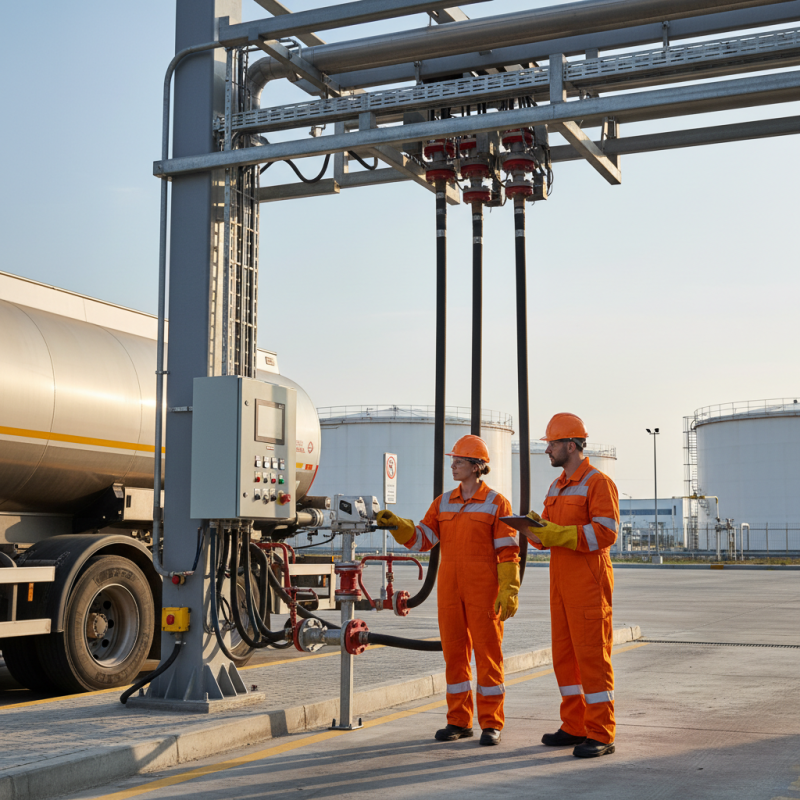
How to Ensure Safe Fuel Loading for Operators?

Understanding the Importance of Safe Fuel Loading Procedures

Safe fuel loading procedures are critical for operators in various industries. Neglecting these protocols can lead to severe accidents and environmental hazards. Understanding why these safety measures are essential is the first step toward cultivating a mindful workplace.

Operators must receive thorough training on safe loading protocols. This training should include the proper handling of fuel, specific equipment use, and emergency response. Each operator needs to understand their role clearly. Minor oversights, such as not wearing personal protective equipment, can lead to major risks. Regular drills can help reinforce these practices over time, making them instinctive.

Continuous evaluation of safety procedures is vital. Operators should participate in safety audits and be encouraged to report hazards. A culture of safety relies on open communication and feedback. Mistakes happen, and acknowledging them can lead to improvements. The goal is not only to prevent accidents but also to build a reliable system where fuel loading can be conducted safely and efficiently.

Identifying Common Risks and Hazards in Fuel Loading Operations

Fuel loading operations carry inherent risks that operators must be aware of. According to the National Fire Protection Association (NFPA), flammable liquids contribute to approximately 20% of workplace fires. This statistic underscores the need for vigilant risk assessment. Common hazards in fuel loading include spills, equipment malfunctions, and static electricity. Operators should continuously monitor their environment for potential dangers.

Spills during fuel loading can lead to environmental contamination and pose safety risks. The U.S. Environmental Protection Agency (EPA) emphasizes that poorly managed spills can have devastating effects on local ecosystems. Operators must ensure all containment and spill response measures are in place. Regular equipment inspections can prevent malfunctions. Statistics show that 30% of accidents arise from faulty equipment. Operators should maintain a rigorous maintenance schedule to identify wear and tear.

Static electricity is another critical concern in fuel loading operations. The Electrostatic Discharge (ESD) Association notes that static discharge can cause ignitions in hazardous environments. Using anti-static equipment and grounding techniques can mitigate these risks. Operators must be trained to recognize the signs of static build-up and take proactive measures. A comprehensive safety culture that prioritizes these risks will lead to safer fuel loading operations.

Implementing Safety Training Programs for Operators

Operators play a critical role in ensuring the safety of fuel loading processes. Implementing effective safety training programs is essential. According to the National Fire Protection Association (NFPA), improper handling of fuels contributes to a significant percentage of workplace incidents. Training can mitigate these risks.

A well-structured training program should cover emergency response procedures, hazard recognition, and equipment operation. Interactive training methods enhance engagement and retention. For instance, hands-on simulations help operators understand real-life scenarios. A report from the Occupational Safety and Health Administration (OSHA) indicates that training reduces workplace accidents by up to 29%.

Tips: Incorporate regular drills to keep skills sharp. Consider using visual aids to highlight safety protocols. Moreover, keep training sessions brief to maintain focus and comprehension. Continuous evaluation of training effectiveness is vital. Feedback from operators can uncover areas needing improvement, refining the program for better outcomes. Safety should always be a priority.

Utilizing Proper Equipment and Technology for Safe Fuel Loading

To ensure safe fuel loading, operators must prioritize utilizing the right equipment and technology. The choice of hoses, nozzles, and connectors can significantly impact safety. Trusted materials resist wear and tear, reducing the risk of leaks. Regular inspections of all equipment are essential to maintain their integrity. Even minor wear can lead to major hazards during fuel loading.

Additionally, incorporating technology enhances safety measures. Automated systems can monitor fuel levels and alert operators of any abnormalities. Sensors detect leaks, and alarms can notify staff in real time. However, reliance on technology isn’t foolproof. Regular training for personnel is vital. They need to understand equipment operation and troubleshooting. Human judgment is always an integral part of safety.

Despite best efforts, issues may still arise. Operators should encourage a culture of open communication. Reporting near misses helps identify gaps in safety protocols. Continuous improvement is crucial in evolving safety practices. Everyone involved should reflect on experiences and adjust procedures accordingly to ensure a safer environment.

How to Ensure Safe Fuel Loading for Operators? - Utilizing Proper Equipment and Technology for Safe Fuel Loading

Equipment/Technology Safety Feature Importance Usage Guidelines
Automatic Shutoff Valves Prevents overflow and spills Critical for reducing environmental impacts Inspect regularly for proper functionality
Fuel Loading Arm Minimizes risk of manual handling Enhances safety and efficiency Ensure proper training for operators
Leak Detection Systems Early detection of leaks Prevents accidents and environmental damage Conduct routine checks and maintenance
Grounding Connections Prevents static electricity buildup Essential for preventing fires Always verify connections are secure
Personal Protective Equipment (PPE) Protects workers from exposure Promotes health and safety Ensure employees wear appropriate PPE

Establishing Emergency Response Protocols for Fuel Loading Incidents

Establishing effective emergency response protocols is crucial for fuel loading operations. According to the National Fire Protection Association (NFPA), about 25% of fuel-related incidents occur during loading or unloading. Having a robust emergency plan can significantly reduce risks.

Personnel must undergo comprehensive training. Regular drills, simulating spills or fires, ensure operators are prepared. The Occupational Safety and Health Administration (OSHA) mandates these drills. Companies reporting frequent drills see a 30% drop in fuel incident claims, highlighting their importance.

A clear communication channel is vital during emergencies. Operators should have immediate access to emergency numbers and procedures. Many companies, however, neglect to review their emergency plans regularly. An outdated protocol can lead to chaos when every second counts. Regular assessments can help identify weaknesses and encourage improvements.

How to Ensure Safe Fuel Loading for Operators?

This chart highlights the importance of various strategies to ensure safe fuel loading protocols. Each category is rated on a scale from 1 to 10, indicating its perceived significance in preventing incidents during fuel loading operations.

FAQS

: What are some common risks in fuel loading operations?

: Common risks include spills, equipment malfunctions, and static electricity. These hazards require constant vigilance.

How can spills during fuel loading be managed?

Spills must be contained effectively. Operators should have spill response measures and regularly inspect their equipment.

Why is equipment maintenance important in fuel loading?

Faulty equipment causes about 30% of accidents. Regular checks help identify wear and tear, increasing safety.

What role does static electricity play in fuel loading?

Static electricity can ignite flammable materials. Anti-static equipment and grounding techniques help reduce these risks.

How can operator training improve safety?

Proper training on emergency response and hazard recognition can reduce workplace incidents significantly.

What methods enhance operator training effectiveness?

Hands-on simulations and regular drills improve engagement and retention of safety protocols among operators.

How should training sessions be structured?

Keep training sessions brief and focused. Use visual aids to enhance understanding of safety measures.

What feedback strategies are useful for improving training?

Gathering feedback from operators can identify areas that need improvement. Continuous evaluation is essential for success.

Why is a safety culture important in fuel loading operations?

A strong safety culture prioritizes risk awareness, leading to safer operations and fewer accidents in critical environments.

Conclusion

Ensuring safe fuel loading for operators is crucial to prevent accidents and protect personnel. To achieve this, it is important to understand the significance of comprehensive safe fuel loading procedures. Identifying common risks and hazards inherent in fuel loading operations is the first step towards mitigating dangers. Developing and implementing extensive safety training programs for operators will equip them with the knowledge and skills necessary to navigate potential hazards effectively.

Additionally, utilizing the appropriate equipment and technology plays a vital role in enhancing safety during fuel loading. Operators must be familiar with the latest safety technologies to minimize risks. Lastly, establishing robust emergency response protocols is essential for managing any incidents that may occur. In this way, organizations can answer the question, "How to ensure operator safety during fuel loading?" by fostering a culture of safety and preparedness in fuel loading operations.

Henry

Henry

Henry is a dedicated marketing professional with a profound expertise in the company's offerings. With years of experience in the industry, he possesses an impressive understanding of the market dynamics and consumer behaviors that drive success. Henry is committed to sharing his insights through......