Designing a customized loading and metering solution requires careful consideration of various factors. It is not just about technology; it is also about understanding industry needs. How to design a customized loading and metering solution? This question is pivotal for engineers and companies alike.
When crafting your solution, think about the specific materials and equipment involved. Different industries have unique requirements. For example, a food processing plant will have distinct needs compared to an oil refinery. Understanding these nuances will significantly enhance the effectiveness of your design.
Experience plays a critical role in this process. Engaging with industry experts can provide insights you might overlook. Learning from past projects helps identify common pitfalls. Remember, no design is perfect. Continuous reflection ensures that your solution evolves alongside technological advancements and industry standards. This approach not only fosters reliability but also builds authority in your design process.
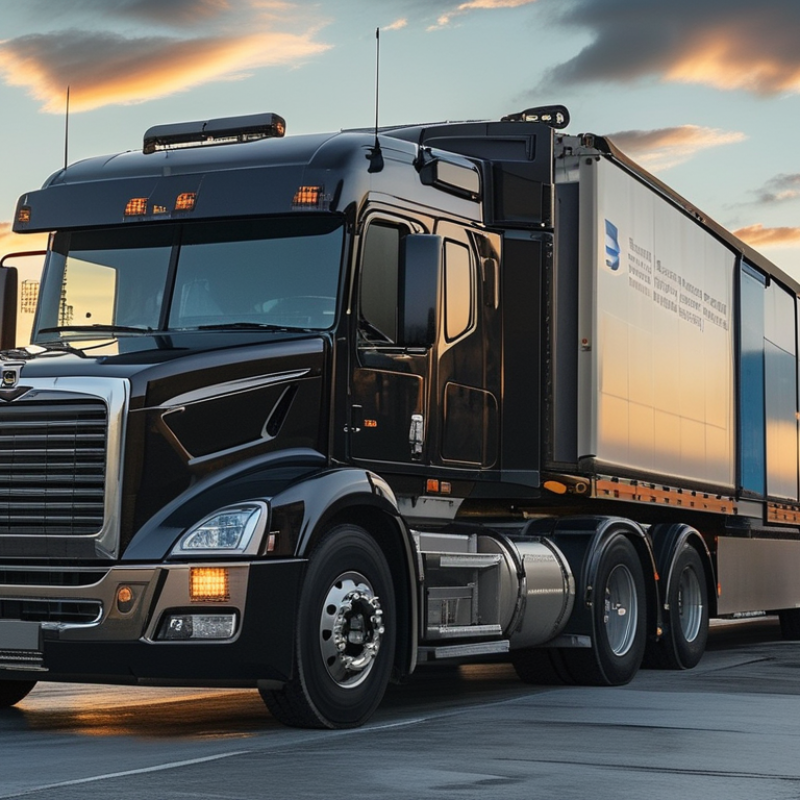
Customized loading and metering solutions are vital in various industries. They enhance efficiency and accuracy. A tailored system can adapt to specific operational needs. This flexibility prevents wastage and boosts productivity. Many businesses overlook the importance of personalization. They might opt for one-size-fits-all solutions, which often lead to inefficiencies.
Understanding the unique requirements of your processes is crucial. Custom solutions can integrate advanced technology for better monitoring. For example, real-time data analysis can drastically improve decision-making. However, personalization demands a thorough understanding of engineering principles and operational workflows. Companies should invest time in training their teams. Expertise builds a robust foundation, leading to better implementation.
Reflection on past experiences can guide future designs. Engaging with various stakeholders is necessary. Their feedback can provide insights into potential flaws or improvements. A successful customized system must evolve over time. Continuous adaptation is key to staying competitive. Organizations that embrace this mindset will likely see long-term benefits.
When designing a customized loading and metering solution, identifying key requirements is crucial. Start by assessing the materials you'll be handling. Whether it’s liquids, gases, or solids, different materials demand unique approaches. Determining the ideal flow rate plays a significant role, too. A mismatched flow rate could lead to inefficiencies or system failures.
Consider the environment where your system will operate. Extreme temperatures or corrosive atmospheres could impact materials and components. Understanding variability in conditions is essential. You may need to design your solution for dynamic changes. This aspect often requires feedback mechanisms or adaptive controls.
User input is another critical factor. Gather information from stakeholders about their daily needs. Clarity in purpose results in a more effective solution. Regularly revisit your requirements as concepts evolve. Flexibility in design can be beneficial, allowing for future upgrades. Reflecting on these aspects ensures that your loading and metering solution can adapt to ongoing changes in operations.
When designing a customized loading and metering solution, efficiency and accuracy are crucial. A key consideration is flow measurement, which can significantly impact operation. Select the right sensing technologies. Different applications require different instruments for optimal performance. Understanding the specific flow dynamics in your system can guide your choice. Don't overlook temperature variations, as they affect fluid density and viscosity.
Another aspect to consider is calibration. Regular calibration helps maintain accuracy over time. A neglected calibration schedule can lead to inconsistent measurements. It's essential to establish a routine that keeps your equipment in check. This process can seem tedious but is vital for reliability. Contamination is another concern that may compromise performance. Ensure that the design includes proper filtration and protection mechanisms to enhance longevity.
Lastly, think about the user interface. A complex setup can lead to user errors. Simplicity can enhance operational efficiency. Yet, a balance between detail and usability is necessary. Users may require guidance to navigate complex data. Iterative feedback from operators should inform design adjustments. This reflects a commitment to continual improvement and adaptation.
In an era where efficiency is paramount, integrating advanced technology into customized loading and metering solutions becomes essential. Recent reports indicate that companies leveraging smart technology in logistics can improve their operational efficiency by up to 30%. By utilizing IoT devices, real-time data tracking and management can enhance the precision of loading processes and reduce downtime significantly.
When designing a customized solution, consider the value of automation. Automating repetitive tasks minimizes human error and allows employees to focus on more complex issues. Advanced sensors can monitor fluid dynamics and provide immediate feedback, optimizing performance and resource allocation. The reliance on outdated metering practices could result in inaccuracies, leading to potential losses.
Another vital aspect is ensuring compatibility with existing systems. Companies often overlook this, leading to integration challenges. Incorporating flexible designs can accommodate new technologies without disrupting current workflows. Recent studies show that 40% of businesses face delays due to integration issues, emphasizing the need for seamless technology transitions. Investing in training for your team is equally crucial, as their proficiency with new tools directly impacts operational success.
| Tip No. | Tip Title | Description | Expected Outcome |
|---|---|---|---|
| 1 | Understand Your Process | Analyze the specific requirements of your loading and metering process. | Improved accuracy in design specifications. |
| 2 | Select the Right Technology | Choose the appropriate sensors and meters for your applications. | Enhanced performance and reliability. |
| 3 | Incorporate Automation | Utilize automation to streamline operations and improve efficiency. | Reduced operational costs and human error. |
| 4 | Ensure Regulatory Compliance | Make sure designs meet local and industry regulations. | Avoidance of legal issues and penalties. |
| 5 | Design for Maintainability | Create systems that are easy to maintain and troubleshoot. | Decreased downtime and maintenance costs. |
| 6 | Focus on Safety | Incorporate safety features throughout the design. | Increased safety for personnel and equipment. |
| 7 | Utilize Data Analytics | Implement data collection and analysis for better insights. | Improved decision-making based on data-driven insights. |
| 8 | Conduct Regular Testing | Perform testing and validation of the system often. | Assured performance and reliability over time. |
| 9 | Plan for Scalability | Design systems that can easily scale as needs grow. | Flexibility to expand operations without major overhauls. |
| 10 | Get Feedback | Collect input from end-users throughout the design process. | Ensured user satisfaction and system effectiveness. |
Testing and validation are crucial when creating customized loading and metering solutions.
A strong testing strategy defines your approach to ensuring reliability.
Start with simulated environments. Testing under real-world conditions is often impractical, so simulations play a key role.
Ensure that every variable is accounted for. It can be a challenge, yet it informs future adjustments.
Incorporate user feedback throughout the process. Customers often provide insights that tests alone may overlook.
Listening to their needs shapes a more effective solution.
Implement iterative testing cycles. They allow for continuous refinement and adaptability. A design may seem perfect initially, yet real-time tests may reveal unexpected weaknesses.
Documentation is essential in the validation process.
Keep a detailed record of tests and outcomes. It provides transparency and serves as a reference for future projects.
However, embrace flexibility. If results do not meet expectations, revisit your design.
Understand that not every test will yield the desired outcome.
The path to reliability is often nonlinear, filled with revisions and renewed strategies.
: They enhance efficiency and accuracy by adapting to specific operational needs.
Identify if you are handling liquids, gases, or solids, as they require unique approaches.
A mismatched flow rate can lead to inefficiencies or even system failures.
Gathering feedback ensures the system meets daily needs and promotes clarity in purpose.
Temperature variations and environmental conditions significantly influence material and component choice.
Regular calibration maintains measurement accuracy; neglecting it leads to inconsistent results.
Proper filtration and protection mechanisms enhance performance and longevity.
A simple setup reduces user errors; balance between detail and usability is key.
Reflection provides insights for future designs, guiding improvements and minimizing flaws.
Evolving customized systems keeps organizations competitive and responsive to changing needs.
Designing a customized loading and metering solution is critical to ensure efficiency and accuracy in various applications. Understanding the importance of tailored systems begins with identifying the specific requirements of your application, which lays the foundation for effective design. Key design considerations should focus on achieving optimal performance while meeting safety standards.
Integrating advanced technology can further enhance the operational capabilities of your solution. This might include automation, real-time monitoring, and data analytics to improve efficiency. Finally, robust testing and validation strategies are essential to ensure that your loading and metering solution performs reliably under various conditions. Overall, when exploring how to design a customized loading and metering solution, it is vital to align each aspect of the design with the unique needs of your project.

Liftora Arm