Choosing the right equipment for loading operations is crucial. When considering "How to choose hydraulic vs pneumatic loading arms?", it helps to refer to industry insights. According to the 2022 Fluid Transfer Equipment Market Report, approximately 70% of industries prefer hydraulic systems for heavy-duty applications. Hydraulic loading arms offer robust performance and reliability, especially in hazardous environments.
Expert in fluid dynamics, Dr. Emily Smith states, “Selecting between hydraulic and pneumatic systems depends on the specific operational requirements.” Her insight sheds light on the factors influencing this choice. Hydraulic systems excel in power, while pneumatic systems are lighter and often less expensive.
These systems need careful evaluation. Understanding fluid dynamics, application requirements, and safety standards matters. As industries evolve, continuous improvements in loading technologies prompt regular reassessment of existing systems. Balancing performance, cost, and safety will lead to the best operational choices.
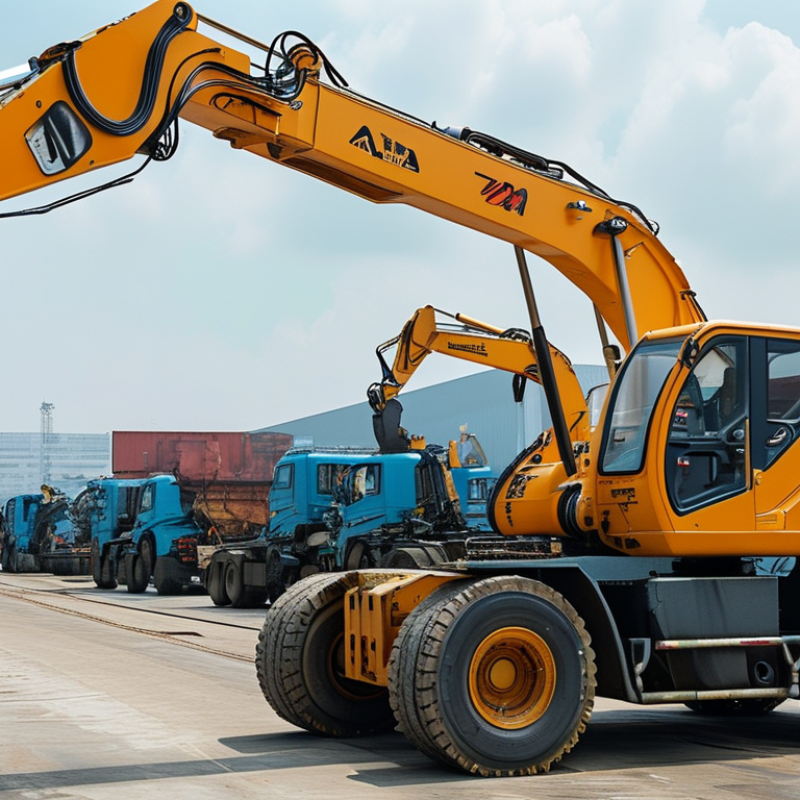
Choosing between hydraulic and pneumatic loading arms requires understanding their fundamental differences. Hydraulic loading arms operate using fluid under pressure. They are generally more robust and can handle heavier loads. This makes them suitable for demanding environments, such as oil and gas operations. However, their complexity might lead to higher maintenance costs.
Pneumatic loading arms, on the other hand, rely on compressed air. They are lighter and often easier to maintain than their hydraulic counterparts. This system works effectively for lighter applications. However, their efficiency can be compromised in high-pressure scenarios. You may need to consider the operational environment carefully. Both systems have their pros and cons, leading to potential trade-offs.
Ultimately, the choice should align with your specific operational needs. Take into account load weight, working environment, and maintenance resources. Engaging with industry experts may provide valuable insights. This dialogue can help clarify which system offers the best balance of performance and reliability for your situation.
When selecting loading arms, understanding the specific application needs is essential. Hydraulic and pneumatic systems both offer distinct benefits and drawbacks. Hydraulic loading arms, for instance, provide greater force, making them ideal for applications involving heavy liquid transfers. According to industry data, hydraulic systems are more efficient under high pressure, achieving up to 20% better flow rates compared to pneumatic systems. This makes them suitable for applications where time and efficiency matter.
On the other hand, pneumatic loading arms are lighter and typically easier to install and maintain. They operate using compressed air, which reduces the risk of leaks compared to hydraulic fluids. However, they may require higher energy inputs for operations. Research indicates that in environments with strict safety regulations, pneumatic systems often have an edge due to their cleaner operation. Evaluating environmental conditions and safety requirements can lead to choosing the right system.
Considerations also include maintenance and operational complexity. Hydraulic systems often need rigorous checks for leaks and pressure integrity, while pneumatic systems may need regular filter changes. Understanding these needs requires a deep dive into operational requirements and potential downtime implications. Each application mandates a tailored approach, as overlooking specific needs can lead to costly operational failures.
When choosing hydraulic or pneumatic loading arms, environmental conditions play a crucial role. Analyzing factors like temperature, humidity, and exposure to corrosive substances can greatly affect performance. For example, a report from the International Society of Automation notes that up to 30% of loading arm failures occur due to inappropriate environmental assessments.
Temperature extremes can impact hydraulic fluid viscosity. Hydraulic systems function best between 50°F and 150°F. When temperatures drop, hydraulic fluids can thicken, leading to inefficient operation. On the other hand, pneumatic systems, while less sensitive to temperature changes, can be adversely affected by humidity. Excess moisture in the air can lead to corrosion, compromising the loading arm's integrity.
Corrosive environments demand specific materials. Stainless steel is often preferred for its resistance to rust and degradation. According to research from the American Society of Mechanical Engineers, implementing the right material based on environmental conditions can extend the lifespan of loading arms by 40%. Neglecting these assessments may lead to costly downtime and repairs in the long term.
When selecting loading arms, understanding the cost-effectiveness of hydraulic versus pneumatic systems is essential. Hydraulic systems provide powerful force, making them suitable for heavy-duty applications. They often have a higher upfront cost but require less maintenance over time. Pneumatic systems, on the other hand, are typically more affordable initially and offer flexibility in lighter applications, but may incur higher operational costs.
Tips for choosing between these systems include considering the fluid type. Hydraulics are often better for viscous fluids. Assess the operational environment as well. Pneumatic systems can adapt well to varying conditions. Evaluate the future scalability of your operations too. Hydraulic systems may be more beneficial as load demands increase.
Cost-effectiveness involves ongoing evaluations. You must consider not just the initial investment. Maintenance costs and energy consumption also play a crucial role. Be mindful of how the choice impacts your overall budget. Balancing these factors can sometimes be tricky. Regular reviews of system performance can identify potential improvements. This leads to cost savings over time, enhancing your operational efficiency.
When choosing between hydraulic and pneumatic loading arms, maintenance and safety are crucial. Each type has distinct qualities affecting long-term operation. Hydraulic systems typically handle heavier loads but require regular checks on fluid levels and seals. Conversely, pneumatic loading arms rely on compressed air. This can lead to leaks and increased energy consumption if not monitored.
Consider your operational environment. For example, hydraulic systems can operate in extreme conditions, but they can leak. This poses a risk to both personnel and the environment. Make sure to establish a maintenance plan that includes regular inspections. Documentation of issues can help identify persistent problems over time.
Regarding safety considerations, ensure appropriate training for personnel. They should understand the differences in operation between hydraulic and pneumatic systems. Accidents can stem from a lack of knowledge. Also, implement a clear procedure for emergency shutdowns. Maintain a clean and organized workspace to mitigate risks of slipping or falling. These steps can enhance overall safety, benefiting everyone involved in the loading process.
: Hydraulic arms use pressurized fluid and handle heavier loads. Pneumatic arms rely on compressed air and are lighter.
Hydraulic loading arms are generally suited for heavy-duty applications due to their robustness.
Yes, they can have higher maintenance costs due to their complexity compared to pneumatic systems.
Pneumatic arms are lighter and often easier to maintain, making them suitable for lighter applications.
No, their efficiency may be compromised in high-pressure conditions.
Consider load weight, working environment, and maintenance resources based on your specific needs.
Hydraulic systems usually have a higher upfront cost; pneumatic systems are more affordable initially.
Maintenance costs and energy consumption are essential for evaluating long-term cost-effectiveness.
Regular reviews of system performance can identify areas for improvement and lead to cost savings.
Yes, considering future scalability can help determine which loading arm is more beneficial as demands grow.
When considering how to choose hydraulic vs pneumatic loading arms, it is essential to understand the fundamental differences between these two systems. Hydraulic loading arms typically offer higher force and precision, making them suitable for heavy-duty applications, while pneumatic systems are more versatile and cost-effective for lighter loads. Evaluating specific application needs is crucial, as it helps to determine which system aligns better with operational requirements.
Additionally, assessing environmental conditions plays a significant role in optimal performance. For instance, hydraulic systems may require more maintenance in harsh environments, while pneumatic systems can be more forgiving. Cost-effectiveness is another important consideration, as the initial investment and long-term operational costs can vary significantly between the two. Lastly, safety considerations should not be overlooked, as each system has unique maintenance requirements and operational safety standards. Ultimately, a thorough analysis of these factors will assist in making an informed decision.

Liftora Arm