What Training Is Required for Safe Marine Loading Arm Operation?

Time:2026-06-10 Author:Mason
0%

Safe operation of marine loading arms is crucial for the shipping industry. With a focus on ensuring employee safety, the question arises: "What training is needed for safe operation of marine loading arms?" According to James Anderson, a marine operations expert, "Proper training is vital to prevent accidents and ensure safety during loading and unloading processes."

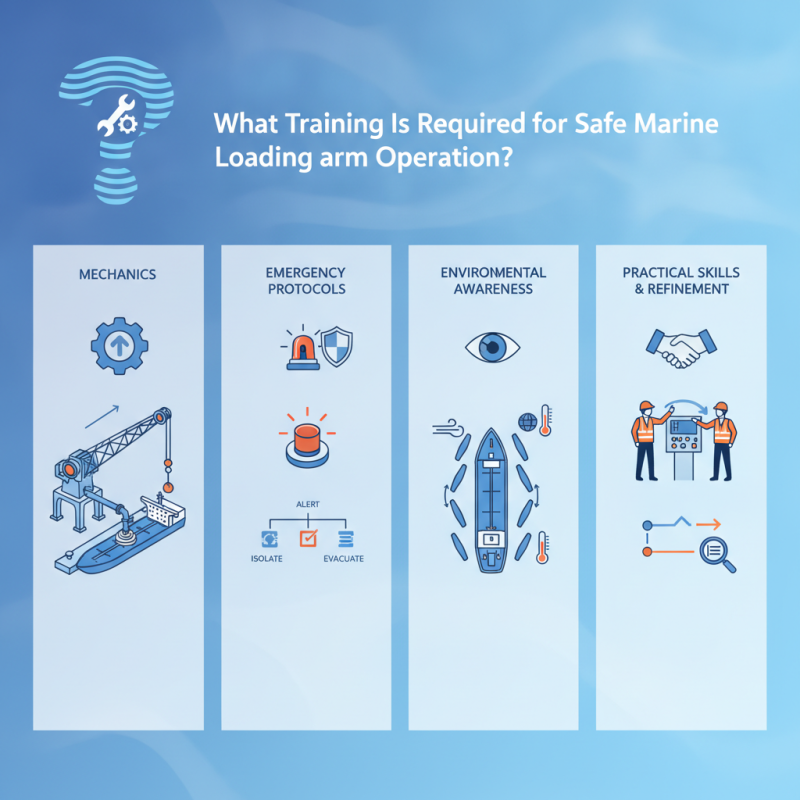
Training programs often include practical demonstrations and theoretical knowledge. Operators must understand the mechanics of loading arms. They should be familiar with emergency procedures and safety protocols. Awareness of the surrounding environment is essential, too. Accidents can occur without proper training and vigilance.

Inadequate training can lead to serious incidents. For instance, misunderstandings about equipment usage can cause spills or equipment failures. Investing time in effective training is crucial. Operators must be prepared for real-life scenarios. Continuous improvement in training programs is necessary. Industry standards evolve, and so must training methods.
What Training Is Required for Safe Marine Loading Arm Operation?

Training Requirements for Marine Loading Arm Operators

Safe operation of a marine loading arm requires comprehensive training for operators. According to recent industry reports, proper training reduces the risk of accidents by up to 40%. Training programs should cover basic safety protocols, equipment handling, and emergency response procedures. Each module focuses on practical skills, ensuring that operators can manage equipment effectively.

Hands-on experience is crucial. Trainees often work alongside seasoned professionals to grasp the nuances of the job. The International Marine Organization emphasizes that interactive sessions enhance knowledge retention. A study revealed that only 20% of operators felt fully prepared without sufficient hands-on training. This gap highlights a critical area for improvement.

In addition, regulatory compliance is essential in training programs. Operators must understand relevant safety regulations and best practices. Data shows that facilities with stringent training protocols report fewer incidents. The focus on continuous learning ensures that operators stay updated with evolving standards. Reflection on training methods can help identify weaknesses and drive enhancements in safety training curricula.

Understanding Marine Loading Arm Components and Functions

Marine loading arms are critical for the safe transfer of liquids between vessels and shore facilities. Understanding their components and functions enhances operational safety and efficiency. A loading arm consists of several parts: the arm itself, swivel joints, hoses, and supports. Each component plays a vital role in preventing leaks and spills during operations.

Training for operators focuses on comprehending these components. Knowing how to handle each part is essential. Operators need to be familiar with the proper locking mechanisms and how to identify potential issues. This knowledge helps avert accidents that can arise from equipment malfunctions.

Tips for safe operation include regularly inspecting the loading arm before use. Operators should always check for signs of wear or damage. Another recommendation is to maintain clear communication with the team during loading operations. This avoids misunderstandings that could lead to dangerous situations. Frequent drills on emergency procedures can prepare your team for unexpected challenges.

Understanding the functions of each component is vital. If an operator overlooks a malfunctioning swivel joint, for example, it can result in significant hazards. Reflecting on these details can lead to better safety practices in the long run.

Safety Protocols and Emergency Procedures in Marine Operations

Marine loading arms are essential tools in the transportation of liquids. Their safe operation relies heavily on established safety protocols and emergency procedures. During loading operations, crew members must follow checklists that detail every step. These protocols include routine inspections of the loading arm, assessing the integrity of connections, and ensuring no leaks are present.

Training for personnel is critical. Workers must understand how to react in emergencies. For instance, if a leak occurs, they need to know the immediate actions to take. This might include closing valves swiftly and activating spill containment systems. Emergency drills are integral in preparing the crew. Regularly scheduled practice sessions allow team members to familiarize themselves with their roles.

Real incidents highlight the necessity of these training protocols. For example, negligence or lack of knowledge can lead to disasters. Reflecting on past failures can guide improvements in training. A poor understanding of emergency procedures can endanger lives and the environment. Therefore, fostering a culture of safety and preparedness is crucial in the marine industry.

Training Requirements for Safe Marine Loading Arm Operation

This chart illustrates the various training requirements essential for safe operation of marine loading arms, highlighting the percentage of emphasis placed on different training elements.

Certification and Licensing Standards for Operators

Safe operation of marine loading arms requires specialized training. Operators need to obtain certifications that ensure they are knowledgeable about equipment and safety protocols. This training must cover the proper handling techniques and emergency response procedures. Each operator should demonstrate competence before being allowed to manage loading arms.

Licensing standards vary by region but often include practical and theoretical exams. Operators must understand fluid dynamics and mechanical principles. Additionally, they should be familiar with industry regulations and operational hazards. Training programs focus on risk assessment techniques and the importance of maintenance checks.

Despite rigorous training requirements, accidents can still occur due to human error or unforeseen circumstances. Continuous education is essential to keep operators updated on new technologies and safety practices. Reflecting on past incidents can provide valuable lessons for improving future operations. Ensuring that operators remain vigilant and well-prepared is crucial for safe marine loading arm operations.

Ongoing Training and Skills Assessment for Safe Operations

Safe operation of marine loading arms relies heavily on ongoing training and skills assessment. Regular training helps operators stay updated with the latest industry practices. This includes understanding safety protocols and emergency procedures specific to loading arm operations. Continuous education fosters a culture of safety and preparedness, essential in avoiding accidents.

Consistent skills assessments are crucial. They ensure that operators maintain high levels of competence. Conducting drills simulates real-life scenarios, reinforcing learned skills. Feedback from these drills should be constructive, addressing gaps in knowledge or practice. Operators should engage in open discussions post-drill to reflect on their performance.

Tips: Regularly check equipment manuals and safety regulations. Knowledge of the latest standards enhances safe operations. Involve team members in training sessions for a variety of perspectives. This collaboration can identify potential risks and improve team cohesion. Don't shy away from asking questions; curiosity leads to better understanding and safer practices.

FAQS

: Why is training important for marine loading arm operators?

: Proper training reduces the risk of accidents by up to 40%. It enhances safety and efficiency.

What should training programs include?

They should cover safety protocols, equipment handling, and emergency response procedures. Hands-on experience is crucial.

How does hands-on experience benefit trainees?

Trainees learn alongside seasoned professionals. This interaction enhances their understanding and retention of practical skills.

Are operators fully prepared without sufficient training?

Only 20% felt fully prepared. This indicates a significant gap in readiness.

What is the role of regulatory compliance?

Operators must know safety regulations and best practices. Strict protocols lead to fewer incidents.

How can operators maintain equipment safely?

Regular inspections are essential. Look for wear or damage before use.

Why is communication important during operations?

Clear communication prevents misunderstandings. Misunderstandings can lead to dangerous situations.

What should teams practice to enhance safety?

Frequent drills on emergency procedures are crucial. They prepare teams for unexpected challenges.

What happens if an operator overlooks a malfunctioning part?

Overlooking such issues can lead to significant hazards. Awareness is key for safety.

How can training be improved in the future?

Reflecting on training methods can identify weaknesses. Continuous learning is vital for safety enhancements.

Conclusion

The safe operation of marine loading arms is critical for ensuring the integrity of marine operations and the safety of personnel. To answer the question, "What training is needed for safe operation of marine loading arms?", it is essential for operators to undergo comprehensive training that covers the specific components and functions of marine loading arms. This includes a solid understanding of safety protocols and emergency procedures to prepare for any unforeseen incidents.

Additionally, operators must meet certification and licensing standards and engage in ongoing training and skills assessment to maintain their expertise. Such structured training not only enhances the safety of operations but also ensures compliance with industry regulations, thus fostering a culture of safety within marine transport operations.

Mason

Mason

Mason is a seasoned marketing professional with a deep expertise in the company's offerings and a passion for driving brand awareness. With a strong background in digital marketing strategies, he has an innate ability to connect with diverse audiences and effectively communicate product benefits.......