Discover our leading range of engineered flow measurement, loading arm, and automation systems tailored for hazardous industrial operations.
Under the leadership of Shenzhen Liftora Arm Co., Ltd., we combine precision metrological standards with robust structural engineering to construct global custody transfer systems.
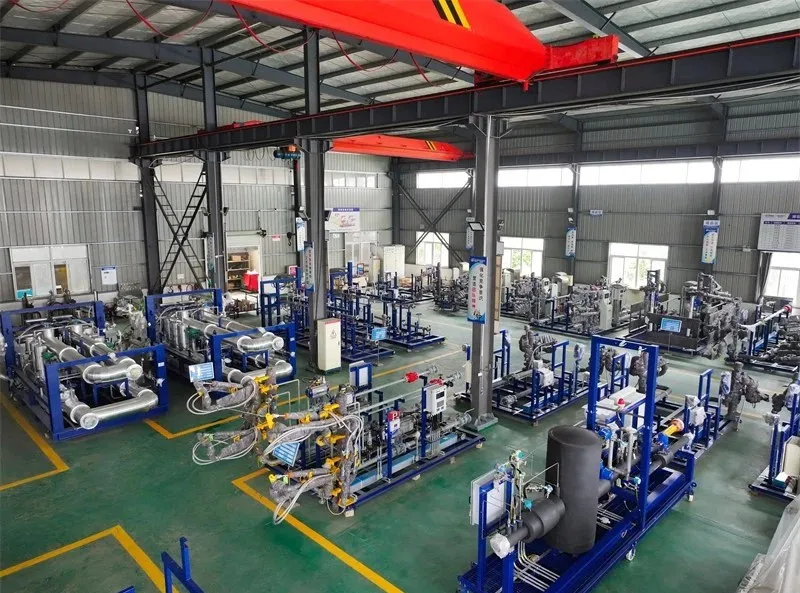
Shenzhen Liftora Arm Co., Ltd. is a professional manufacturer and engineering company specializing in the design, development, and production of advanced loading arm systems and fluid transfer solutions. Founded with a commitment to innovation, quality, and customer satisfaction, Liftora Arm has rapidly grown into a trusted partner for global energy, petrochemical, and industrial fluid handling projects. Our headquarters and manufacturing facilities in Shenzhen, China are equipped with modern production lines, precision fabrication tools, and rigorous testing equipment to ensure the consistent delivery of high‑performance products.
Through our dedicated focus on R&D, we offer turnkey solutions that minimize installation and commissioning periods while ensuring long-term operational performance under high-pressure, cryogenic, and corrosive environments.
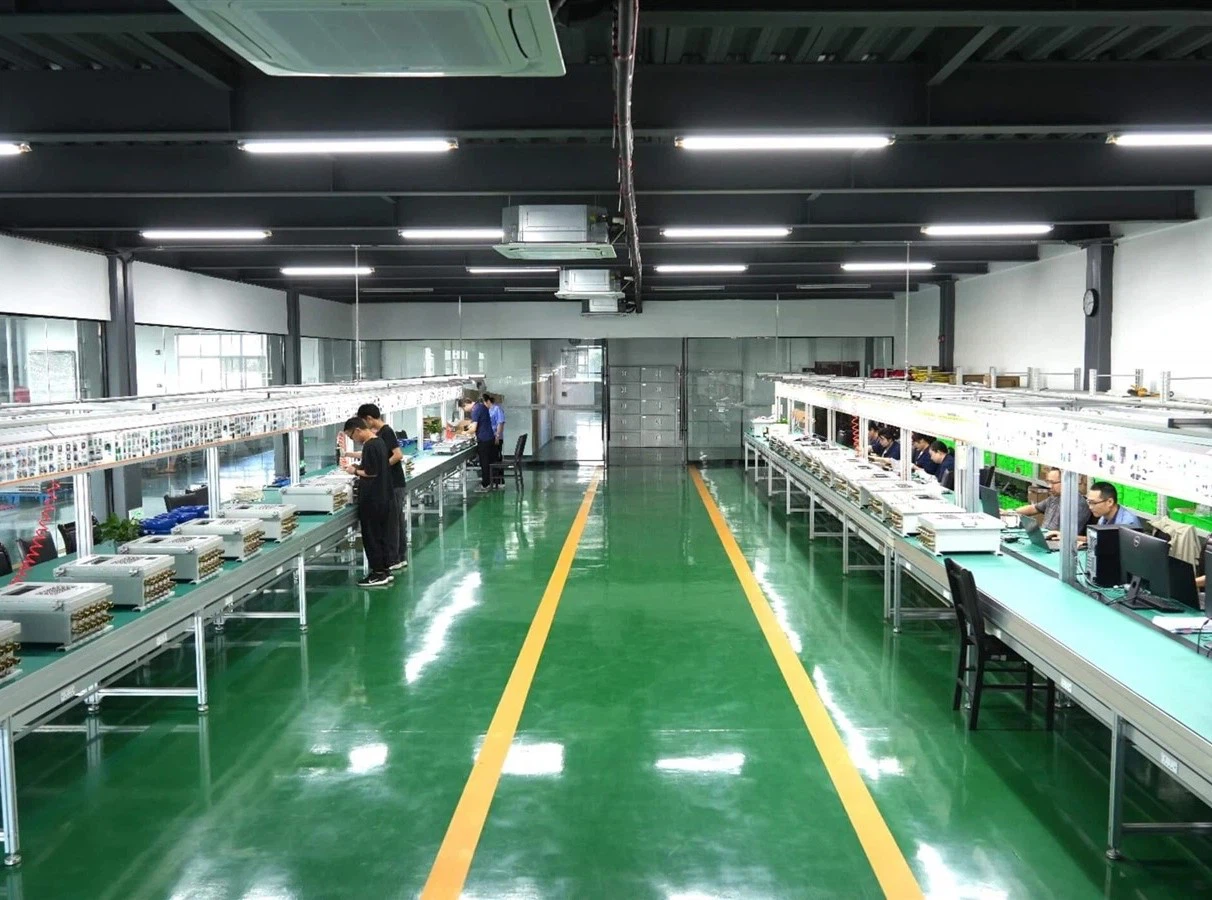
At Liftora Arm, we focus on the independent development and manufacturing of core components, enabling us to provide customers with robust marine loading arms, truck loading arms, and integrated metering skid systems tailored to diverse operating environments. Our comprehensive engineering service team collaborates closely with clients from initial concept through production and after‑sales support, ensuring cost‑effective solutions that meet stringent industry requirements. We adhere to international design and safety standards, and our products are engineered for durable performance, operational reliability, and ease of maintenance.
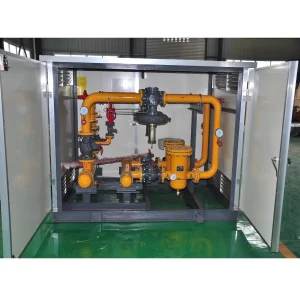
Our skid-mounted system integration pairs advanced flow computer technologies with high-accuracy Coriolis mass or positive displacement meters. By eliminating field piping fabrication complexity, our skids deliver plug-and-play installation for pipeline, marine, and terminal logistics networks.
Committed to responsive service and global reach, Shenzhen Liftora Arm Co., Ltd. offers timely technical support, fast online responses, and reliable after‑sales services to clients worldwide. With a growing network of partners and distributors, Liftora Arm has earned the trust of engineering companies, terminal operators, and major industrial customers across Asia, Europe, Africa, and the Americas. Driven by continuous innovation and a customer‑centric approach, we strive to deliver fluid handling equipment that enhances efficiency, safety, and operational excellence in every application.
The convergence of deep supply-chain integration, technological modernization, and structural engineering scalability makes China-based production the leading choice for global EPC contractors.
From primary foundry casting to high-end software programming for PLC-based flow controllers, China's industrial manufacturing clusters offer complete control over components. At Liftora Arm, this integration means we build key swivel joints, structural steel systems, and controls in-house, preventing global logistics delays and assuring component compatibility.
Engineering robust, explosion-proof components requires high labor expertise and precision machinery. Chinese manufacturing maintains significant cost-efficiencies by scaling production processes, utilizing automated CNC robotic milling, and integrating local material sourcing without sacrificing precision or safety compliance.
By shifting structural assembly, sensor integration, instrumentation, and wiring from the project site to our factory, we construct modular, pre-tested skids. This strategy mitigates construction risks in offshore terminals or remote pipeline environments, yielding rapid field startup timelines.
Decarbonization, digitization, and safety compliance are reshaping the landscape of midstream and downstream oil and gas distribution.
Environmental laws restrict fugitive emissions during liquid fuel transfer operations. Modern bottom loading systems are integrated with secondary vapor return paths that divert volatile organic compounds (VOCs) to Vapor Recovery Units (VRUs). High-accuracy metering measures both liquid inputs and returned vapor mass to establish precise billing offsets.
While positive displacement (PD) flowmeters remain common, Coriolis mass flow meters are becoming the industry standard. Because they measure mass directly rather than volume, they are unaffected by thermal fluid expansion, pressure variations, or changes in viscosity, making them ideal for heavy fuel oils, crude, and chemical dosing.
Industrial internet-of-things (IIoT) architectures allow operators to monitor live flow rates, batch volumes, densities, and alarms remotely. Flow computers equipped with Modbus, Profibus, or Ethernet IP connect directly to enterprise SCADA platforms, letting terminal managers evaluate truck throughput, detect pipeline leaks, and analyze system wear in real-time.
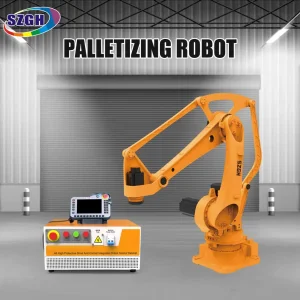
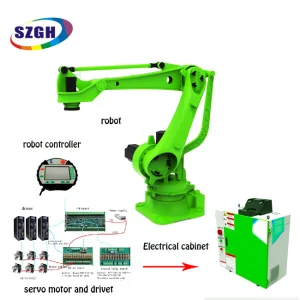
To mitigate human safety hazards in explosive loading bays, robotic articulated loading systems handle connection steps automatically. Utilizing multi-axis manipulation and vision tracking, loading interfaces are guided and coupled without requiring workers to enter high-risk zones, protecting personnel and increasing speed.
Different chemical compositions, temperatures, and scales require distinct design strategies. We offer optimized, purpose-built configurations for specialized fluid transfer projects.
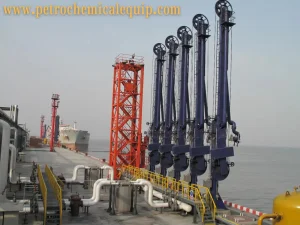
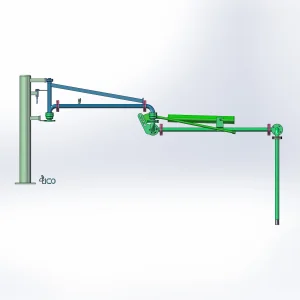
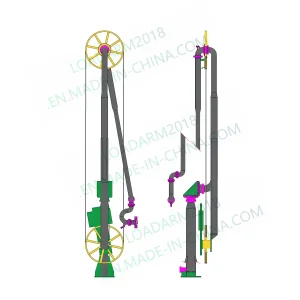
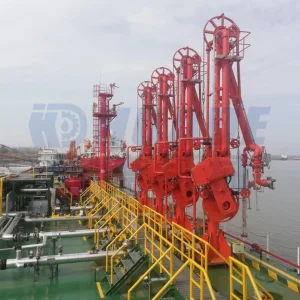
Ocean-going vessels demand loading and unloading systems capable of handling significant tidal ranges, high flow volumes, and corrosive marine conditions. Marine loading arms with integrated ladders, emergency release systems (ERS), and high-capacity metering skids guarantee reliable cargo transfers while minimizing spill risks.
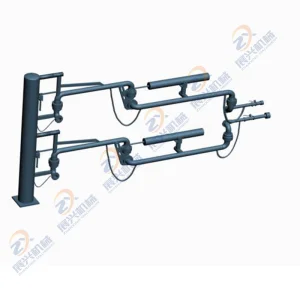
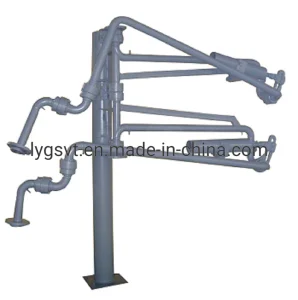
For high-frequency fuel distribution terminals, bottom-loading systems coupled with dual-pipe loading arms and vapor collection pipelines maximize site safety and flow rate. Integrated skids allow accurate fuel custody transfer measurement, batch control, and automated additives dosing inside compact footprints.
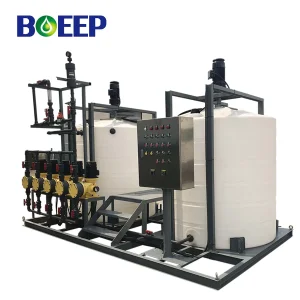
Corrosive acids, caustic sodas, and flocculation chemicals (like PAC) demand chemical dosing skids fabricated from corrosion-resistant alloys, PVC, or PVDF. High-precision positive displacement pumps and chemical-compatible flow monitoring systems ensure reliable dosing and process safety.
Navigating purchasing frameworks requires clear insight into quality standards, custom specifications, and regulatory frameworks.
When sourcing explosive-zone instrumentation, compliance is non-negotiable. Systems must carry certificates such as ATEX, IECEx, or UL/CSA for active electronic transmitters, junction boxes, and solenoid valves. Piping structures, flanges, and high-pressure joints must align with ASME B31.3 (Process Piping) or API 1104 welding standards to ensure structural integrity under pressure spikes.
Custody transfer applications mandate verification against metrological codes, including OIML R117 (International Organization of Legal Metrology) or API MPMS (Manual of Petroleum Measurement Standards). These certifications guarantee system measuring deviations remain within permitted tolerances (often ±0.15% to ±0.25%).
Reliable manufacturers provide systematic validation routines before delivery. This includes visual and dimensional audits, hydrostatic testing at 1.5 times design pressures, non-destructive testing (NDT) on load-bearing weld seams, loop checking of electronic sensors, and flow calibration verification using calibrated master meters or volumetric provers.
Technical answers to key engineering, integration, and procurement questions.
For custody transfer applications involving premium petroleum fuels, the metering system must adhere to strict international standards (OIML R117, API MPMS). Coriolis mass flow systems generally deliver measurement accuracy within ±0.15%, while positive displacement (PD) flowmeters achieve within ±0.2%. Non-custody transfer applications (e.g., process monitoring, additive dosing) can utilize sensors with slightly higher tolerances (±0.5%).
Bottom loading configurations offer distinct advantages over top loading. Sourcing bottom loading arms with vapor recovery lines significantly increases safety by keeping operators on ground level, avoiding fall hazards. In addition, bottom loading minimizes static electricity generation by feeding fuel from the lowest point, reducing the potential for explosions, while closed-loop vapor pipelines capture and recover volatile organic emissions.
Extremes in temperature require tailored structural design. In cold regions (down to -40°C), structural components require impact-tested low-temperature carbon steel (e.g., ASTM A333 Grade 6), heat-tracing, and specialized insulation to prevent liquid freezing or paraffin precipitation. High-temperature chemical processes (up to +200°C) demand specialized thermal expansion joints, high-grade PTFE seals, and heat dissipation fins for instruments.
Yes, Liftora Arm designs systems for specialized pressurized and cryogenic fluids. LPG requires pressurized loading components, such as the AL2543 loading arm, designed to handle high pressures. Cryogenic fluids (like LNG at -162°C) demand vacuum-jacketed pipelines, cryogenic swivel joints with dual PTFE seal packages, and automated emergency release systems (ERS) to safely isolate the lines in the event of vessel drift.
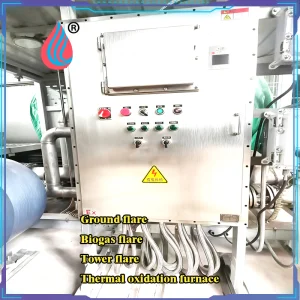
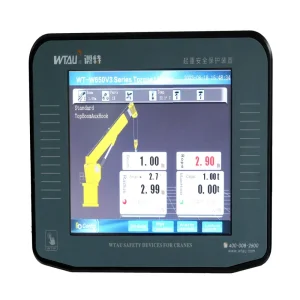
The PLC control cabinet acts as the automation brain of the metering skid. It receives high-frequency pulse inputs from flow meters, temperature transmitters, and pressure sensors, processing these variables via a flow computer to determine exact net and gross volumes. It interfaces with batch controllers, automated control valves, and grounding monitors, shutting down the pumps if it detects unsafe grounding conditions or volume overflows.
Every metering system we export is backed by comprehensive engineering files, including: General Arrangement (GA) drawings, Piping and Instrumentation Diagrams (P&IDs), ASME weld certifications, hydrostatic test reports, electrical loop check verification, calibration certificates, and ATEX/IECEx hazardous area compliance sheets. Custom documentation is available upon request during contract design stages.
Examine our complete industrial catalog, featuring loading arms, pressure regulation stations, chemical dosing units, and mobile refilling systems.
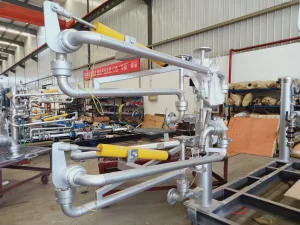
 Liftora Arm