Discover our primary heavy-duty loading arms, power cross structures, and advanced automated robotics engineered to deliver extreme reliability under harsh environments.
Within the highly regulated landscape of chemical handling, logistics, and bulk liquid transport, the performance of transfer hoses is not simply a matter of dynamic flow efficiency—it is a critical pillar of environmental containment and operational safety. As global supply chains face volatile operational environments, the demand for high-integrity Truck Chemical Transfer Hoses has reached an unprecedented scale.
Whether conveying volatile acids, corrosive alkalis, hydrocarbons, or cryogenic materials, industrial fluid systems require robust composite, elastomeric, and fluoropolymer-lined hoses designed to withstand dynamic high-pressure environments, extreme heat fluctuations, and intense structural strain during truck loading and unloading operations.
By implementing advanced multi-layered polymer technologies, manufacturers in China are spearheading a materials revolution, offering global procurement teams the exact combination of rigorous compliance, mechanical resilience, and favorable cost structures necessary to secure operations in critical markets.
Designed with state-of-the-art Ultra-High-Molecular-Weight Polyethylene (UHMWPE) and Polytetrafluoroethylene (PTFE) internal linings to resist over 98% of industrial chemicals, acids, and aggressive solvents without degradation.
Fully compliant with international mandates including EN 13765 (for composite hose assemblies) and EN 12115 (for rubber and plastics hoses), ensuring safe discharge practices and full electrostatic bonding.
Constructed with dual-layer high-tensile wire helix configurations (stainless steel or galvanized steel) to handle high pressure fatigue, minimizing vacuum collapse risks during severe tank truck discharge cycles.
Mapping the future of chemical logistics: How material science and environmental regulations redefine procurement priorities.
Traditional elastomeric chemical hoses are rapidly being replaced by advanced multi-layer composite and PTFE-lined variations. These materials offer superior aging characteristics, preventing chemical permeation and the dangerous cracking that occurs over repeated flexing. This transition ensures chemical purity during multi-cargo hauling runs.
With global mandates tightening around emissions during chemical loading and unloading, hoses are increasingly coupled with integrated vapor return systems. This ensures that harmful VOCs (Volatile Organic Compounds) are safely captured, requiring hoses to support dual-suction and pressure environments without physical distortion.
The integration of RFID and embedded temperature/stress sensors within hose assemblies is becoming the standard. Predictive analytics allow operations managers to retire assemblies based on actual wear data and cycle history, avoiding the catastrophic cost and safety hazards of on-site hose failure.
Static buildup during chemical transport is a leading cause of industrial flashfires. Modern truck transfer hose configurations require double-wire grounding structures where both the inner and outer metal helixes are securely connected to the end couplings. This provides a clear, reliable pathway to earth and complies with international safety directives for explosive atmospheres.
Fittings configurations are shifting away from manual field assembly to factory-crimped solutions. Procurement agencies now demand pre-tested, certified, and fully serialized hose lengths custom-terminated with matching Flanged, Camlock, or Dry Disconnect couplings to maximize out-of-the-box reliability.
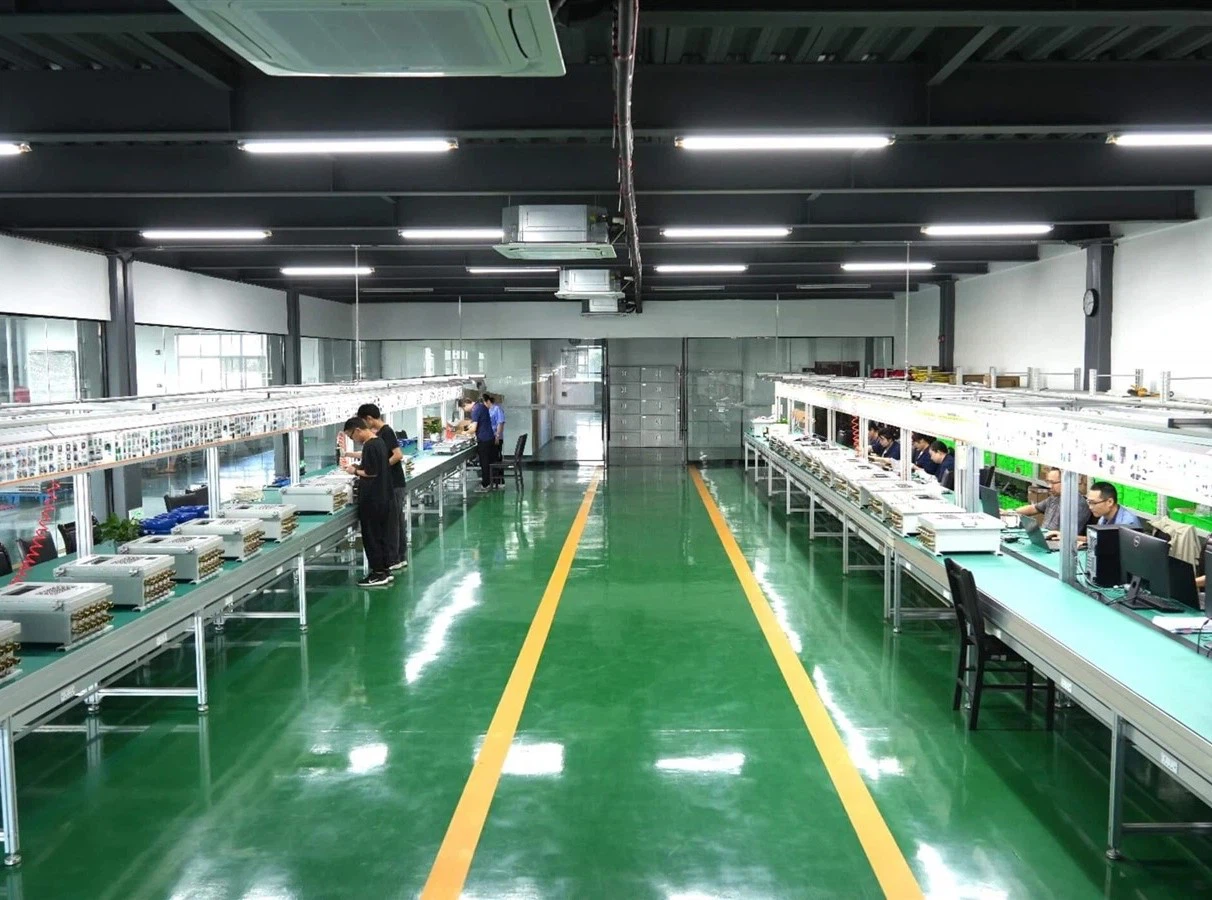
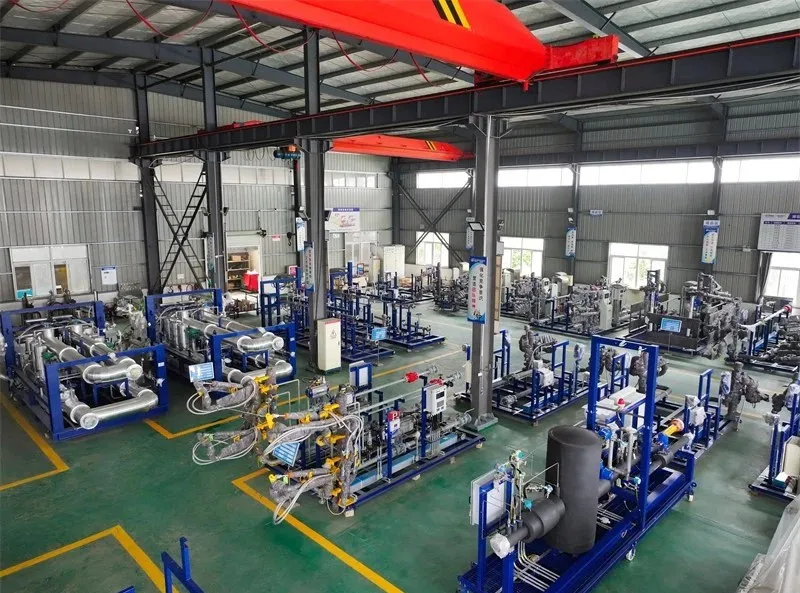
Shenzhen Liftora Arm Co., Ltd. is a professional manufacturer and engineering company specializing in the design, development, and production of advanced loading arm systems and fluid transfer solutions. Founded with a commitment to innovation, quality, and customer satisfaction, Liftora Arm has rapidly grown into a trusted partner for global energy, petrochemical, and industrial fluid handling projects. Our headquarters and manufacturing facilities in Shenzhen, China are equipped with modern production lines, precision fabrication tools, and rigorous testing equipment to ensure the consistent delivery of high‑performance products.
At Liftora Arm, we focus on the independent development and manufacturing of core components, enabling us to provide customers with robust marine loading arms, truck loading arms, and integrated metering skid systems tailored to diverse operating environments. Our comprehensive engineering service team collaborates closely with clients from initial concept through production and after‑sales support, ensuring cost‑effective solutions that meet stringent industry requirements. We adhere to international design and safety standards, and our products are engineered for durable performance, operational reliability, and ease of maintenance.
Committed to responsive service and global reach, Shenzhen Liftora Arm Co., Ltd. offers timely technical support, fast online responses, and reliable after‑sales services to clients worldwide. With a growing network of partners and distributors, Liftora Arm has earned the trust of engineering companies, terminal operators, and major industrial customers across Asia, Europe, Africa, and the Americas. Driven by continuous innovation and a customer‑centric approach, we strive to deliver fluid handling equipment that enhances efficiency, safety, and operational excellence in every application.
Assess material characteristics, chemical resistance ratings, and target applications to optimize your industrial procurement pipeline.
| Hose Construction Type | Inner Lining Material | Temperature Range | Max Working Pressure | Key Chemical Resistance Profiles | Typical Industrial Scenarios |
|---|---|---|---|---|---|
| Multi-Layer Composite Hose | Polypropylene / PTFE film barrier | -40°C to +100°C | 14 - 15 Bar (220 PSI) | Strong acids, aromatic hydrocarbons, fuel blends | Petroleum distribution, tank farm truck transfer |
| Heavy Duty Rubber Hose | EPDM / UHMWPE lining | -40°C to +120°C | 16 Bar (232 PSI) | Aggressive acids, alkalis, inorganic chemicals | Chemical manufacturing plant loading docks |
| PTFE Lined Stainless Braid | Virgin PTFE (Smooth or Convoluted) | -60°C to +200°C | 40 Bar (580 PSI) | Nitric/Sulphuric Acid, high-purity solvents | Pharmaceutical processing, extreme temp chemicals |
| Cryogenic Transfer Hose | Polyamide / Polyester films | -196°C to +80°C | 25 Bar (362 PSI) | Liquefied gases, LNG, Liquid Nitrogen, Ammonia | Sub-zero terminal loading and railcar offloading |
How our comprehensive fluid transfer components perform under real-world challenges.
High-frequency tanker loading calls for hoses that resist kinking, external abrasion, and constant pressure surges. Standardizing on composite chemical transfer hoses ensures rapid hookups, minimum friction loss, and total peace of mind during multi-shift operations.
Deep vertical reach and irregular track positioning place heavy shear stress on hose terminations. Using heavy-duty, reinforced flexible transfer assemblies equipped with integrated safety break-away couplings prevents environmental release incidents in the event of early railcar movement.
Seasonal delivery of concentrated fertilizers, pesticides, and anhydrous ammonia requires extreme chemical compatibility. Our UHMWPE-lined truck hoses resist aggressive agricultural reagents while maintaining elasticity in freezing winter conditions.
Expert technical insights to assist procurement officers and design engineers with fluid logistics planning.
Composite hoses are made from multiple layers of spiral-wrapped polymeric films and fabrics held together between internal and external wire helixes. This multi-layered design creates a labyrinth path that resists sudden catastrophic failure; if a layer fails, chemical seepage occurs slowly rather than a sudden burst. Rubber hoses rely on single-thick elastomeric walls reinforced with textile cord or steel wire. While rubber hoses can support higher physical abuse and dragging wear, composite hoses are generally lighter, more flexible, and offer much wider chemical compatibility because they can use thin, high-performance fluoropolymer films like PTFE.
To avoid dangerous static discharge in explosive chemical environments, chemical transfer hoses must provide a low electrical resistance pathway to dissipate static charges. In composite hoses, this is achieved by mechanically bonding both the inner and outer metal wires to the end couplings. During manufacturing, the wire wraps are exposed, clamped, and welded/soldered directly to the metal fittings. Our products are 100% tested for electrical continuity (resistance typically below 10 Ohms) to comply with international regulations such as EN 13765 and ATEX guidelines.
For high-purity applications, fluorinated ethylene propylene (FEP) or polytetrafluoroethylene (PTFE) linings are the industry standards. These materials are chemically inert, do not leach chemicals, and have ultra-smooth, non-stick internal profiles that prevent residue buildup and cross-batch contamination. Furthermore, they are easy to clean using CIP (Clean-in-Place) hot steam cycles.
The lifespan of a chemical transfer hose depends heavily on the chemical type, temperature, operating pressure, and frequency of use. We recommend hydrostatic pressure testing at 1.5 times the maximum working pressure at least once every 12 months. Hoses should be immediately retired if they exhibit outer wire corrosion, cover abrasion exposing reinforcement layers, cover blistering, local swelling, structural kinks, or coupling slippage.
Yes, absolutely. Our high-performance chemical transfer hoses are designed to integrate seamlessly with Shenzhen Liftora’s top and bottom loading arm systems. Hoses are commonly used as the flexible terminal connection between the rigid loading arm and the tanker manifold, accommodating the slight vehicle movement and height changes that occur during loading operations without stressing the piping joints.
Discover our comprehensive collection of LPG loading arms, heavy-duty supports, and automated robotic systems for high-throughput chemical sites.
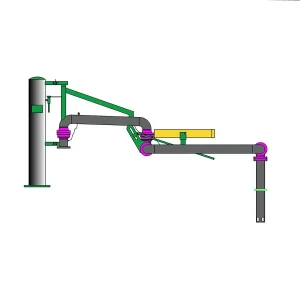
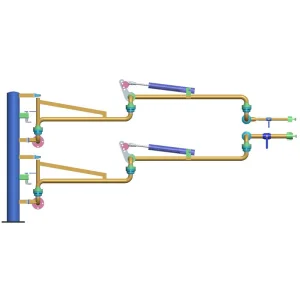
 Liftora Arm