Explore our core engineering catalog featuring advanced breakaway systems, high-integrity loading arms, and automated metering systems.
Setting the benchmark in high-integrity engineering, precision fabrication, and international quality alignment.
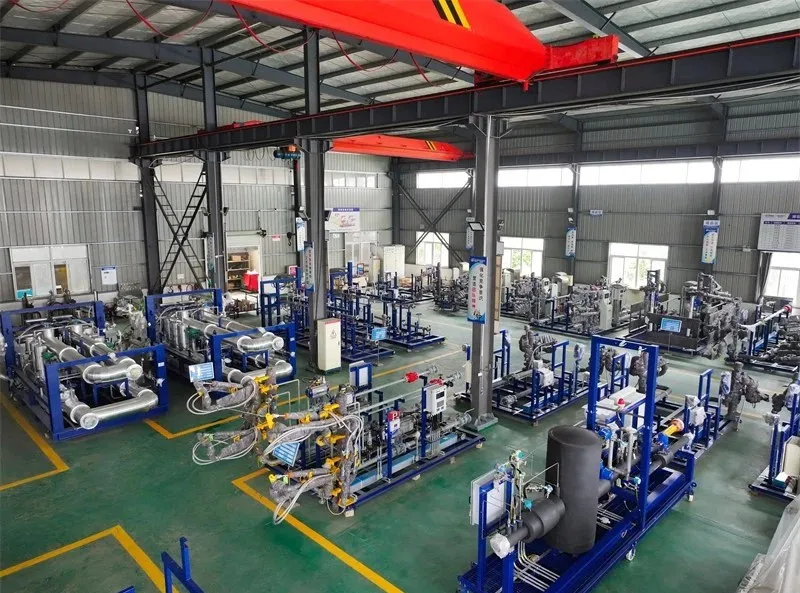
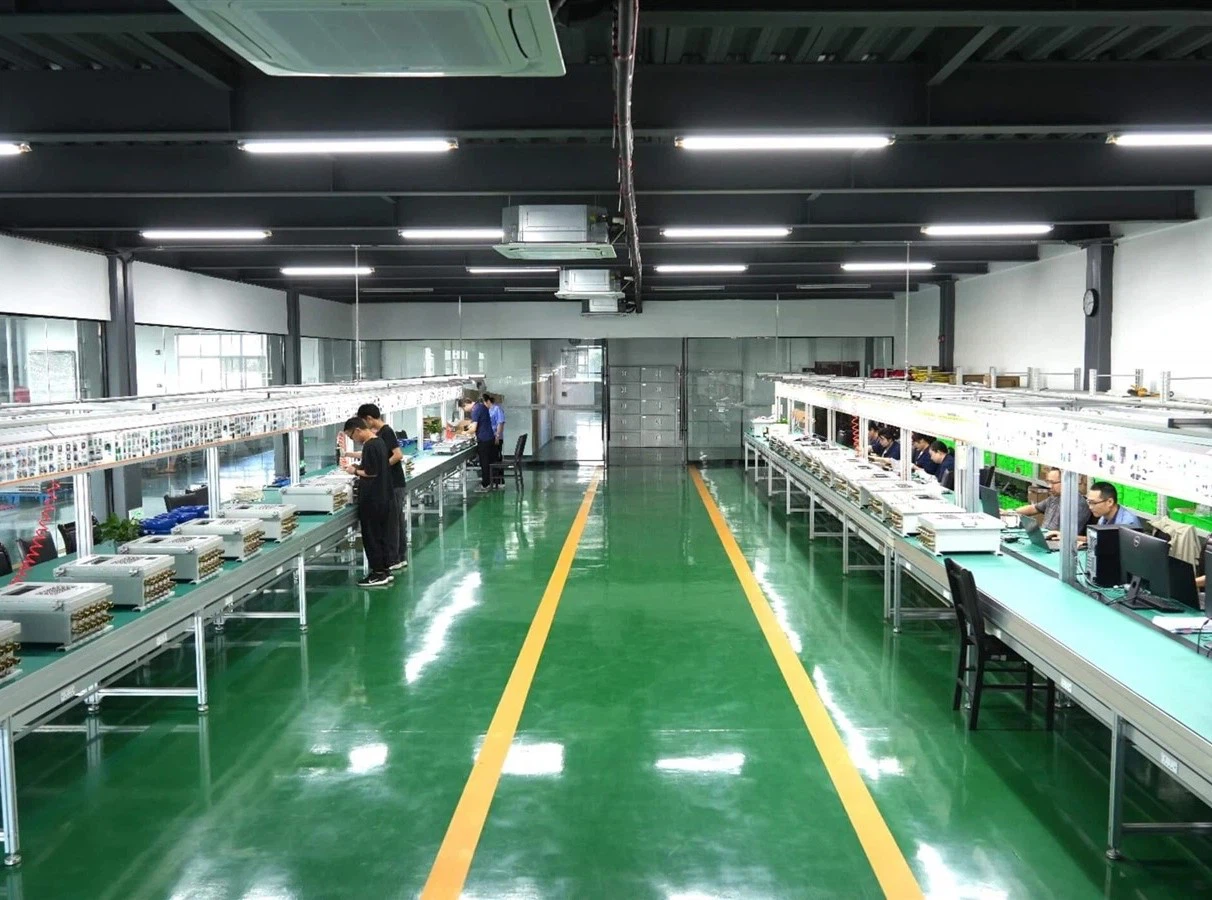
Shenzhen Liftora Arm Co., Ltd. is a professional manufacturer and engineering company specializing in the design, development, and production of advanced loading arm systems and fluid transfer solutions. Founded with a commitment to innovation, quality, and customer satisfaction, Liftora Arm has rapidly grown into a trusted partner for global energy, petrochemical, and industrial fluid handling projects. Our headquarters and manufacturing facilities in Shenzhen, China are equipped with modern production lines, precision fabrication tools, and rigorous testing equipment to ensure the consistent delivery of high‑performance products.
At Liftora Arm, we focus on the independent development and manufacturing of core components, enabling us to provide customers with robust marine loading arms, truck loading arms, and integrated metering skid systems tailored to diverse operating environments. Our comprehensive engineering service team collaborates closely with clients from initial concept through production and after‑sales support, ensuring cost‑effective solutions that meet stringent industry requirements. We adhere to international design and safety standards, and our products are engineered for durable performance, operational reliability, and ease of maintenance.
Committed to responsive service and global reach, Shenzhen Liftora Arm Co., Ltd. offers timely technical support, fast online responses, and reliable after‑sales services to clients worldwide. With a growing network of partners and distributors, Liftora Arm has earned the trust of engineering companies, terminal operators, and major industrial customers across Asia, Europe, Africa, and the Americas. Driven by continuous innovation and a customer‑centric approach, we strive to deliver fluid handling equipment that enhances efficiency, safety, and operational excellence in every application.
Understanding how high-performance ERC systems isolate hazard potentials during unexpected system disconnects.
An ERC integrates two interlocking ball valves. During normal operations, the valves remain locked in the open position to maximize flow rates and minimize pressure drops. In an emergency release sequence, both valves close synchronously via heavy-duty spring actuators before the coupling splits, preventing chemical spills.
We configure systems with either mechanical cable-release setups for land terminals or advanced hydraulic collar systems for marine applications. Automated hydraulic lines interface directly with the facility’s ESD (Emergency Shutdown) framework, triggering separations within fractions of a second.
For LNG (Liquefied Natural Gas) operations at temperatures down to -196°C, Liftora's ERC features special non-elastomeric polymeric lip seals and vacuum-insulated jackets to avoid thermal contraction leaks and guarantee mechanical separation functionality.
Analyzing key shifts toward environmental responsibility, digitalization, and functional safety standards.
Global infrastructure investments are heavily shifting towards liquefied hydrogen (LH2), liquid ammonia (NH3), and LNG. These medium-to-cryogenic temperature fluids demand specialized ERC systems with enhanced sealing properties to prevent runaway atmospheric emissions during loading operations.
Industrial IoT sensors are now integrated directly into ERC collars. Modern factories implement real-time tracking systems monitoring tension, temperature, pressure drop, and seal wear to predict maintenance cycles rather than relying on scheduled manual inspections.
With international oversight agencies increasingly auditing maritime terminals under zero-tolerance pollution standards, having certified breakaway and emergency release systems (conforming to EN 1474-3 and ISO 16904) is no longer optional—it is a critical mandate for operating licenses.
Architecting complete product ecosystems that optimize safety, control, and efficiency in scale operations.
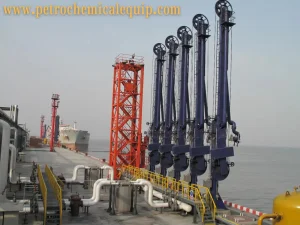
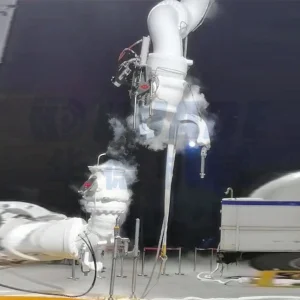
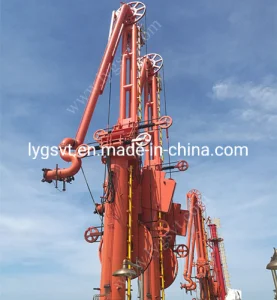
In heavy swell environments, marine terminals run a constant risk of ship drift. A sudden mooring failure can strain loading arms beyond their physical travel range. Liftora’s high-pressure LNG marine loading arms equipped with integrated ERC systems ensure immediate separation of the flow lines, stopping product flows and decoupling safely without spilling cargo or fracturing loading arm links.
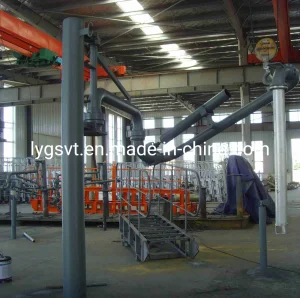
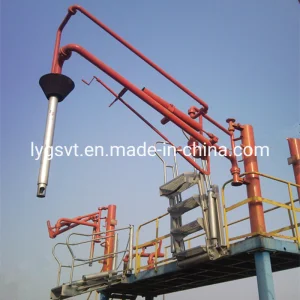
Human error during truck loading remains the leading cause of terminal accidents. Our top loading arms and LPG metering skids incorporate lightweight mechanical breakaway couplings. If a truck attempts to drive away while the arm is still locked in the manhole or flange, the breakaway bolts shear at a designed tensile load, snapping shut both sides of the dry-break coupling to contain the fluid.
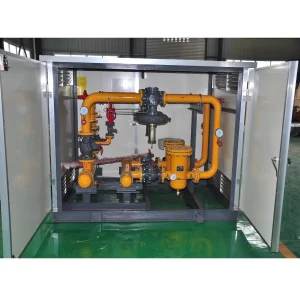
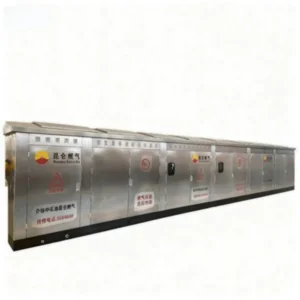
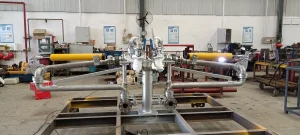
Connecting compressor stations, pressure regulating systems, and metering skids requires a holistic control loop. Liftora designs modular skids that coordinate with ERC valves. In the event of downstream overpressure or upstream emergency shutdowns, the control skid sends pneumatic or hydraulic signals directly to the ERC actuator, ensuring isolation before line rupture.
A look into the future of Liftora’s engineering laboratory and the next generation of safe fluid-handling systems.
Introduction of multi-layered PTFE composite lip-sealing solutions specifically engineered for liquid hydrogen transfer (-253°C). These seal materials minimize cold-flow deformation and ensure zero-leakage profiles over extended loading durations.
Deploying integrated sensor technologies within the locking ring collar assemblies. These sensors will broadcast real-time temperature, pressure, and lock alignment data to the centralized terminal control room via ATEX-certified wireless networks.
Engineering next-generation hydraulic release cylinders designed to achieve full-shutoff and physical separation in less than 0.3 seconds under maximum flow rate conditions, setting a new safety benchmark for deepwater offloading.
Ensuring global operators meet strict safety criteria with localized expert assistance and factory engineering audits.
Liftora loading arms and ERC coupling components are built in strict compliance with ISO 9001 quality systems. Our marine systems align with EN 1474-3 and ISO 16904 requirements. We offer certification documents including ASME Section VIII welding compliance, NACE MR0175/ISO 15156 sour gas material traces, and ATEX/IECEx certification for hazardous electrical installations.
Every ERC batch manufactured in our Shenzhen facility undergoes a battery of quality verification tests before shipment. This includes cryogenic leak testing, hydrostatic pressure tests up to 1.5 times the maximum working pressure, and functional separation tests under simulated mechanical tension loads.
To reduce risk during system installation, Liftora dispatch-ready engineers travel globally to supervise erection, test hydraulic release interfaces, calibrate mechanical tension release wires, and train operators in safe reset and maintenance protocols.
Answering high-level engineering questions regarding ERC selection, installation, and field operations.
Review the second part of our advanced industrial fluid handling and mechanical engineering catalog.
 Liftora Arm