In the era of Industry 4.0, fluid handling systems are no longer merely auxiliary components; they are the circulatory systems of global petrochemical, energy, and chemical supply chains. As global industrial demand shifts towards automation and environmental sustainability, the role of OEM fluid handling manufacturers has evolved from simple fabrication to complex, integrated systems engineering.
Current industrial trends indicate a massive pivot towards "Digital Twin" integration, where physical loading arms and skid systems are equipped with IoT sensors to predict maintenance cycles, preventing catastrophic failures before they occur. From Asia to the Americas, terminal operators are demanding equipment that adheres to stringent regional environmental regulations, such as vapor recovery systems, to minimize emissions during hazardous fluid transfers.
Shenzhen Liftora Arm Co., Ltd. stands at the intersection of traditional mechanical reliability and modern smart manufacturing. Our engineering philosophy is built on the E-E-A-T framework (Experience, Expertise, Authoritativeness, Trustworthiness).
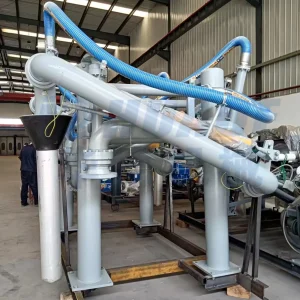
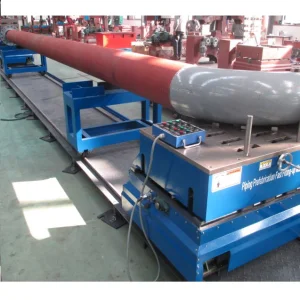
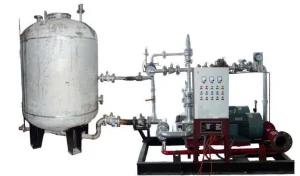
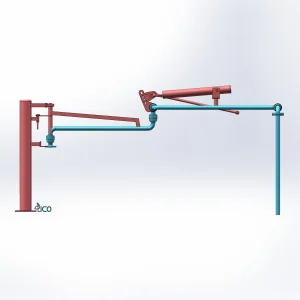
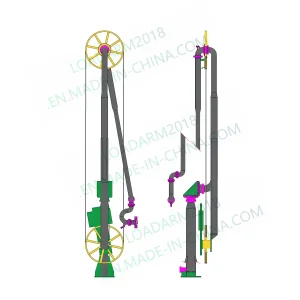
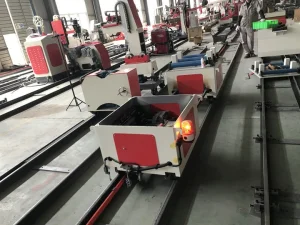
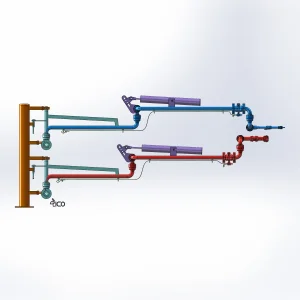
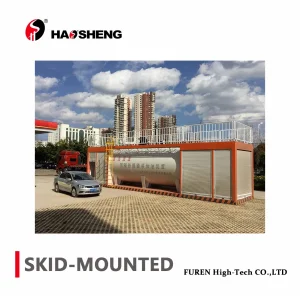
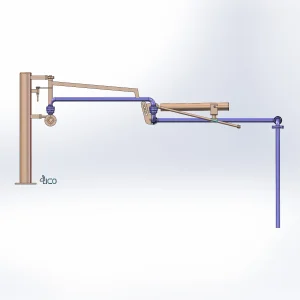
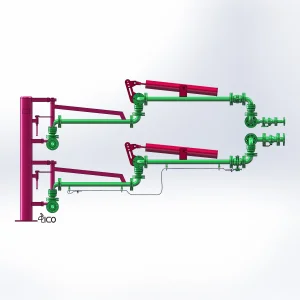
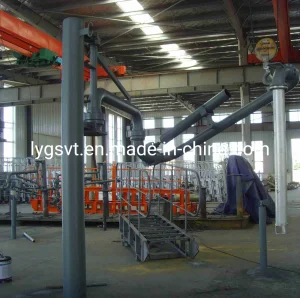
We do not just manufacture products; we engineer solutions. Our facility in Shenzhen, China, integrates CNC precision fabrication, rigorous material fatigue testing, and automated welding processes. This ensures that every marine loading arm or truck skid system we deploy is optimized for the specific viscosity, pressure, and temperature profiles of your operation. Whether handling crude oil, liquefied gases, or corrosive chemical agents, our systems provide the necessary safety margins to protect both assets and personnel.
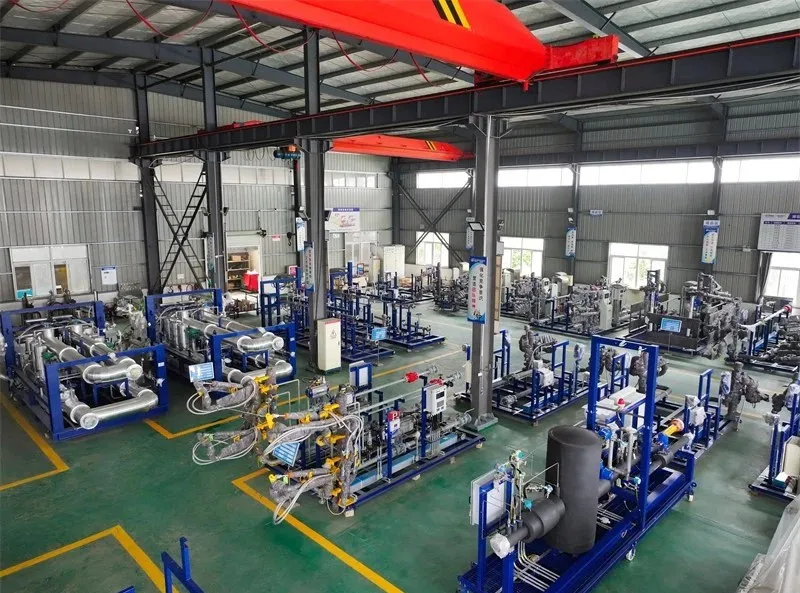
By controlling the entire lifecycle—from conceptual fluid dynamics modeling to final installation commissioning—we provide our partners with a level of transparency and quality control that is unmatched in the OEM sector. Our collaborative engineering teams work directly with your site managers to customize swivel joints, seal materials, and structural rigidity to match your unique operational site conditions.
The future of fluid handling lies in autonomous connectivity. Our roadmap focuses on three pillars:
We are actively developing robotic loading interfaces that remove the human operator from the danger zone entirely, utilizing AI-assisted vision systems for precise coupling and decoupling in complex logistics environments.
We recognize that global deployment brings localized challenges. Standards vary drastically from Europe's ATEX directives to North American API standards and Asian regional codes. Liftora Arm offers:
A: Our focus is on "Integrated Engineering." We don't just supply hardware; we provide the fluid dynamics calculations, material analysis, and site integration support to ensure the system is optimized for your specific throughput requirements.
A: Every design undergoes a rigorous internal verification process against ISO, API, and ATEX/IECEx standards. We provide full technical documentation and certification support to streamline your local facility inspection and licensing.
A: Absolutely. Our global service network includes 24/7 technical assistance and a dedicated spare-parts replenishment program to minimize downtime and ensure continuous operational reliability.
 Liftora Arm