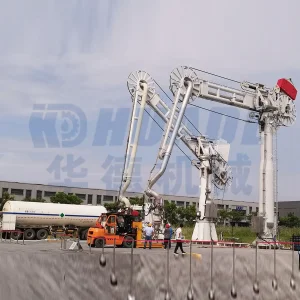
Precision engineered systems designed for critical fluid flow operations under extreme thermal and chemical conditions.
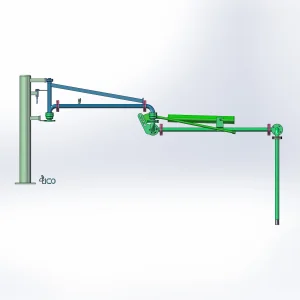
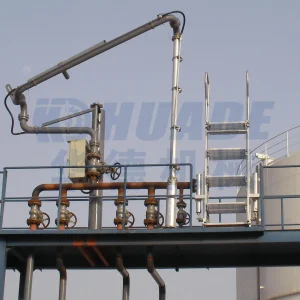
Global petrochemical, liquid gas, and chemical processing complexes rely heavily on high-precision fluid transfer arms to maintain uninterrupted supply chains. Historically, fluid loading and unloading processes relied on flexible hoses. However, as operating pressures increased, temperature ranges widened from cryogenic LNG levels (-196°C) to asphalt temperatures (+250°C), and safety regulations became more stringent, rigid metal articulated loading arms became the standard for modern tank terminals.
Today, fluid loading arms are not simply dynamic conduits; they are complex cyber-physical assemblies equipped with safety release couplers, hydraulic articulation systems, and vapor recovery systems. These elements ensure maximum prevention against environmental contamination, operational leakage, and worker hazard. A premium fluid loading system directly influences terminal turnaround efficiency, lowering operational costs and improving structural resilience under cyclic wind and water loading at marine interfaces.
Top-tier factories construct loading equipment in alignment with OCIMF (Oil Companies International Marine Forum) guidelines, ASME B31.3 process piping codes, and API 2510 design rules. This ensures that weldments, pressure tests, and material choices can withstand rigorous field inspection from safety bureaus worldwide.
In an era of zero-emissions mandates, closed-loop vapor recovery systems built directly into the overhead structure of loading arms are indispensable for captures of hazardous volatile organic compounds (VOCs) during chemical transfers.
Driven by automation, structural durability under cryogenic temperatures, and intelligent monitoring systems, the fluid transfer sector is evolving rapidly.
Manually positioning heavy loading arms onto chemical railcars or marine tankers carries inherent physical risks. High-safety industrial machinery is shifting toward robotic suspension arms. Utilizing 6-axis articulation and advanced sensing suites, these systems dynamically adjust to the movement of docked ships caused by tides and loading weight shifts, minimizing mechanical stress and preventing structural fatigue.
With global LNG demand soaring, marine loading arms must safely transfer liquids at cryogenic levels. Mechanical failure at these temperatures is catastrophic. This drives the development of advanced swivel joints with specialized spring-energized PTFE seals, triple-race ball bearings, and continuous nitrogen purge systems that prevent moisture ingress and freezing of joint components.
Rather than purchasing standalone loading arms, operators globally are transitioning to integrated custody transfer skids. These combine pressure regulation, metering, filter separators, and vapor capture directly onto a single modular structural base. This ensures plug-and-play field setup and guarantees component compatibility out of the box.
Procurement managers and EPC contractors don't just buy steel; they acquire risk mitigation, compliance, and life-cycle reliability.
When selecting fluid transfer equipment for multi-million dollar terminals, global companies evaluate factories on several core technical capabilities:
"A failure in a marine loading arm's swivel joint at an offshore platform or shore terminal can result in thousands of barrels of cargo spillage and millions of dollars in EPA fines and maritime cleanup operations. Material pedigree and testing reports are non-negotiable."
China's industrial landscape has transitioned from high-volume output to high-precision engineering under Industry 4.0 paradigms. Modern Chinese factories leverage complete domestic supply chains for steel production, precision forging, precision machining of swivel joints, and automated surface treatments (such as advanced hot-dip galvanizing and multi-coat marine-grade epoxy applications).
By keeping design, fabrication, testing, and shipping logistics in-house, top-tier manufacturers reduce lead times by up to 40% compared to Western counterparts, without compromising structural quality. Proximity to major global shipping terminals like the Port of Shenzhen allows for seamless transport of heavy, oversized structural modules directly to customer sites worldwide.
Shenzhen Liftora Arm Co., Ltd. is a professional manufacturer and engineering company specializing in the design, development, and production of advanced loading arm systems and fluid transfer solutions. Founded with a commitment to innovation, quality, and customer satisfaction, Liftora Arm has rapidly grown into a trusted partner for global energy, petrochemical, and industrial fluid handling projects. Our headquarters and manufacturing facilities in Shenzhen, China are equipped with modern production lines, precision fabrication tools, and rigorous testing equipment to ensure the consistent delivery of high‑performance products.
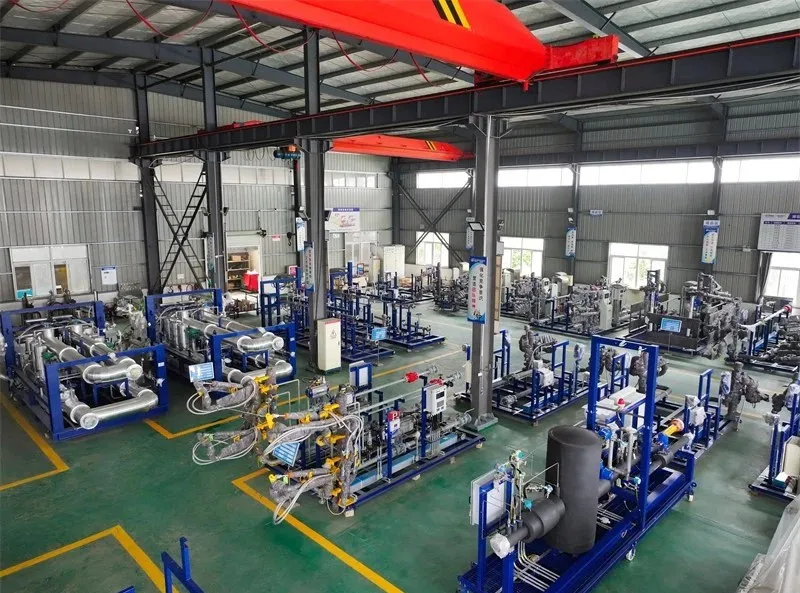
At Liftora Arm, we focus on the independent development and manufacturing of core components, enabling us to provide customers with robust marine loading arms, truck loading arms, and integrated metering skid systems tailored to diverse operating environments. Our comprehensive engineering service team collaborates closely with clients from initial concept through production and after‑sales support, ensuring cost‑effective solutions that meet stringent industry requirements. We adhere to international design and safety standards, and our products are engineered for durable performance, operational reliability, and ease of maintenance.
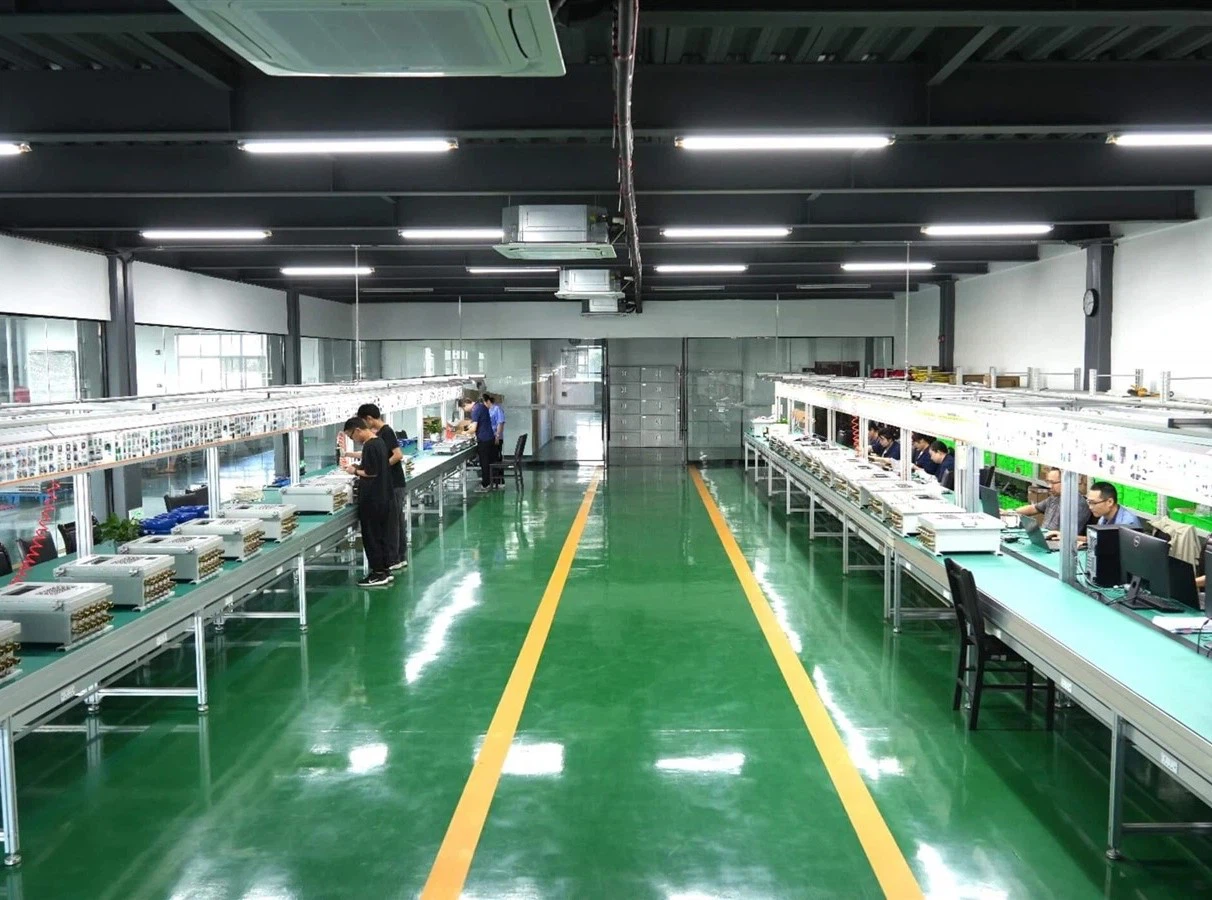
Committed to responsive service and global reach, Shenzhen Liftora Arm Co., Ltd. offers timely technical support, fast online responses, and reliable after‑sales services to clients worldwide. With a growing network of partners and distributors, Liftora Arm has earned the trust of engineering companies, terminal operators, and major industrial customers across Asia, Europe, Africa, and the Americas. Driven by continuous innovation and a customer‑centric approach, we strive to deliver fluid handling equipment that enhances efficiency, safety, and operational excellence in every application.
Different industries require specialized configurations to handle unique chemical, temperature, and physical challenges.
Offshore marine loading docks handle continuous ship motion from currents, waves, and cargo level changes. Strong Operating Pressure High-Pressure cryogenic arms feature hydraulic power units (HPU), wireless remote controls, and emergency release systems (ERC) to protect the terminal piping network if the vessel drifts beyond the operating envelope.
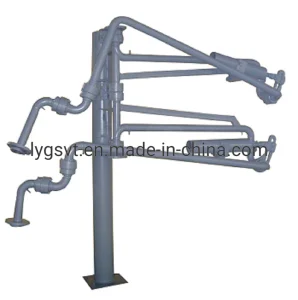
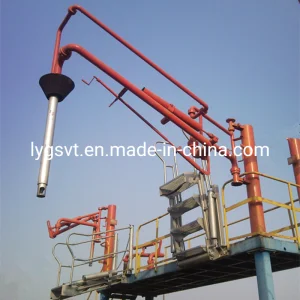
Top loading chemical systems face challenges from corrosive liquid droplets and toxic gas emissions. The AL1402 and AL1501 corrosion-resistant loading arms feature closed-loop vapor recovery lines, spring cylinder balancing for manual operation, and specialized chemical deflection cones to protect operators.
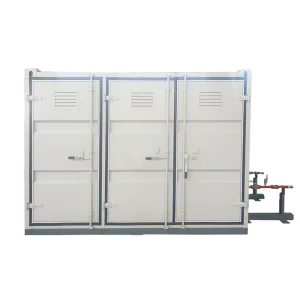
High-pressure natural gas distribution networks require pressure reduction and accurate measurement prior to fuel storage. PRMS (Pressure Regulating and Metering Skids) integrate filters, heat exchangers, regulation valves, and custody transfer flowmeters into single-point structures to manage fuel processing.
Answers to technical and engineering questions about loading arm design, selection, and operations.
The AL1402 and AL1501 designate specific structural configurations for land-based loading arms. Typically, the AL1402 is designed for top-loading applications with vapor return lines, utilizing a primary arm, secondary arm, and drop tube config. The AL1501 is optimized for bottom-loading chemical operations where fluid is pumped into the transport vessel from the ground level. Bottom-loading reduces risk of static buildup and increases speed, while top-loading is often favored for railcars with limited bottom valve access.
An ERC consists of two ball valves coupled together. If a docked marine vessel drifts beyond the safe operational movement limits of the loading arm, hydraulic actuators rapidly close both ball valves (isolating the fluid on both the ship side and land side) and physically separate the coupling. This double-block design prevents environmental contamination and structural damage to the piping network.
Vapor recovery systems capture volatile organic compounds (VOCs) and toxic vapors displaced during the loading of tankers. By connecting a dedicated vapor return line from the tanker dome back to a gas recovery system on the loading platform, harmful fumes are contained. This complies with strict environmental standards (such as EU Stage II regulations and US EPA guidelines) and protects terminal operators from inhalation risks.
Prior to shipment, quality control procedures include: 1) Helium leak testing for high-vacuum and cryogenic systems, 2) Hydrostatic pressure testing at 1.5 times the design operating pressure, 3) 360-degree rotational testing of swivel joints under load to verify torque values, and 4) NDT (Radiographic or Ultrasonic) testing of structural weld joints. Full material traceability reports (EN 10204 3.1) are standard.
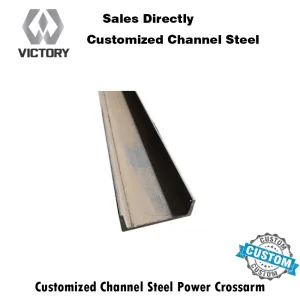
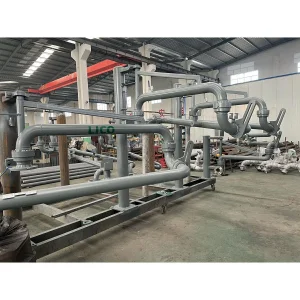
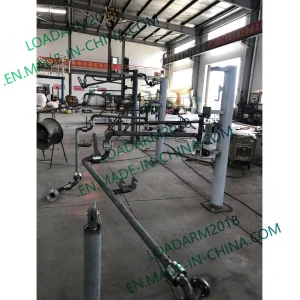
Custom engineering solutions designed to support high-safety industrial infrastructure and heavy load distribution networks.
 Liftora Arm