Analyzing the risk parameters, mechanical stress demands, and regulatory environments governing marine berths and offloading terminals globally.
Jetty operations operate under some of the most unforgiving environmental and physical conditions on earth. Serving as the primary interface between maritime vessels and onshore terminal systems, a jetty access ladder is not merely a utility; it is a safety-critical structure. Whether deployed for routine marine surveys, crew transfers, or emergency evacuations at liquid gas and petrochemical terminals, these access systems must maintain flawless structural integrity while undergoing constant marine exposure, tidal fluctuations, dynamic wind forces, and heavy mechanical impacts.
As international maritime traffic expands and logistics operations demand faster vessel turnaround times, terminal operators are prioritizing safety frameworks. The deployment of premium jetty access ladders guarantees that boarding, inspection, and maintenance procedures remain seamless. This minimization of mechanical downtime directly translates to reduced demurrage rates and improved commercial output for modern port operators.
Corrosion Resistance Class
Design Standard Compliance
Typical Operational Lifespan
Structural Failure Tolerances
Uncompromising structural material options that prevent stress-corrosion cracking and withstand severe salt spray.
Offering an exceptional strength-to-weight ratio, 6082-T6 aluminum alloys are highly favored for moving or telescoping jetty access ladders. Its native oxide layer provides exceptional resistance to atmospheric marine environments, decreasing structural fatigue and lower handling loads.
For chemical-rich marine environments and LNG terminals, 316L (low carbon) stainless steel remains the gold standard. Resistant to pitting and crevice corrosion in seawater, it maintains extreme mechanical integrity even when exposed to low temperatures during cryogenic cargo transfers.
Providing heavy-duty, highly cost-effective solutions for static vertical jetty ladders. Executed strictly in accordance with ISO 1461, the hot-dip galvanizing process creates a sacrificial zinc coating that blocks rust, extending active operations for up to 30 years without replacement.
| Material Standard | Yield Strength (MPa) | Corrosion Mechanism Suitability | Primary Marine Application Area |
|---|---|---|---|
| Aluminum Alloy 6082-T6 | ≥ 260 MPa | Excellent (Atmospheric salt mist, neutral pH) | Telescoping platforms, Gangways, Pivoting marine ladders |
| Stainless Steel 316L (1.4404) | ≥ 220 MPa | Superior (Direct seawater splash, chemical vapors) | Splash-zone vertical ladders, petrochemical jetty access |
| S355JR Carbon Steel (ISO 1461) | ≥ 355 MPa | Very Good (Sacrificial zinc barrier protection) | Heavy structural frames, main guide columns, support brackets |
A trusted global manufacturer in fluid transfer systems and auxiliary terminal access solutions.
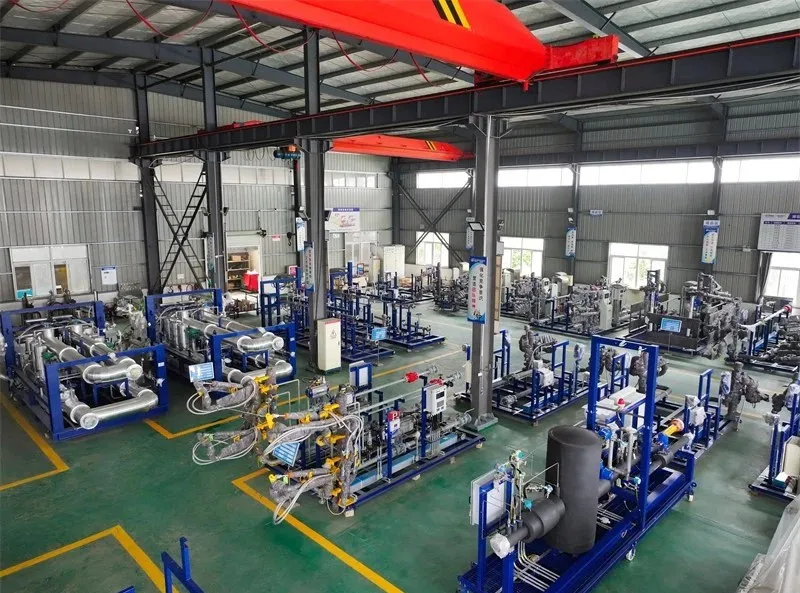
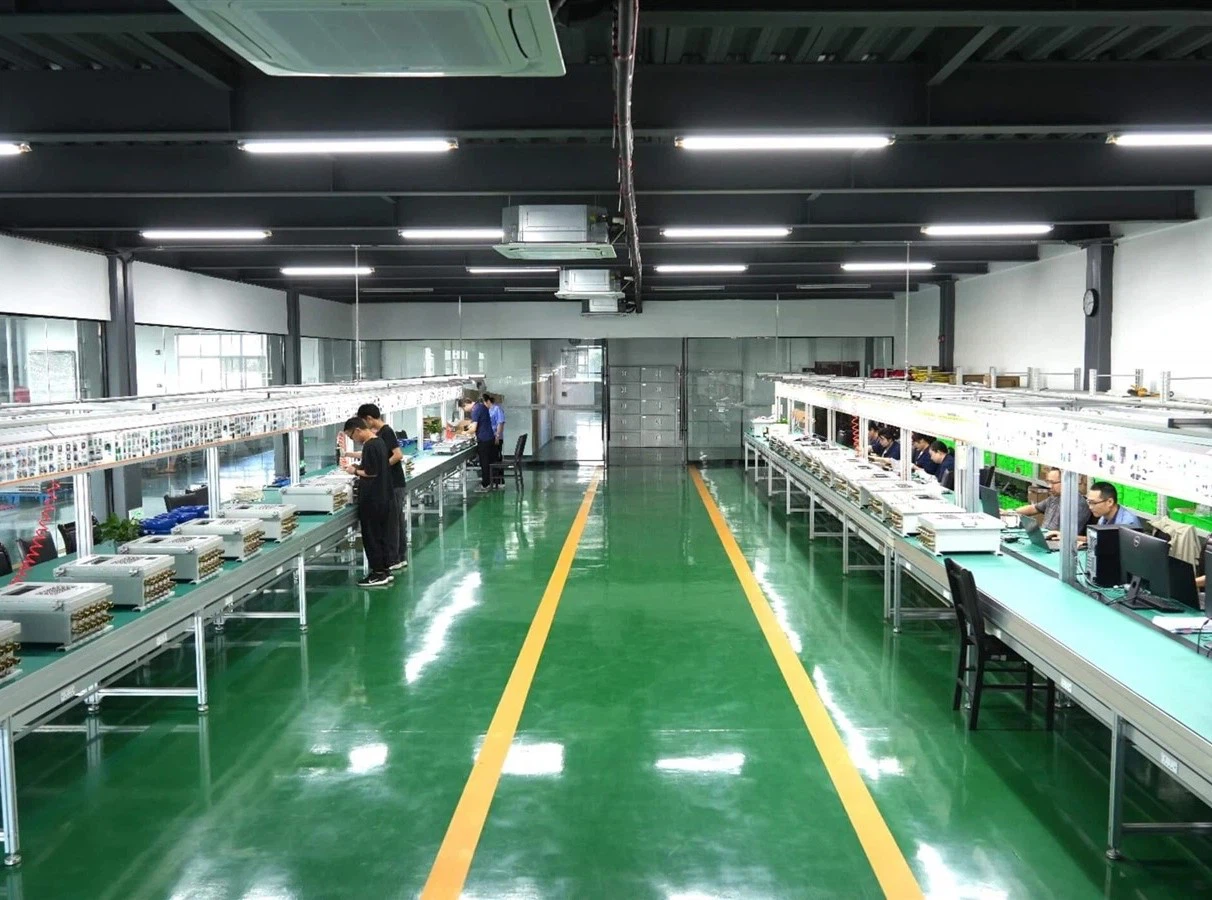
Shenzhen Liftora Arm Co., Ltd. is a professional manufacturer and engineering company specializing in the design, development, and production of advanced loading arm systems and fluid transfer solutions. Founded with a commitment to innovation, quality, and customer satisfaction, Liftora Arm has rapidly grown into a trusted partner for global energy, petrochemical, and industrial fluid handling projects. Our headquarters and manufacturing facilities in Shenzhen, China are equipped with modern production lines, precision fabrication tools, and rigorous testing equipment to ensure the consistent delivery of high‑performance products.
At Liftora Arm, we focus on the independent development and manufacturing of core components, enabling us to provide customers with robust marine loading arms, truck loading arms, and integrated metering skid systems tailored to diverse operating environments. Our comprehensive engineering service team collaborates closely with clients from initial concept through production and after‑sales support, ensuring cost‑effective solutions that meet stringent industry requirements. We adhere to international design and safety standards, and our products are engineered for durable performance, operational reliability, and ease of maintenance.
Committed to responsive service and global reach, Shenzhen Liftora Arm Co., Ltd. offers timely technical support, fast online responses, and reliable after‑sales services to clients worldwide. With a growing network of partners and distributors, Liftora Arm has earned the trust of engineering companies, terminal operators, and major industrial customers across Asia, Europe, Africa, and the Americas. Driven by continuous innovation and a customer‑centric approach, we strive to deliver fluid handling equipment that enhances efficiency, safety, and operational excellence in every application.
Ensuring compliance with structural safety, mechanical integrity, and international port accessibility regulations.
To qualify as a "top trusted supplier," structural engineering and safety regulations are not optional parameters. Every jetty access ladder must satisfy distinct criteria set by regional port authorities and international marine certification bodies. Liftora systems and associated access solutions are engineered using advanced Finite Element Analysis (FEA) to confirm safety factors and resist stress under heavy loads, high winds, and structural vibration.
1. Anti-Slip Rung Profiles: Using serrated flat bar profiles or diamond-grit textured channels that prevent slips even when wet with salt water or coated with residual oil.
2. Integrated Fall Protection Systems: Vertical fall-arrest tracks or cable lifelines (such as 316 stainless steel cable systems) integrated directly along the center of the ladder structure, allowing workers to attach safety harnesses.
3. Retractable Handrails and Exit Gates: Self-closing safety gates at the top of the ladder prevent falls from elevated jetty platforms, while custom telescopic handrails allow safe stepping transitions.
Tailoring safety ladder designs to match regional tidal variations, terminal architectures, and cargo requirements.
In ports with vertical tidal shifts exceeding 10 meters (e.g., regions like the North Sea or parts of the Canadian coastline), static ladders are insufficient. Dynamic, telescoping, or pivoting ladders are designed with articulating joints to adapt seamlessly to varying draft heights and tide changes, keeping the boarding path safe.
For liquid gas and petrochemical transfer terminals, electrical conductivity and spark-resistance are paramount. Ladders deployed here must feature spark-proof non-ferrous construction (such as high-grade aluminum) and comprehensive grounding connections to prevent electrostatic discharges in explosive ATEX/IECEx atmospheres.
Offshore substations and wind turbine foundations require ladders that endure continuous splash zones. These structures leverage super duplex stainless steels or heavy composite materials coupled with custom impact bumpers to withstand service vessel docking pressures.
How access systems integrate with marine loading arms and auxiliary terminal equipment for safe operations.
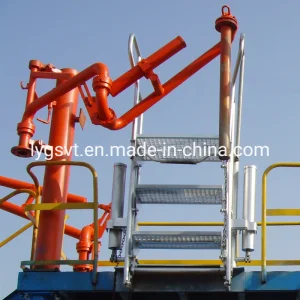
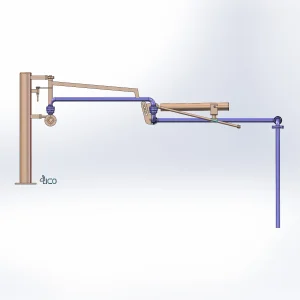
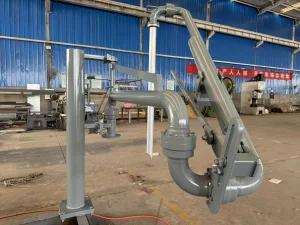
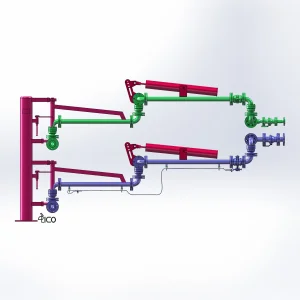
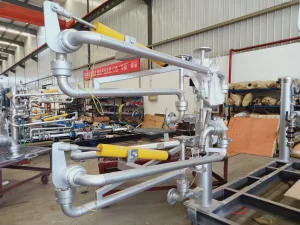
A jetty access ladder is part of a larger marine fluid transfer ecosystem. When a vessel docks, it requires simultaneously aligning marine loading arms (for example, Liftora’s LNG, LPG, or chemical arms) and establishing safe gangway access. Any misalignment or failure in either system presents immediate safety hazards and operational bottlenecks.
Using integrated controls, some advanced terminals link the deployment of telescoping jetty ladders with the operation of loading arms. If a vessel shifts beyond its safe operating envelope, automated alarms are triggered across both the fluid transfer lines and the crew access structures. This unified approach guarantees that quick-connect couplers and emergency release systems (ERS) function in sync with crew evacuation procedures, providing maximum safety during high-risk transfer routines.
Future-proofing port infrastructures through structural health monitoring, automated deployment, and composite materials.
Future jetty ladders will incorporate strain gauges and load cells. These sensors stream real-time data to port operators, detecting structural deformation, heavy impact damage, and tracking maintenance schedules based on material fatigue rates.
By connecting to local tide sensors and ship tracking systems, future access systems will automatically self-adjust. This ensures the ladder remains at the safest angle without manual intervention, reducing terminal labor overheads.
Fiber-reinforced polymers (FRP) are emerging as alternatives to traditional metals in specialized configurations. Unaffected by salt-water spray and acidic vapors, FRP reduces long-term maintenance costs and structural weight.
Answering key engineering, installation, and procurement questions related to Jetty Access Safety.
 Liftora Arm