Explore our core engineering catalog, designed for extreme durability, optimized recovery rates, and critical compliance at sea and onshore ports.
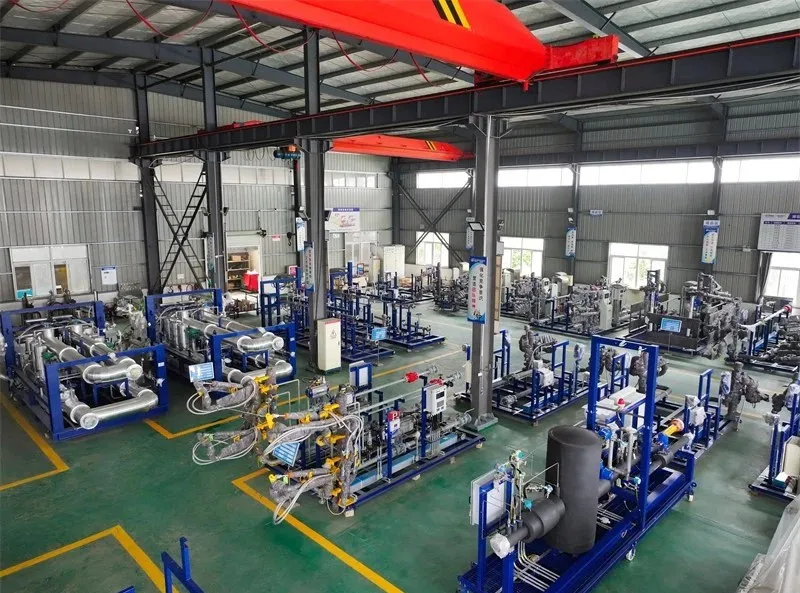
Shenzhen Liftora Arm Co., Ltd. is a professional manufacturer and engineering company specializing in the design, development, and production of advanced loading arm systems and fluid transfer solutions. Founded with a commitment to innovation, quality, and customer satisfaction, Liftora Arm has rapidly grown into a trusted partner for global energy, petrochemical, and industrial fluid handling projects. Our headquarters and manufacturing facilities in Shenzhen, China are equipped with modern production lines, precision fabrication tools, and rigorous testing equipment to ensure the consistent delivery of high‑performance products.
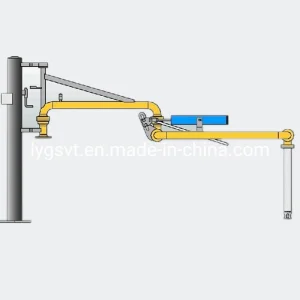
At Liftora Arm, we focus on the independent development and manufacturing of core components, enabling us to provide customers with robust marine loading arms, truck loading arms, and integrated metering skid systems tailored to diverse operating environments. Our comprehensive engineering service team collaborates closely with clients from initial concept through production and after‑sales support, ensuring cost‑effective solutions that meet stringent industry requirements. We adhere to international design and safety standards, and our products are engineered for durable performance, operational reliability, and ease of maintenance.
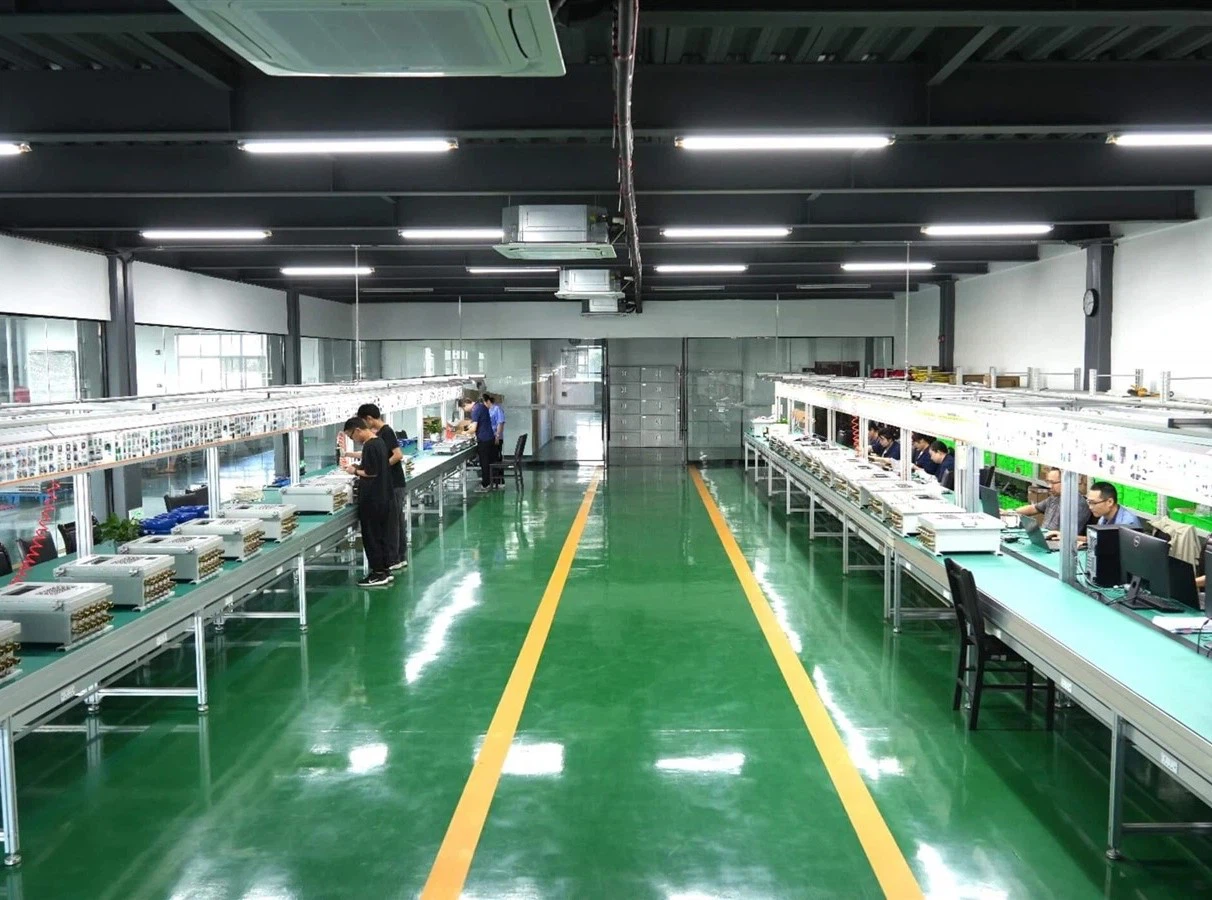
Committed to responsive service and global reach, Shenzhen Liftora Arm Co., Ltd. offers timely technical support, fast online responses, and reliable after‑sales services to clients worldwide. With a growing network of partners and distributors, Liftora Arm has earned the trust of engineering companies, terminal operators, and major industrial customers across Asia, Europe, Africa, and the Americas. Driven by continuous innovation and a customer‑centric approach, we strive to deliver fluid handling equipment that enhances efficiency, safety, and operational excellence in every application.
By keeping core metallurgy, machining of triple-track swivel joints, and software programming of emergency shutdown systems (ESD) in-house, we eliminate standard single-point failure vectors typical of outsourced OEM channels. This complete horizontal integration ensures predictable lead times, 100% material traceability (MTRs), and full compliance with API, ASME, and OCIMF guidelines.
Strategic analysis of modern maritime terminals, volatile chemical processing, and clean energy storage demands.
Modern berths deal with aggressive media including pure anhydrous ammonia, liquefied sulfur, and cryogenic ethylene. Our specialized chemical loading lines integrate corrosion-resistant PTFE linings, Hastelloy bellows, and specialized seal matrices to eliminate emissions risks.
As the international transition to liquefied natural gas gathers momentum, terminals require loading equipment that remains safe at -162°C. We design specialized LNG marine arms featuring cryogenic double-ball swivel joints and ultra-reliable Emergency Release Couplers (ERC).
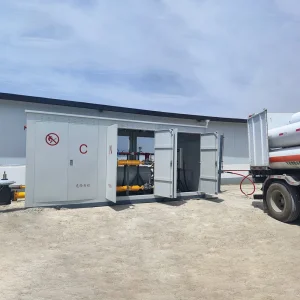
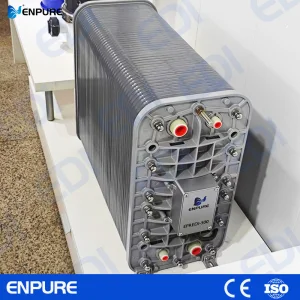
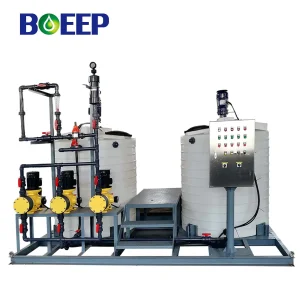
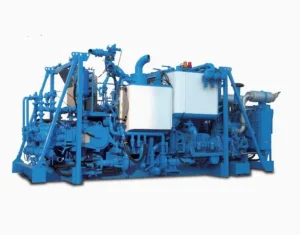
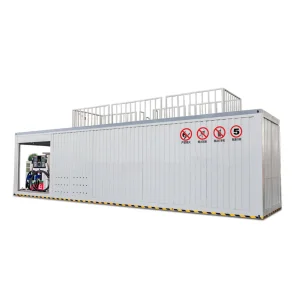
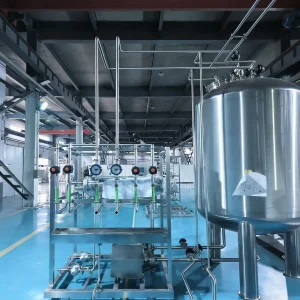
EPC contractors are moving away from piecemeal on-site assembly. Liftora's factory-tested skid structures—such as PRMS, gas conditioning units, and seawater desalination packages—guarantee faster installation, lowering civil installation budgets significantly.
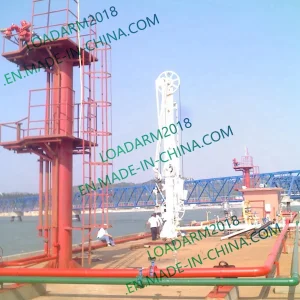
Our loading equipment incorporates precision mechanical features developed to withstand high tidal shifts, wave surges, and corrosive marine conditions.
Equipped with primary, secondary, and tertiary leak-detection ports to monitor structural seal integrity in real time.
A mechanically robust counterweight arrangement minimizes deadweight loading on the ship's manifold flange connection.
In-house designed double ball valves isolate pipeline pressure and release the arm without fluid escape during drift emergencies.
| Nominal Diameter | 2" (DN50) to 20" (DN500) |
| Design Pressure | CL150, CL300, CL600 (up to 100 Bar) |
| Temperature Range | -196°C (LNG) to +250°C (Bitumen) |
| Structural Materials | A333 Gr.6, SS316L, Duplex, Hastelloy |
| Balancing System | Rotary Counterweight / Hydraulic |
| Compliance Approvals | OCIMF, CE-PED, ATEX, IECEx, ASME B31.3 |
Our ongoing contribution to safety and operational continuity across global marine terminals and production hubs.
Evaluating custom OEM designs, rigorous structural testing, and regulatory requirements in modern marine liquid transfer.
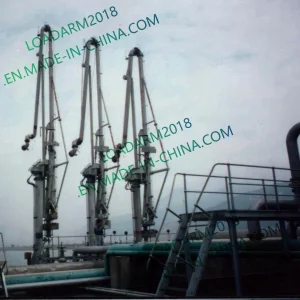
Transferring liquids between onshore storage installations and transport ships requires robust, flexible piping arrangements. Factors like tidal swings, wind loads, and ship motion must be accommodated without stress concentrations on the pipe network. Marine loading arms resolve these variables through a multi-degree-of-freedom structure featuring dynamic swivel joints and precision-configured counterweights.
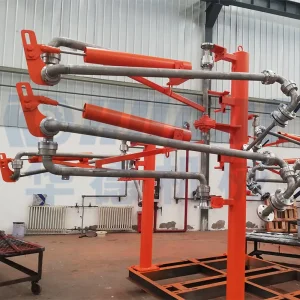
Unlike flexible hoses, rigid loading arms offer longer service life, higher pressure ratings, and safer emergency release capabilities. Minimizing load forces at the connection manifold prevents mechanical damage, leakage, and unplanned shutdowns.
The swivel joint is the critical point of rotation within the loading arm. It must maintain a leak-free seal under simultaneous bending, axial, and radial loads. We machine our swivel joints using advanced CNC tooling, building in double or triple-track ball bearing channels to distribute loads evenly.
For chemical and cryogenic applications, our seal configurations employ virgin and carbon-filled PTFE materials, back-loaded by corrosion-resistant Spring Energizers. Integrated monitoring ports between the primary and secondary seals provide early detection of wear, allowing planned maintenance before leakage can occur.
Larger terminal installations utilize hydraulic power units (HPUs) to control marine arm movement, particularly during connection and retraction cycles. We integrate hydraulic positioning controls to manage the outboard arm assembly, reducing manual handling risks.
An optional Quick Connect/Disconnect Coupler (QCDC) simplifies terminal operations by securing the arm to the ship’s manifold flange via hydraulically operated jaws. This system cuts connection times from hours to minutes, reducing crew fatigue and maximizing port throughput.
Operating in hazardous zones requires compliance with global safety standards. Our engineering team designs equipment in strict accordance with the *Design and Construction Specifications for Marine Loading Arms* (OCIMF). Non-destructive testing (NDT), including ultrasonic, radiographic, and dye penetrant inspection, is performed on all structural welds.
For cryogenic applications, we conduct cryogenic testing using liquid nitrogen to confirm seal performance at design temperatures. Every loading arm undergoes hydrotesting at 1.5 times the maximum design pressure prior to shipping, ensuring full field reliability.
Technical guidance from Liftora's engineering department regarding marine loading arms and modular process skids.
Explore our extended range of material handling robot arms, modular fuel skids, and LPG handling solutions.

 Liftora Arm