As the global maritime energy matrix rapidly shifts toward decarbonization under International Maritime Organization (IMO) 2030/2050 directives, Liquefied Natural Gas (LNG) has emerged as the premier transition fuel. Transporting and transferring LNG at its boiling point of -162°C (-260°F) requires fluid transfer architecture engineered with absolute structural integrity, extreme thermal resilience, and zero-leakage security. Traditional rigid loading arms often encounter operational bottlenecks during offshore ship-to-ship (STS) bunkering, floating storage regasification unit (FSRU) handling, and harsh-environment marine transfers due to swell, wave-induced dynamic motion, and spatial constraints.
Flexible Marine LNG Transfer Hoses—available in multi-layer composite and vacuum-insulated stainless steel metallic configurations—represent the pinnacle of modern cryogenic fluid handling. Designed under strict compliance with EN 1474-II, ISO 20519, and SIGTTO guidelines, these advanced hose systems deliver unparalleled flexibility, high fatigue resistance, and rapid deployment capabilities. As an industry-leading OEM/ODM manufacturer, Shenzhen Liftora Arm Co., Ltd. bridges cutting-edge cryogenic material engineering with cost-effective Chinese manufacturing precision to supply custom-engineered hose assemblies for global energy operators, shipyards, and offshore EPC projects.
Explore our specialized fluid transfer arms, light rail pipe convey systems, and customized industrial petrochemical handling solutions.
Composed of seamless Ultra-High-Molecular-Weight Polyethylene (UHMWPE) films, polyamide barriers, and robust polyester woven fabrics sandwiched between internal and external 316L stainless steel wire spirals. This yields flexibility down to -196°C while neutralizing thermal expansion stress.
Integrated with Powered Emergency Release Couplings (PERC) and dual dry-break valves. In the event of an unpredicted vessel drift or pressure spike, the ERS automatically isolates fluid flow with zero spillage, protecting marine personnel and harbor infrastructure.
Engineered with specialized multi-layer insulation sleeves and aerogel thermal wraps to minimize heat ingress. By suppressing heat transfer, transfer lines significantly lower Boil-Off Gas (BOG) rates during prolonged transfer sessions.
While hard marine loading arms excel at high-volume shore-to-ship operations with fixed jetties, flexible marine LNG transfer hoses present superior dynamic fatigue absorption for offshore Ship-to-Ship (STS) and tandem transfers. Flexible hoses mitigate shear forces caused by differential heave and roll between two floating vessels, reducing CAPEX by up to 45% and permitting rapid deployment without heavy permanent civil infrastructure.
The global LNG bunkering market is experiencing unprecedented expansion, driven by dual mandates: decarbonization under IMO 2030 (target of 40% reduction in carbon intensity) and strict FuelEU Maritime regulations. Consequently, energy majors, port authorities, and terminal operators are investing heavily in flexible bunkering infrastructure.
Bunkering hubs in Singapore, Rotterdam, Ras Laffan, Ningbo-Zhoushan, and Houston are expanding ship-to-ship transfer capacities. Flexible LNG transfer hoses equipped with Quick Connect/Disconnect Couplers (QCDC) are mandatory for rapid turnarounds and high-flow LNG delivery (up to 1,500 m³/h per line).
Global energy security demands have accelerated the deployment of Floating Storage Regasification Units (FSRUs). Connecting offshore FSRUs to LNG carrier vessels requires dynamic transfer hose strings capable of operating continuously in 3-meter to 5-meter significant wave heights (Hs).
Our custom OEM/ODM transfer hose solutions are tailored to solve specific operational challenges across diverse geographical and environmental conditions.
Used for side-by-side or tandem offloading between LNG supply vessels and dual-fuel container ships or bulk carriers. Features anti-abrasion outer jackets, buoyancy floats, and flexible bend radius control for open-sea wave motions.
Ideal for small-to-medium scale LNG import/export terminals where fixed loading arms are economically unfeasible. Flexible hoses provide quick connection flexibility without extensive quay structural reinforcement.
Engineered with specialized low-temperature outer polymers and inner stainless steel alloys capable of remaining fully ductile down to ambient operational temperatures of -50°C and fluid temperatures of -196°C in Arctic shipping routes.
Shenzhen Liftora Arm Co., Ltd. is a professional manufacturer and engineering company specializing in the design, development, and production of advanced loading arm systems and fluid transfer solutions. Founded with a commitment to innovation, quality, and customer satisfaction, Liftora Arm has rapidly grown into a trusted partner for global energy, petrochemical, and industrial fluid handling projects. Our headquarters and manufacturing facilities in Shenzhen, China are equipped with modern production lines, precision fabrication tools, and rigorous testing equipment to ensure the consistent delivery of high‑performance products.
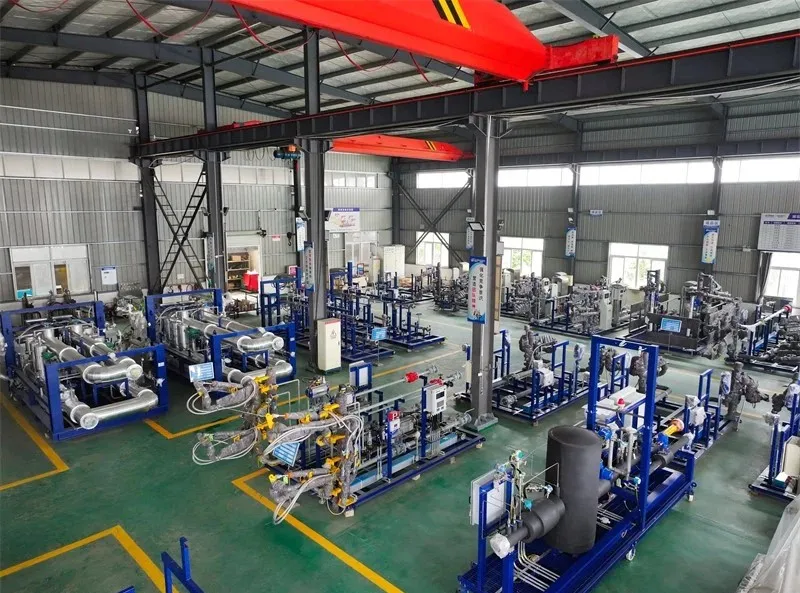
At Liftora Arm, we focus on the independent development and manufacturing of core components, enabling us to provide customers with robust marine loading arms, truck loading arms, and integrated metering skid systems tailored to diverse operating environments. Our comprehensive engineering service team collaborates closely with clients from initial concept through production and after‑sales support, ensuring cost‑effective solutions that meet stringent industry requirements. We adhere to international design and safety standards, and our products are engineered for durable performance, operational reliability, and ease of maintenance.
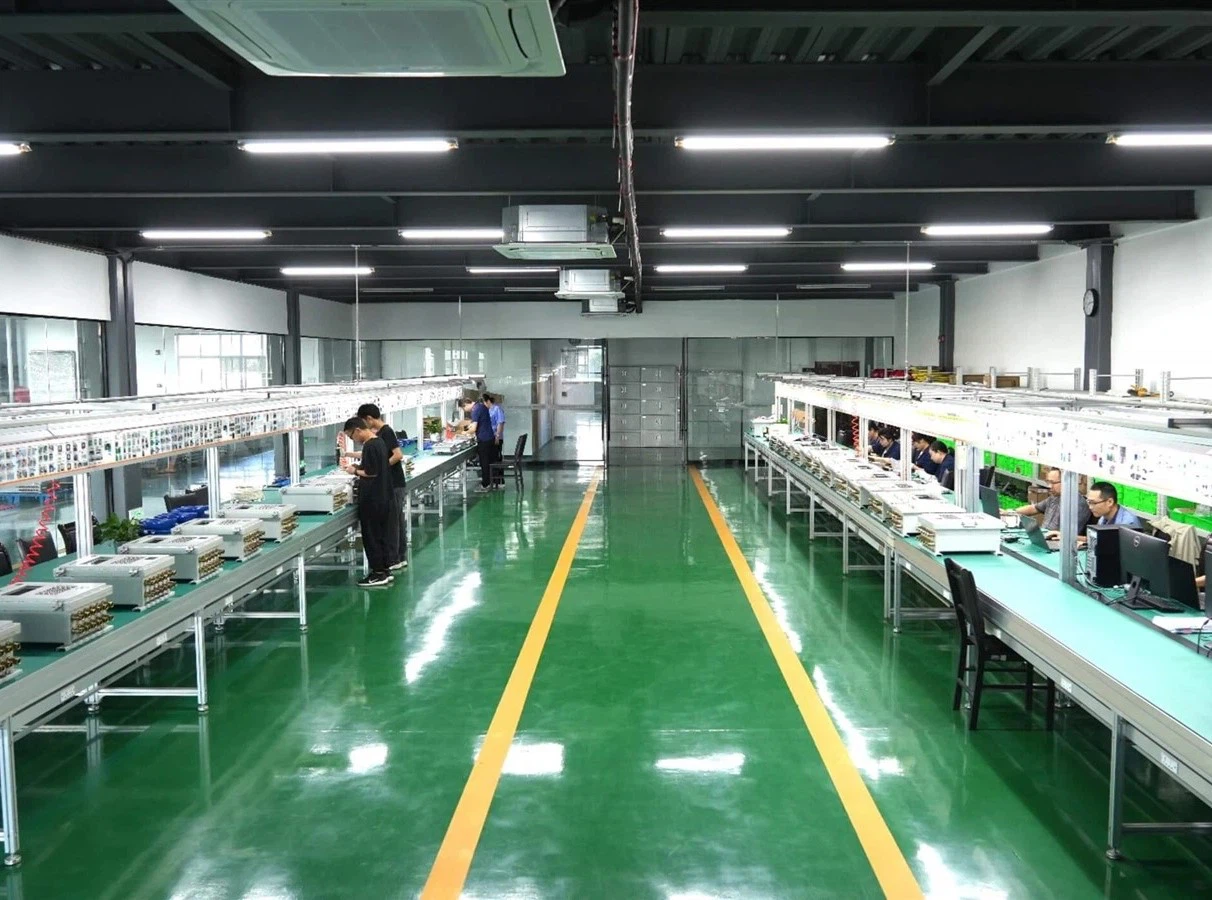
Committed to responsive service and global reach, Shenzhen Liftora Arm Co., Ltd. offers timely technical support, fast online responses, and reliable after‑sales services to clients worldwide. With a growing network of partners and distributors, Liftora Arm has earned the trust of engineering companies, terminal operators, and major industrial customers across Asia, Europe, Africa, and the Americas. Driven by continuous innovation and a customer‑centric approach, we strive to deliver fluid handling equipment that enhances efficiency, safety, and operational excellence in every application.
From raw wire spiraling to CNC machining of swivel joints and emergency breakaway valves, all production processes occur in-house in Shenzhen, eliminating supply chain bottlenecks.
Every hose batch undergoes liquid nitrogen (-196°C) thermal shock cycling, helium leak detection, and 1.5x working pressure hydrostatic proofing before factory dispatch.
Full customization of hose inner/outer diameters (2" to 20"), working pressure (PN10-PN25), flanged connections (ANSI, DIN, JIS), and color-coded protective covers.
Leading the frontier of smart, zero-emission cryogenic transfer technology.
Integration of embedded continuous fiber-optic Bragg grating sensors along hose walls for real-time monitoring of strain, fatigue degradation, and micro-temperature shifts.
Adoption of nanocomposite inner barriers capable of self-sealing micro-fractures under extreme cryogenic thermal cycles, extending operational lifespan by over 40%.
Next-generation electro-hydraulic Emergency Release Couplings featuring sub-millisecond closure times to eliminate VOC and methane slip during emergency disconnection.
Pioneering multi-fluid composite lines engineered to handle both Liquefied Natural Gas (-162°C) and Liquid Hydrogen (-253°C) for future green fuel bunkering hubs.
Compliance with rigorous international standards guarantees flawless operational safety in high-stakes marine environments.
Our hose design and manufacturing protocols are certified and audited by major international classification societies, including DNV, ABS, Bureau Veritas (BV), and Lloyd's Register (LR).
Fully compliant with EN 1474-II (Floating LNG Transfer Systems), ISO 20519 (Ships and Marine Technology - LNG Bunkering), and SIGTTO recommendations for cryogenic hose strings.
Shenzhen Liftora Arm provides 24/7 technical assistance, site commissioning, annual integrity inspection services, and localized replacement part dispatch worldwide.
Clear technical insights for marine engineers, procurement officers, and EPC contractors.
Under standard operating conditions and regular inspection cycles according to EN 1474-II guidelines, composite marine LNG transfer hoses typically achieve a design lifespan of 5 to 8 years. Regular hydrostatic pressure tests and visual integrity inspections ensure maximum operational safety.
Flexible multi-layer composite hoses feature low bending stiffness and high axial strength. As twin vessels move independently due to swell and wave action, the flexural geometry of the hose loop absorbs pitch, roll, and yaw without transferring mechanical stress to the manifold flanges.
Every system is integrated with an Emergency Release System (ERS) containing a Powered Emergency Release Coupling (PERC) sandwiched between two dry-break isolation valves. If the vessel exceeds safe operating envelope boundaries, the valves instantly close before collar release, preventing fluid release into the marine environment.
Yes. We supply fully customized end fittings including ANSI Class 150/300, DIN EN, JIS, and quick action couplers (QCDC). Materials range from low-temperature 316L stainless steel to specialized cryogenic alloys tailored to customer specifications.
Each hose assembly undergoes 100% factory acceptance testing (FAT), including hydrostatic pressure testing at 1.5x working pressure, electrical continuity testing, cryogenic thermal shock testing, and helium leak tightness verification.
Discover our comprehensive range of LPG loading arms, cryogenic cooling skids, CNG regulation skids, and automated storage solutions.
 Liftora Arm