Explore our leading collection of marine loading arms, distribution skids, and emergency breakaway components designed for demanding industrial operations.
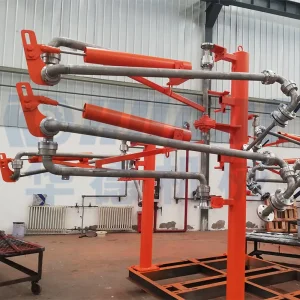
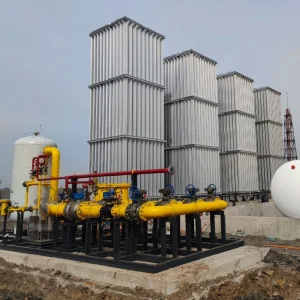
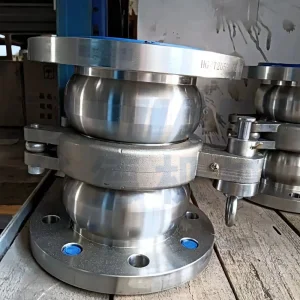
In modern high-hazard fluid transfer installations, containing critical pressurized chemicals, liquefied petroleum gas (LPG), and liquefied natural gas (LNG) requires infallible structural mitigation equipment. The Powered Emergency Release Coupling (PERC) serves as the definitive safety system integrated into marine loading arms, truck/rail terminal skids, and bulk gas distribution infrastructure. Distinct from passive mechanical breakaway couplings, a PERC is an active system triggered electro-hydraulically or pneumatically, allowing terminal operators to initiate a controlled, zero-leakage separation of the fluid transfer line during emergency scenarios.
A CE certified PERC coupling ensures that pressure boundaries, valve closures, and structural separation limits conform to demanding European harmonized directives and global functional safety targets. Utilizing a dual-ball or dual-butterfly valve arrangement, the coupling acts simultaneously to isolate both the upstream (source) and downstream (receiving) flow streams in milliseconds before physical parting occurs. This eliminates structural damage to the loading manifold, prevents ecological disasters, and guarantees safety for personnel on site.
SEO Insight & Information Gain: While passive breakaways depend purely on axial structural strain (break-bolts) to separate, a Powered Emergency Release Coupling (PERC) utilizes command-driven hydraulic actuators integrated directly with a terminal’s Emergency Shutdown (ESD) system, ensuring controlled closure and separation independent of structural stress vectors.
Shenzhen Liftora Arm Co., Ltd. is a professional manufacturer and engineering company specializing in the design, development, and production of advanced loading arm systems and fluid transfer solutions. Founded with a commitment to innovation, quality, and customer satisfaction, Liftora Arm has rapidly grown into a trusted partner for global energy, petrochemical, and industrial fluid handling projects. Our headquarters and manufacturing facilities in Shenzhen, China are equipped with modern production lines, precision fabrication tools, and rigorous testing equipment to ensure the consistent delivery of high‑performance products.
At Liftora Arm, we focus on the independent development and manufacturing of core components, enabling us to provide customers with robust marine loading arms, truck loading arms, and integrated metering skid systems tailored to diverse operating environments. Our comprehensive engineering service team collaborates closely with clients from initial concept through production and after‑sales support, ensuring cost‑effective solutions that meet stringent industry requirements. We adhere to international design and safety standards, and our products are engineered for durable performance, operational reliability, and ease of maintenance.
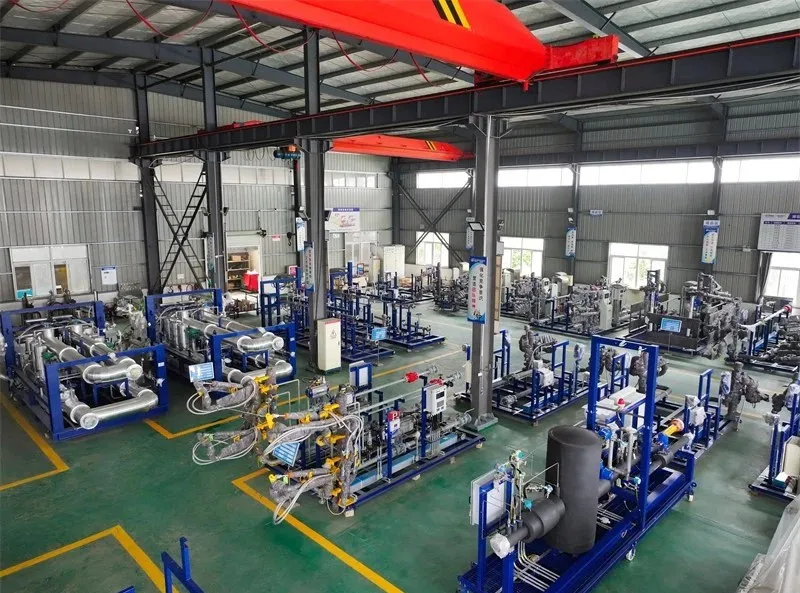
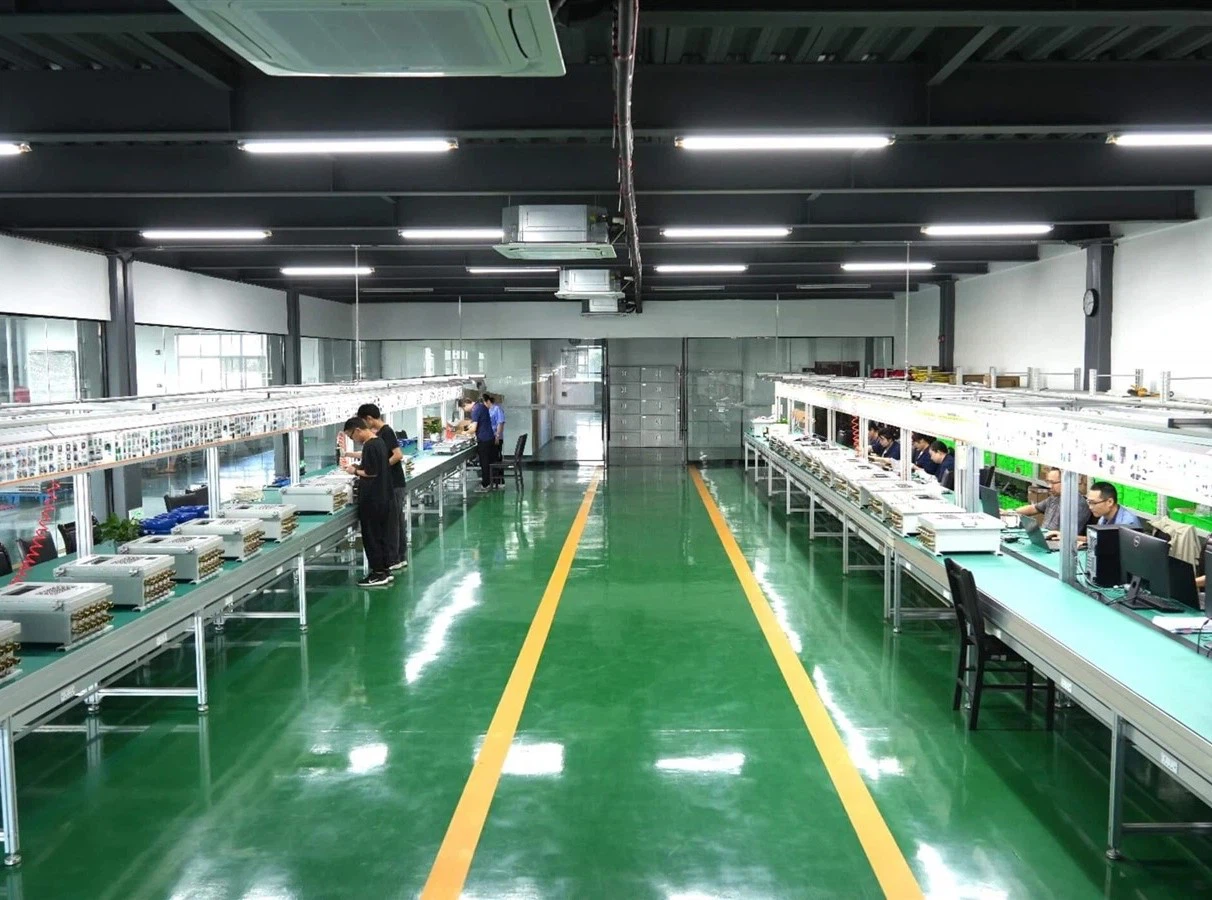
Committed to responsive service and global reach, Shenzhen Liftora Arm Co., Ltd. offers timely technical support, fast online responses, and reliable after‑sales services to clients worldwide. With a growing network of partners and distributors, Liftora Arm has earned the trust of engineering companies, terminal operators, and major industrial customers across Asia, Europe, Africa, and the Americas. Driven by continuous innovation and a customer‑centric approach, we strive to deliver fluid handling equipment that enhances efficiency, safety, and operational excellence in every application.
Sourcing high-pressure and cryogenic fluid transfer equipment requires stringent adherence to international safety metrics. A CE Certified PERC Coupling signifies that the unit conforms fully to essential European health, safety, and environmental protection requirements. For fluid transfer environments, particularly involving liquefied gases and petrochemicals, this compliance spans multiple directives:
Furthermore, Liftora's design and manufacturing systems are structured around SIL-2 (Safety Integrity Level 2) and SIL-3 criteria. The integration of dual inductive proximity sensors allows continuous telemetry, giving terminal PLCs absolute certainty of the coupling's locked, unlocked, or released states. By maintaining CE certification, Liftora guarantees that our products are ready for immediate integration into North American, European, and Middle Eastern distribution grids without legal or compliance barriers.
Purchasing capital equipment from a Shenzhen-based precision manufacturer provides international EPCs (Engineering, Procurement, and Construction) and terminal operators with unmatched cost-efficiency, technical agility, and logistics execution. The Shenzhen manufacturing hub represents the world's most dense cluster of mechanical, electronic, and software engineering resources.
| Procurement Metric | Traditional Western Suppliers | Shenzhen Liftora Integrated Advantage |
|---|---|---|
| Lead Time | 24 to 36 weeks (due to fragmented sub-contracting) | 12 to 16 weeks (fully integrated localized supply cluster) |
| Custom Design Adaptation | Standard catalog models; custom engineering is highly costly | Agile R&D team; direct CAD/FEA simulation changes |
| Material & Production Costs | High overhead, labor, and domestic casting premiums | Optimized metallurgy value chain & modern automated tooling |
| Logistic Integration | Complex continental shipping routes | Direct access to Shenzhen & Hong Kong deepwater ports |
At Shenzhen Liftora, we leverage this localized ecosystem to source high-grade raw materials (such as ASTM A351 CF8M stainless steel, Duplex steel, and Hastelloy C276) directly from certified mills. The nearby electronic clusters permit the design, prototyping, and validation of PLC control panels and hydraulic power units (HPUs) concurrently with the mechanical manufacturing. This parallel workflow shortens design iteration cycles by up to 50%, ensuring rapid response to field change orders.
International procurement managers must evaluate several core parameters when specifying Powered Emergency Release Couplings. A mistake in structural tolerance, sealing materials, or operating pressures can result in massive revenue losses or severe environmental incidents. Below are the key engineering specifications that guide modern PERC procurement:
To assure long-term chemical compatibility, Liftora offers customized sealing solutions. Cryogenic systems utilize modified PCTFE or PTFE seals with internal energizing springs made of Elgiloy or Inconel 718. For highly corrosive chemical media, such as sulfuric acid, caustic soda, or crude oil containing hydrogen sulfide (sour gas), we deploy specialized elastomers (FKM/FFKM) to prevent swelling, explosive decompression, or premature seal degradation.
Every terminal facility presents a unique set of geographic, climate, and mechanical challenges. Liftora's CE Certified PERC systems are optimized for localized application across three distinct sectors:
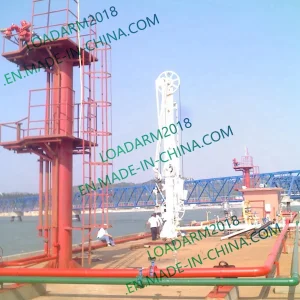
Marine environments impose intense dynamic motions due to waves, wind, and tidal shift. Our PERC systems are configured as part of a three-stage safety loop. During an ESD-1 event, the transfer pumps stop. If the vessel drifts beyond the safe operating envelope, the ESD-2 trigger automatically actuates the HPU, closing the double ball valves within 2 seconds and releasing the clamping ring. The coupling separates smoothly, letting the marine arm swing back to its parked position without damaging the ship's manifold.
On land-based loading platforms, "drive-away" accidents occur when a driver pulls away before disconnecting the loading arm. For truck terminals, Liftora supplies integrated metering skids fitted with compact, spring-actuated breakaway or hydraulically powered PERC valves. This configuration ensures zero-spill safety even if operators fail to follow standard lockout/tagout protocols.
For installations in desert or arctic regions (handling temperatures from -50°C to +55°C), Liftora provides custom weather jackets, nitrogen purge ports, and heat tracing systems. This prevents ice formation or dust accumulation inside the mechanical release latch, ensuring the coupling separates reliably regardless of environmental conditions.
Field Engineering Support: Liftora maintains a global network of field technicians to support onsite piping integration, HPU calibration, and commissioning tests, ensuring full E-E-A-T field support.
The global fluid transfer industry is changing rapidly, driven by the transition to green energy and the adoption of IoT technology. The next generation of PERC couplings is evolving to address these trends:
By investing in these advanced R&D pathways, Shenzhen Liftora Arm Co., Ltd. ensures that our global partners are equipped with future-proof fluid handling technology, keeping them ahead of regulatory changes and industry trends.
Complete your operations with our verified selection of pressure reduction skids, swivel joint arms, robot loading systems, and modular infrastructure components.
 Liftora Arm