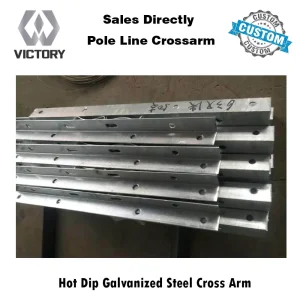
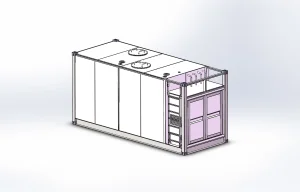
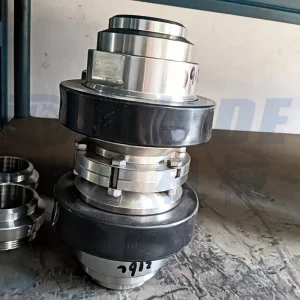
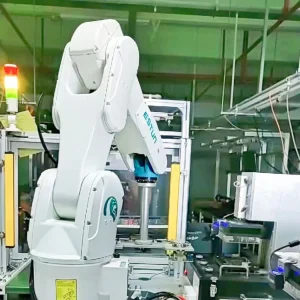
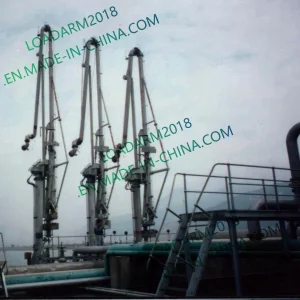
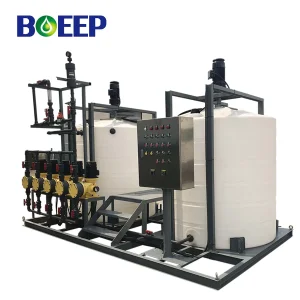
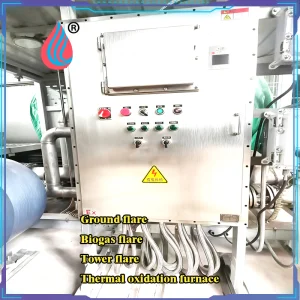
Explore our integrated structural systems, high-pressure processing lines, and fluid containment configurations designed for high-consequence operational domains.
In modern asset-heavy industries, fluid transfer networks require high operational speed while minimizing risk. The deployment of high-performance Quick Connect Disconnect Couplings represents a core choice in modern fluid system design. These mechanisms prevent fluid loss during decoupling and enable precise, reliable operations across marine, petrochemical, automated manufacturing, and cryogenic energy distribution networks.
As standard process requirements migrate toward low emission tolerances and high pressure limits, procurement managers must move beyond transactional purchasing. They must analyze the manufacturing physics, material science, and supply chain strategies that separate high-end engineering components from standard commodities. This engineering review provides deep analytical insight to help global enterprises optimize their flow containment assets.
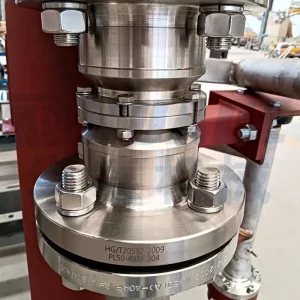
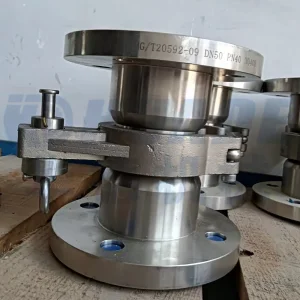
A reliable quick-disconnect coupling depends on precision geometry and material science. Every structural component must withstand variable thermal expansion, aggressive chemical corrosion, and repetitive pressure surges without material fatigue.
Modern applications require specific internal valving configurations. Flush-face, dry-break architectures prevent fluid capture in internal cavities, reducing fluid loss to negligible levels during uncoupling. This protects operators handling hazardous media and eliminates atmospheric contamination in volatile environments.
High-integrity couplings use advanced alloys. For high-corrosion chemical processing or marine environments, components are machined from 316L Stainless Steel, Hastelloy, Monel, or Duplex Steel. Surface treatments like gas nitriding and hard chrome plating provide high resistance to wear and scratching during alignment cycles.
The seal interface determines operational longevity. Advanced manufacturing integrates specific elastomeric compounds tailored to the transferred medium. Compounds like Viton (FKM), Kalrez (FFKM), EPDM, and virgin PTFE provide tight sealing across temperature ranges from cryogenic liquid gas cycles to high-temperature superheated oil lines.
Shenzhen Liftora Arm Co., Ltd. is a professional manufacturer and engineering company specializing in the design, development, and production of advanced loading arm systems and fluid transfer solutions. Founded with a commitment to innovation, quality, and customer satisfaction, Liftora Arm has rapidly grown into a trusted partner for global energy, petrochemical, and industrial fluid handling projects. Our headquarters and manufacturing facilities in Shenzhen, China are equipped with modern production lines, precision fabrication tools, and rigorous testing equipment to ensure the consistent delivery of high‑performance products.
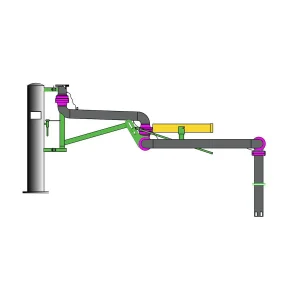
At Liftora Arm, we focus on the independent development and manufacturing of core components, enabling us to provide customers with robust marine loading arms, truck loading arms, and integrated metering skid systems tailored to diverse operating environments. Our comprehensive engineering service team collaborates closely with clients from initial concept through production and after‑sales support, ensuring cost‑effective solutions that meet stringent industry requirements. We adhere to international design and safety standards, and our products are engineered for durable performance, operational reliability, and ease of maintenance.
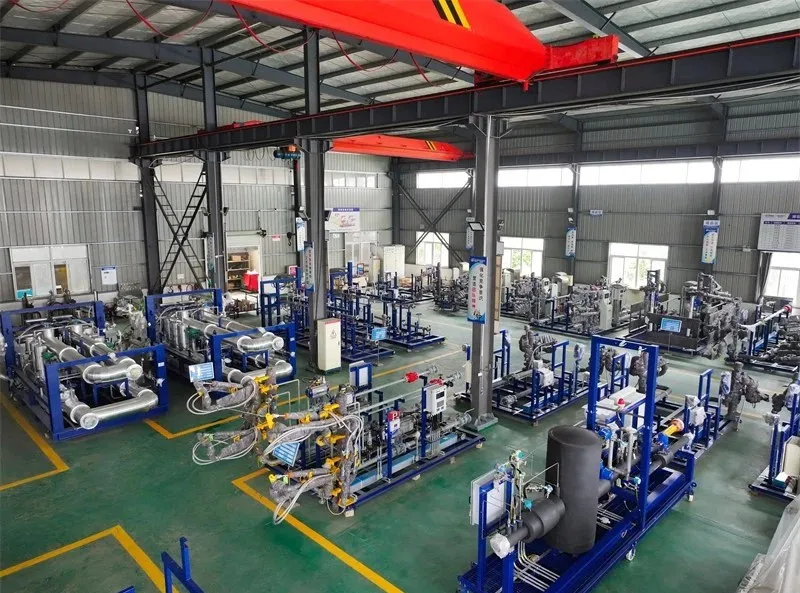
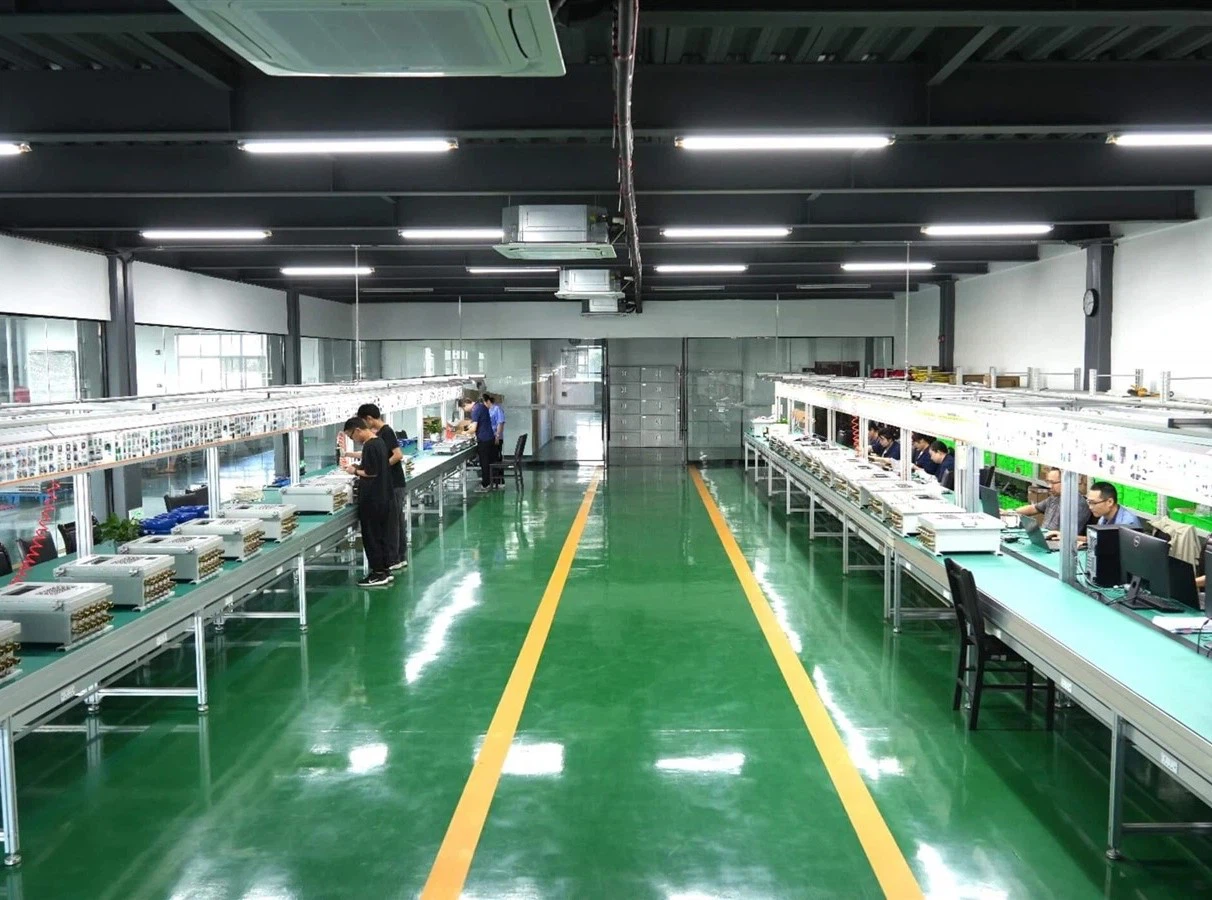
Committed to responsive service and global reach, Shenzhen Liftora Arm Co., Ltd. offers timely technical support, fast online responses, and reliable after‑sales services to clients worldwide. With a growing network of partners and distributors, Liftora Arm has earned the trust of engineering companies, terminal operators, and major industrial customers across Asia, Europe, Africa, and the Americas. Driven by continuous innovation and a customer‑centric approach, we strive to deliver fluid handling equipment that enhances efficiency, safety, and operational excellence in every application.
By using advanced testing equipment, including multi-axis coordinate measurement tools, hydrostatic destructive burst test bays, and helium mass spectrometer leak detection, Liftora Arm maintains excellent build quality. Our product engineering covers both standard configurations and highly customized quick-connect and breakaway designs. This ensures reliable operation under cyclic stresses, high vibration, and variable structural load shifts common in modern processing environments.
Procuring industrial quick connect disconnect couplings from specialized clusters in China provides a strong competitive advantage. This advantage results from combined industrial ecosystems, advanced raw material access, and efficient logistical networks.
Chinese industrial hubs bring specialized steel foundries, precision forging houses, seal manufacturers, and high-end CNC machining centers into close proximity. This geographic concentration reduces logistical friction for raw materials, accelerates prototyping, and ensures consistent quality control throughout production.
Leading Chinese facilities utilize highly automated manufacturing. Robotic multi-axis machining centers, automated tool changes, and digital quality monitoring lower per-unit assembly costs while ensuring close dimensional tolerances across large production runs.
A key advantage of Chinese manufacturing teams is their ability to rapidly customize designs. Engineers can quickly modify custom physical thread types, flange sizes, or pressure ratings to match unique project drawings, moving from initial concept to physical production much faster than traditional manufacturers.
International procurement managers evaluate coupling suppliers on strict total-cost-of-ownership (TCO) metrics and risk mitigation protocols rather than piece-price alone.
The fluid transfer industry is evolving toward higher safety, deeper automation, and strict environmental compliance.
Next-generation quick-connect couplings integrate micro-electronic sensor arrays. These IoT-enabled modules track real-time connection status, seal wear patterns, localized fluid temperature, and pressure fluctuations, transmitting data to central SCADA systems to enable predictive maintenance.
Environmental standards require minimal volatile organic compound emissions. Industrial designs are adopting advanced dry-disconnect features to ensure zero fluid loss during high-volume transfers, helping companies meet strict corporate environmental goals.
The growth of clean energy infrastructure requires couplings capable of operating at extreme temperatures. Specialized designs feature advanced thermal insulation and customized seals to handle liquid hydrogen and LNG at temperatures down to -196°C.
Quick-connect and breakaway technologies are critical components used across diverse heavy industries globally.
In offshore terminal operations, ship-to-shore mooring lines experience constant movement from waves and currents. Installing heavy-duty emergency breakaway couplers ensures that if a vessel drifts past its safe operating envelope, internal valves close instantly before the transfer lines separate, preventing environmental contamination.
Railcars and road tanker trucks transport a wide variety of corrosive and toxic chemicals daily. Utilizing specialized dry-break quick couplings with targeted alloy materials allows operators to connect transfer lines quickly and safely without risking chemical exposure or product contamination.
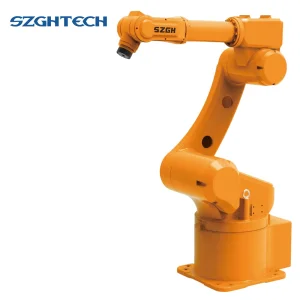
High-speed industrial robots use pneumatic and hydraulic tools to process materials efficiently. Integrating compact, lightweight quick-connect couplings enables rapid end-of-arm tool changes with absolute zero pressure drop, keeping complex manufacturing lines running smoothly.
Deploying heavy fluid equipment internationally requires adherence to strict regional quality frameworks and strong local technical engineering support.
High-performance couplings conform to essential international directives. These include Europe's CE ATEX directive for explosive environments, ASME Section VIII pressure vessel codes for North American installations, and global manufacturing standards like ISO 9001:2015 to ensure reliable quality across regional borders.
To reduce operational risks, modern manufacturers provide local maintenance support. This includes deploying rapid-response technical teams, conducting field audits, offering localized training for plant personnel, and stocking critical wear parts near major transport hubs to minimize unexpected downtime.
Review engineering answers to common technical questions asked by procurement teams, fluid dynamicists, and on-site facility engineers.
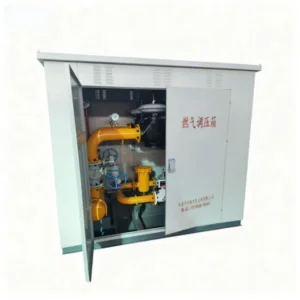
Review our specialized high-pressure skids, automated processing arms, and heavy-duty infrastructure sub-systems deployed worldwide.
 Liftora Arm