Precision-engineered hardware and systems configured to meet the rigorous demands of global energy, manufacturing, and transport infrastructure.

World-Class Fluid Transfer Engineering
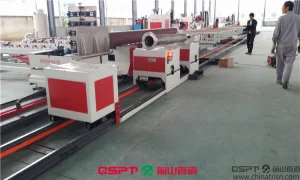
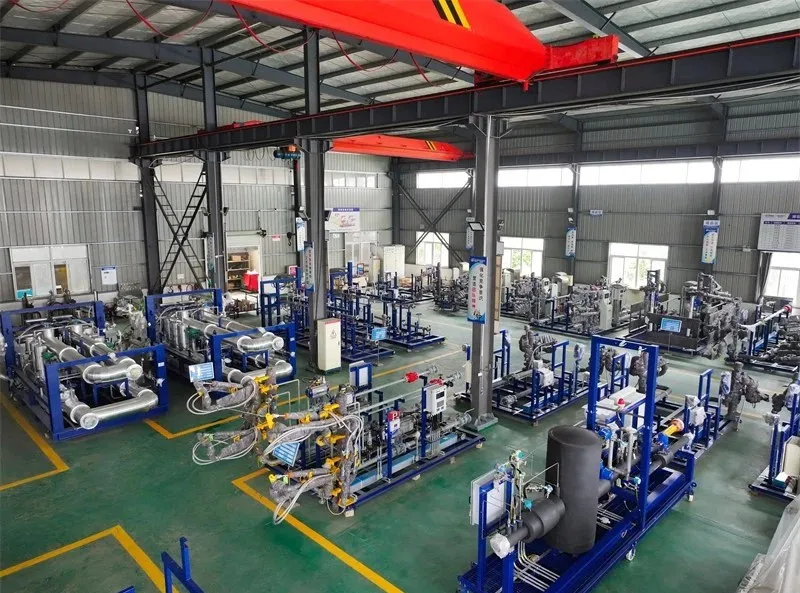
Shenzhen Liftora Arm Co., Ltd. is a professional manufacturer and engineering company specializing in the design, development, and production of advanced loading arm systems and fluid transfer solutions. Founded with a commitment to innovation, quality, and customer satisfaction, Liftora Arm has rapidly grown into a trusted partner for global energy, petrochemical, and industrial fluid handling projects. Our headquarters and manufacturing facilities in Shenzhen, China are equipped with modern production lines, precision fabrication tools, and rigorous testing equipment to ensure the consistent delivery of high‑performance products.
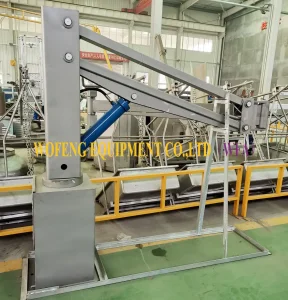
We focus on the independent development and manufacturing of core components, enabling us to provide customers with robust marine loading arms, truck loading arms, and integrated metering skid systems tailored to diverse operating environments. Our comprehensive engineering service team collaborates closely with clients from initial concept through production and after‑sales support, ensuring cost‑effective solutions that meet stringent industry requirements. We adhere to international design and safety standards, and our products are engineered for durable performance, operational reliability, and ease of maintenance.
Proven indicators of our capacity, quality parameters, and international footprint.
How modern industrial terminals secure accuracy, safety, and operational control during high-volume custody transfer.
Custody transfer forms the economic backbone of the oil, gas, and petrochemical sectors. A Terminal Metering System (TMS) must measure massive quantities of liquid or gaseous fluids with extreme precision, as even a minor deviation of 0.1% can lead to millions of dollars in discrepancies annually. Global operators demand compliant, certified measurement methods.
Global target markets operate under distinct regulatory networks such as OIML R117, API MPMS (Manual of Petroleum Measurement Standards), MID (Measuring Instruments Directive), and national weights and measures codes. Terminal installations must utilize verified instrumentation to guarantee trade approval across borders.
Modern terminal management requires real-time data streaming. Flow computer readouts, temperature transmitters, pressure sensors, and batch control configurations are increasingly linked directly to centralized SCADA systems, enabling automated inventory tracking, billing, and system diagnostics.
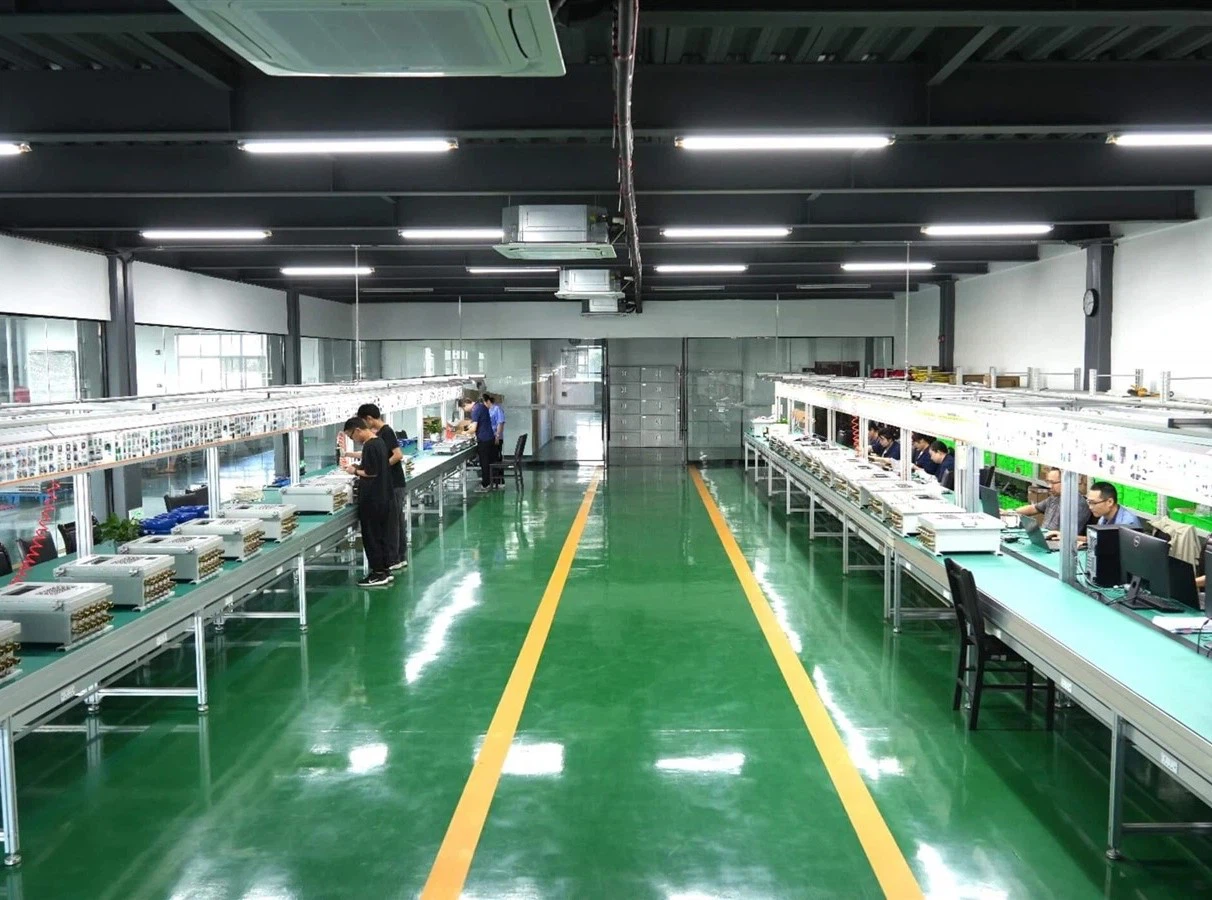
By basing our primary manufacturing and core component engineering facilities in Shenzhen, China, Shenzhen Liftora Arm Co., Ltd. capitalizes on a highly integrated hardware and software technology ecosystem. Our efficiency advantages translate directly into substantial values for our global client base:
Different fluids and installation layouts demand specific mechanical and instrumentation arrangements. Explore our primary target operations.
For marine berths handling volatile media like crude oil, LNG, or liquid chemicals, our terminal systems interface directly with heavy-duty marine loading arms. Equipped with high-pressure swivels, quick-connect disconnect couplers (QC/DC), and integrated flow measurement loops, these configurations absorb tidal motions while maintaining bubble-tight seals and precise mass detection.
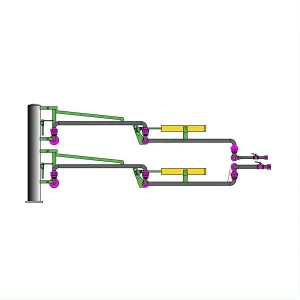
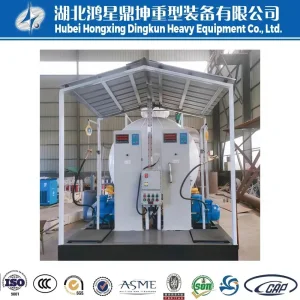
Designed for compact, pre-packaged footprints, these modular skid platforms combine a loading arm (top or bottom configuration) with a dedicated PD or Coriolis flowmeter, air eliminators, strainers, safety ground monitoring relays, and batch controllers. Excellent for distribution depots handling diesel, gasoline, ethanol, and liquefied petroleum gases.
Petrochemical installations require specific alloys or interior linings (such as PTFE or PVDF) to prevent rapid degradation from acids, bases, or specialized chemical reagents (e.g., aniline). Our systems integrate specialized seal profiles and secondary containment options to guarantee long-term operational safety and zero leaks.
Staying ahead of regulatory pressures and efficiency targets through cutting-edge design adjustments.
Stringent ESG frameworks require the capture of all hazardous vapors during transfer. Modern skids feature vapor return lines, VOC scrubbers, and real-time monitoring of backpressure.
While positive displacement (PD) meters remain popular for high-viscosity fluids, Coriolis mass flow meters are becoming the standard due to direct mass measurement, zero moving parts, and minimal maintenance.
Swivel joint seals are critical points of failure. Integrating temperature, pressure, and acoustic emission sensors near swivel collars enables operators to perform predictive maintenance before leaks happen.
Deploying concrete slabs and building piping infrastructure on-site is slow and costly. Prequalified, factory-tested, skid-mounted installations slash deployment times by up to 60%.
A framework for EPC contractors, project engineers, and operations managers evaluating terminal metering suppliers.
Ensure your chosen vendor holds all safety and operational verifications. Electrical systems within the fuel zone must hold ATEX, IECEx, or UL/CSA explosion-proof markers. Structural steel must comply with ASME Code Section VIII or EN 1090 standards.
Your partner should facilitate inspections by classification bodies such as SGS, TÜV, or Bureau Veritas. Factory Acceptance Tests (FAT) must verify the flow loop, emergency shutdown sequences (ESD), and communication protocols.
Marine environments require high-grade anti-corrosive finishes. Demand specification sheets proving steel surface prep matching Sa 2.5 standards and marine paint schedules complying with ISO 12944 C5-M classes.
A reliable supplier must guarantee availability of spare parts (especially swivels, dynamic elastomeric seals, flowmeter internals, and valves) for a minimum of 10 years after system commissioning.
Technical answers to frequent concerns raised by procurement and engineering teams.
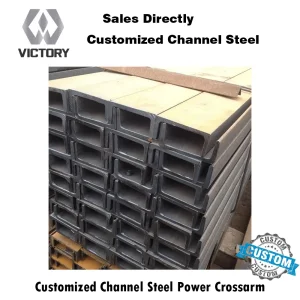
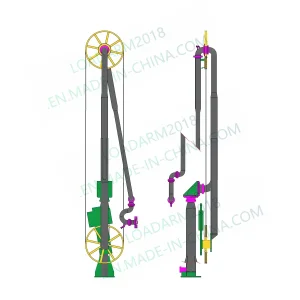
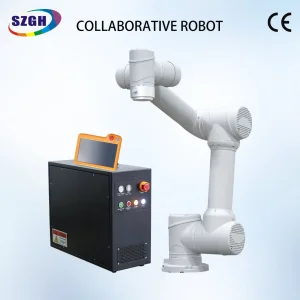
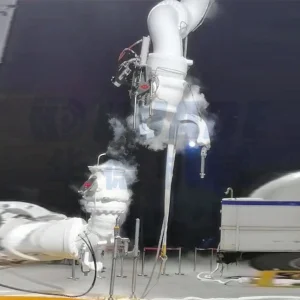
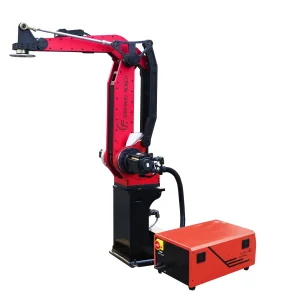
Discover our wider range of high-durability cross arms, custom marine arms, and collaborative robotic integration lines.
 Liftora Arm