High-performance custom solutions developed by Liftora Arm for heavy-duty industrial fluids and robotic cargo handling.
How closed-loop vapor recovery systems mitigate hazards, guarantee environmental compliance, and maximize volumetric transfer efficiency.
In modern petrochemical, biochemical, and liquefied gas transfer operations, the control of
A highly engineered Vapor Return Line establishes a hermetically sealed, closed-loop pressure equalization circuit. By returning the displaced vapor phase back to the supply vessel or venting it safely into a dedicated Vapor Recovery Unit (VRU) or thermal oxidizer, industrial facilities minimize product loss and preserve safety. However, a single off-the-shelf hose assembly rarely satisfies the extreme flow dynamics, chemical compatibility profiles, and seismic or mechanical movements encountered in large-scale installations. This is why chemical terminals, marine ports, and global engineering procurement contractors (EPCC) turn to dedicated custom OEM vapor return line manufacturers to craft highly adapted, heavy-duty metallic and composite transfer lines.
Technical Insight: Closed-loop vapor systems must account for varying pressure boundaries. Uncompensated pressure drops can trigger premature valve seating, vapor lock, or vessel implosion. Precision calculations of laminarity, friction coefficient, and fluid density under fluctuating temperatures are core to Liftora's design processes.
Designed strictly to comply with ASME B31.3, API 2350, and ATEX standards, preventing structural fatigue and reducing ignition risk in highly explosive atmospheres.
Helping modern energy firms align with ESG criteria by eliminating fugitive emissions during complex multi-modal cargo transfers across sea and rail terminals.
Utilizing high-grade austenitic stainless steel, duplex alloys, and advanced polymer linings to resist corrosive condensates and acidic vapor compounds.
Shenzhen Liftora Arm Co., Ltd. is a professional manufacturer and engineering company specializing in the design, development, and production of advanced loading arm systems and fluid transfer solutions. Founded with a commitment to innovation, quality, and customer satisfaction, Liftora Arm has rapidly grown into a trusted partner for global energy, petrochemical, and industrial fluid handling projects. Our headquarters and manufacturing facilities in Shenzhen, China are equipped with modern production lines, precision fabrication tools, and rigorous testing equipment to ensure the consistent delivery of high‑performance products.
At Liftora Arm, we focus on the independent development and manufacturing of core components, enabling us to provide customers with robust marine loading arms, truck loading arms, and integrated metering skid systems tailored to diverse operating environments. Our comprehensive engineering service team collaborates closely with clients from initial concept through production and after‑sales support, ensuring cost‑effective solutions that meet stringent industry requirements. We adhere to international design and safety standards, and our products are engineered for durable performance, operational reliability, and ease of maintenance.
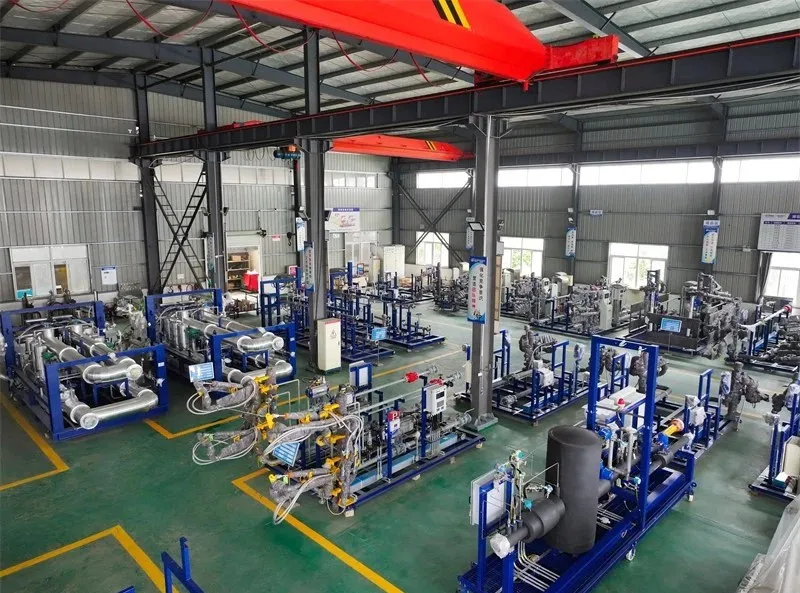
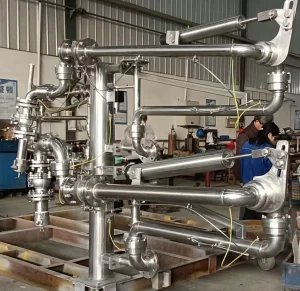
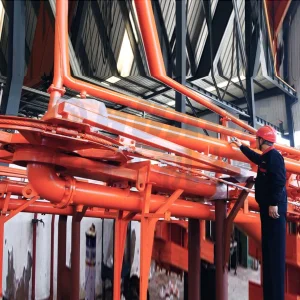
Image 1: Inside Liftora Arm's heavy-duty component machining & production bay in Shenzhen.
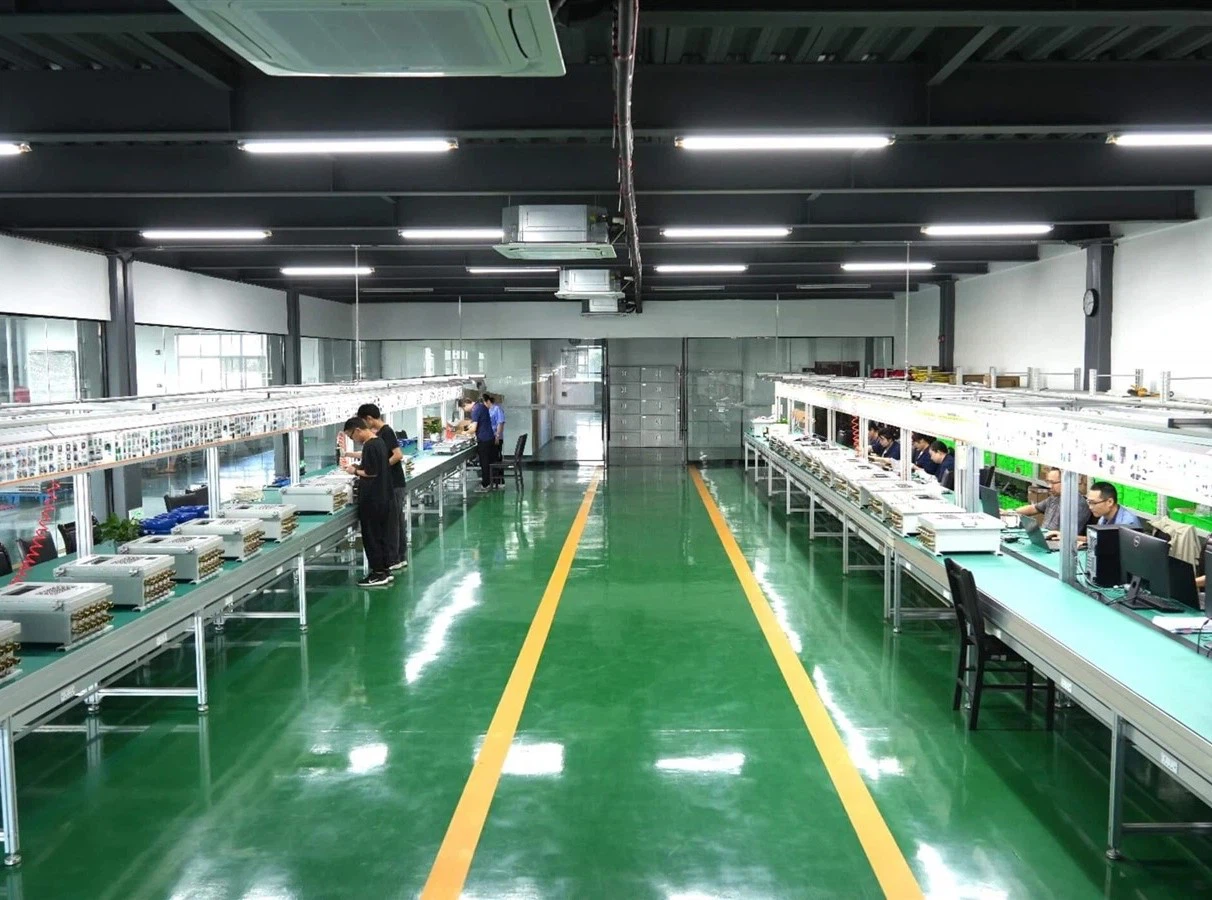
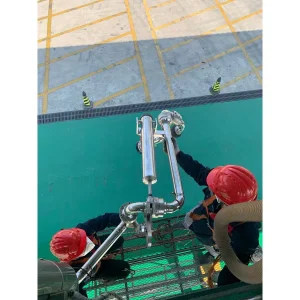
Image 2: Rigorous fluid component assembly and non-destructive testing (NDT) phase.
Committed to responsive service and global reach, Shenzhen Liftora Arm Co., Ltd. offers timely technical support, fast online responses, and reliable after‑sales services to clients worldwide. With a growing network of partners and distributors, Liftora Arm has earned the trust of engineering companies, terminal operators, and major industrial customers across Asia, Europe, Africa, and the Americas. Driven by continuous innovation and a customer‑centric approach, we strive to deliver fluid handling equipment that enhances efficiency, safety, and operational excellence in every application.
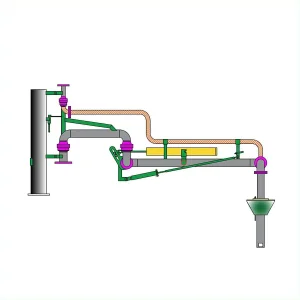
By leveraging advanced dynamic engineering tools, including FEA (Finite Element Analysis) and fluid flow simulator models, Liftora Arm transforms standard vapor return lines into dynamic, articulated mechanical structures. These systems support large vertical and horizontal coordinate shifts without risking seal blowouts or line fatigue.
How Liftora Arm synthesizes advanced technology, geographic accessibility, and supply chain control to lower global procurement costs.
Shenzhen is globally acknowledged as the epicenter of rapid industrial prototyping, advanced precision manufacturing, and hardware innovation. By anchoring our primary headquarters and fabrication facility here, Liftora Arm leverages a deeply integrated ecosystem of raw material suppliers, high-tier metallurgical specialists, and world-class shipping hubs. This close proximity dramatically shortens production cycles compared to Western manufacturers while offering superior engineering adaptability.
By controlling all stages of component fabrication—from casting and forging of swivel joints in our certified partner foundries to precision CNC machining in-house—we maintain absolute control over the quality, thickness, and composition of our vapor return line manifolds.
Situated directly adjacent to major international container ports (Shenzhen Port, Shekou, and Hong Kong International Air Terminal), we offer versatile maritime and air freight options. This enables swift deployment of crucial fluid transfer systems to remote global terminals under short deadlines.
This geographic capability translates into substantial **Total Cost of Ownership (TCO)** reductions for procurement officers. Not only are initial capital expenditures minimized, but the extended service life and swift supply of replacement components (seals, outer bearings, balance cylinders) significantly curb maintenance-induced down-time.
Meeting rigorous regulatory frameworks across diverse sovereign jurisdictions with comprehensive documentation.
For multinational energy majors and EPC companies, purchasing a vapor return line involves navigating a labyrinth of regulatory expectations. A product that performs exceptionally in one region might be deemed non-compliant in another due to divergent local standards. Liftora Arm bridge these regulatory chasms by providing fully documented, certified, and globally optimized systems.
Our OEM engineers design, weld, and inspect custom systems according to major global codes:
We understand that purchasing a loading or vapor system is just the first step. Our technical team supports clients through:
How digitalization, IoT, and mechanical innovations are transforming vapor recovery practices globally.
As the international community marches toward carbon-neutral operations under ESG paradigms, vapor recovery systems are rapidly evolving from simple bypass conduits into intelligent, data-driven utility networks. Traditional systems simply directed displaced gases backward. Tomorrow's systems utilize sophisticated telemetry and predictive sensors to analyze line behavior in real time.
Our OEM lines can be equipped with inline micro-sensors tracking volatile concentration, operating temperature, and localized fluid pressure, alerting operators before volatile vapor thresholds breach critical limits.
With changing fuel blends, including higher bio-ethanol and hydrogen concentrations, standard seals decay prematurely. Liftora uses customized ultra-high molecular weight PTFE and perfluoroelastomer (FFKM) compound solutions.
Utilizing high-end structural dynamic mechanical swivels that rotate continuously without mechanical binding, ensuring the vapor recovery line moves in perfect tandem with the main liquid transfer line.
Practical mechanical challenges solved by Liftora Arm custom systems across actual operational profiles.
At cryogenic coastal marine facilities, Boil-Off Gas (BOG) represents an enormous safety hazard. During vessel loading, dynamic tidal fluctuations and high waves require the vapor return line to swing up to 30 degrees. Liftora’s custom marine vapor return system utilizes triple-swivel balanced mechanisms with continuous nitrogen purging, maintaining structural integrity even at -162°C.
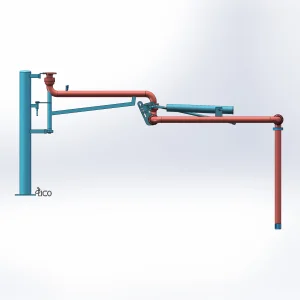
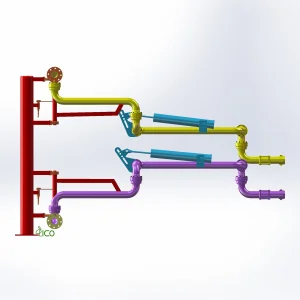
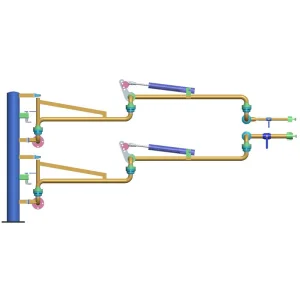
In municipal truck tanker loading bays, space constraints and operators' physical limitations require extremely lightweight but exceptionally sturdy equipment. Liftora provides dual-arm, co-axial bottom loading configurations. The liquid path and vapor path operate through a unified overhead framework, minimizing handling stress and accelerating truck turnaround times.
Addressing key technical questions frequently asked by structural engineers, procurement managers, and plant supervisors.
For corrosive chemicals containing compounds like chlorine, hydrogen sulfide, or sulfur dioxide, we highly recommend utilizing **316L Stainless Steel** as a minimum standard. In extreme cases involving concentrated acid vapors, we engineer vapor return paths lined with **PTFE / PFA** or fabricate the core piping using exotic nickel alloys like **Hastelloy C276**. These materials resist stress corrosion cracking and pitting over decades of operational exposure.
Every swivel joint utilized in our vapor return lines is precision machined on vertical CNC lathes in our Shenzhen facility. We deploy a dual-race ball bearing configuration to absorb heavy radial and axial moments. For sealing, we utilize a primary spring-energized PTFE lip seal paired with a secondary viton backup seal. Leak-detection ports are integrated between these seal layers to allow preventive maintenance indicators.
Yes. Liftora specializes in aftermarket custom OEM integrations. Our engineering team can perform a structural evaluation of your existing asset via CAD modeling and design a parallel piggy-back or overhead outrigger vapor system. This retrofitting process upgrades your standard open-dome loading configurations into compliant closed-loop systems with minimum structural modification.
We execute exhaustive Quality Assurance procedures for every OEM project. Our standard NDT testing protocol includes: 1) Radiographic testing of all high-stress butt-welded joints, 2) Dye penetrant checks for surface micro-cracks, 3) Hydrostatic or pneumatic pressure testing at 1.5 times the maximum designed operating pressure, and 4) Complete helium leak trace checks for cryogenic or highly hazardous gas applications.
Vapors moving at high velocity can generate static charges, creating severe ignition risks. Liftora addresses this by installing high-grade copper bonding straps across all mechanical joints and swivel interfaces. The entire system is engineered to have a continuous electrical resistance of less than 10 ohms, ensuring any accumulated static charge is safely discharged to the main terminal ground.
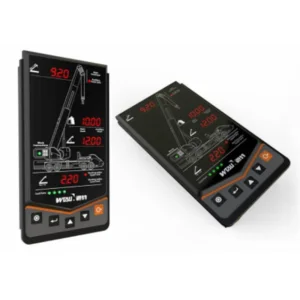
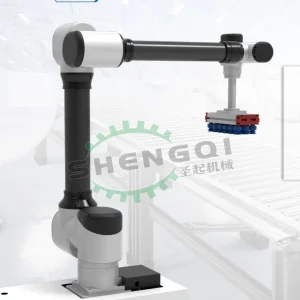
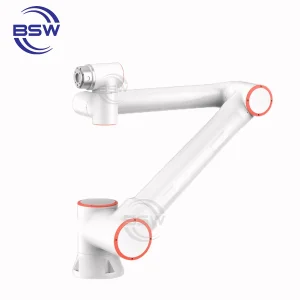
Additional advanced fluid transfer technology and robotic automation components from our Shenzhen manufacturing plant.
 Liftora Arm