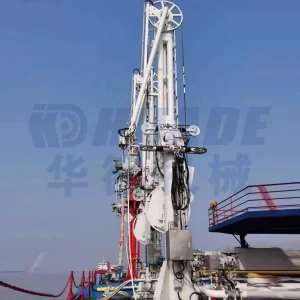
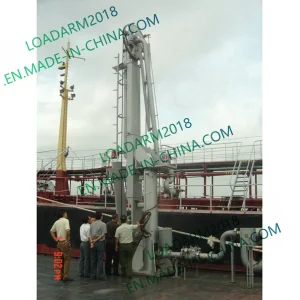
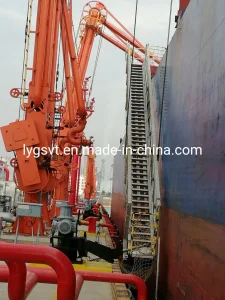
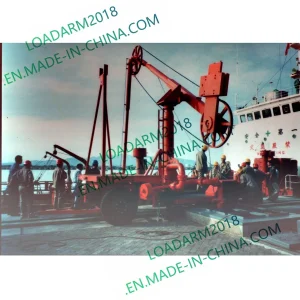
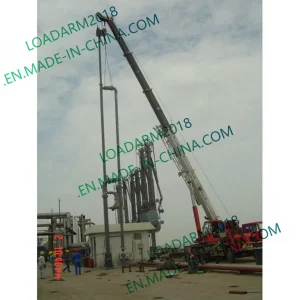
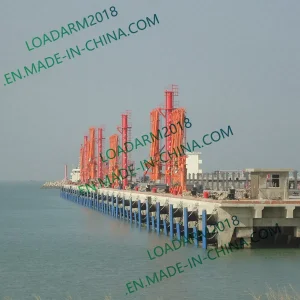
Engineered for extreme reliability, corrosion resistance, and safe operation under high pressure and variable temperature profiles.
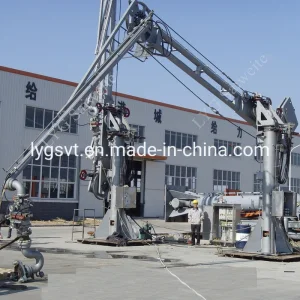
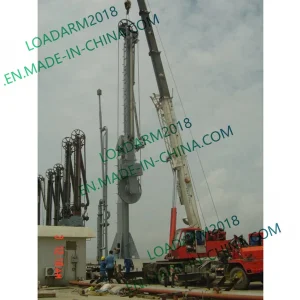
As a landlocked nation located in the heart of Africa, the Central African Republic (CAR) relies heavily on a complex intermodal transport network to import essential commodities and export raw industrial inputs. In this logistical paradigm, inland waterways—primarily the Ubangui River flowing into the Congo River—serve as the arterial network for heavy and bulk shipping. The port of Bangui handles the transshipment of critical energy resources, process chemicals, refined petroleum, and agricultural inputs.
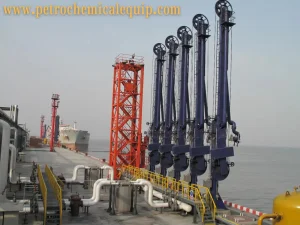
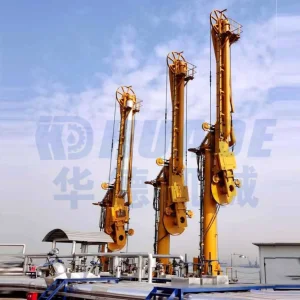
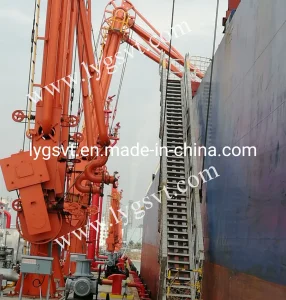
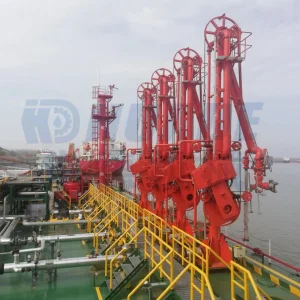
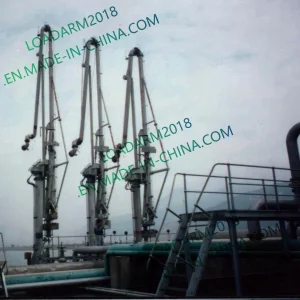
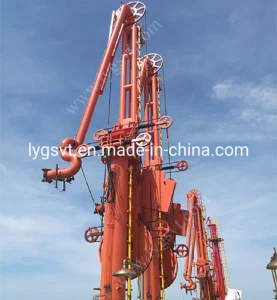
Transferring hazardous chemicals, gasoline, and liquefied gases between river barges and land-based storage facilities requires highly specialized infrastructure. Standard flexible hose connections present extreme hazards of rupture, vapor emission, and catastrophic environmental spillage into the pristine Congo Basin. Specialized Marine Chemical Loading Arms (MLAs) provide the rigid structural integrity, precise mechanical balancing, and dry-break safety mechanisms required to perform high-capacity transfers under challenging local conditions, including seasonal river level fluctuations exceeding 5 meters.
Due to the remote location of CAR terminals, equipment downtime is unacceptable. Sourcing heavy engineering hardware requires partners capable of configuring corrosion-resistant, robust mechanical loading systems with zero-maintenance swivel joints and foolproof safety couplings designed to withstand high humidity and tropical thermal cycles.
Globally, the chemical maritime transportation industry is subject to intense regulatory oversight. Governing bodies such as the OCIMF (Oil Companies International Marine Forum) and SIGTTO (Society of International Gas Tanker and Terminal Operators) set rigorous guidelines for the design, manufacturing, and operational tolerances of marine loading arms. Globally, modern chemical transfers demand zero-emission operations, forcing terminals to integrate Vapor Recovery Systems directly into loading arm designs.
Whether transferring aggressive acids, volatile hydrocarbons, or low-temperature liquified gases, modern engineering mandates the use of specialized metallurgies. 316L Stainless Steel, Hastelloy, and PTFE linings are standard requirements to prevent chemical corrosion. The inclusion of an integrated Emergency Release System (ERS) and Quick Connect/Disconnect Couplers (QC/DC) ensures that in the event of an unexpected barge drift or power loss, the loading arm disconnects instantly with zero product spillage, isolating both the ship and shore pipelines.
Shenzhen Liftora Arm Co., Ltd. is a professional manufacturer and engineering company specializing in the design, development, and production of advanced loading arm systems and fluid transfer solutions. Founded with a commitment to innovation, quality, and customer satisfaction, Liftora Arm has rapidly grown into a trusted partner for global energy, petrochemical, and industrial fluid handling projects. Our headquarters and manufacturing facilities in Shenzhen, China are equipped with modern production lines, precision fabrication tools, and rigorous testing equipment to ensure the consistent delivery of high‑performance products.
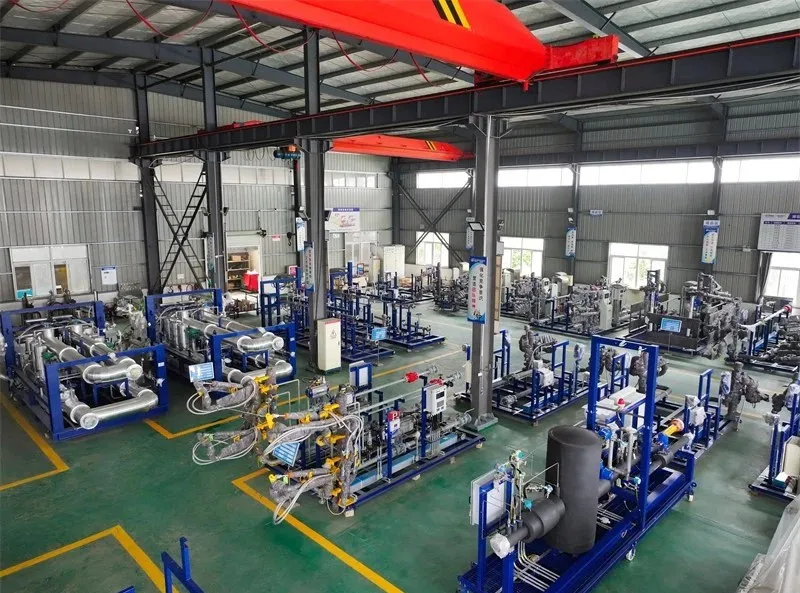
At Liftora Arm, we focus on the independent development and manufacturing of core components, enabling us to provide customers with robust marine loading arms, truck loading arms, and integrated metering skid systems tailored to diverse operating environments. Our comprehensive engineering service team collaborates closely with clients from initial concept through production and after‑sales support, ensuring cost‑effective solutions that meet stringent industry requirements. We adhere to international design and safety standards, and our products are engineered for durable performance, operational reliability, and ease of maintenance.
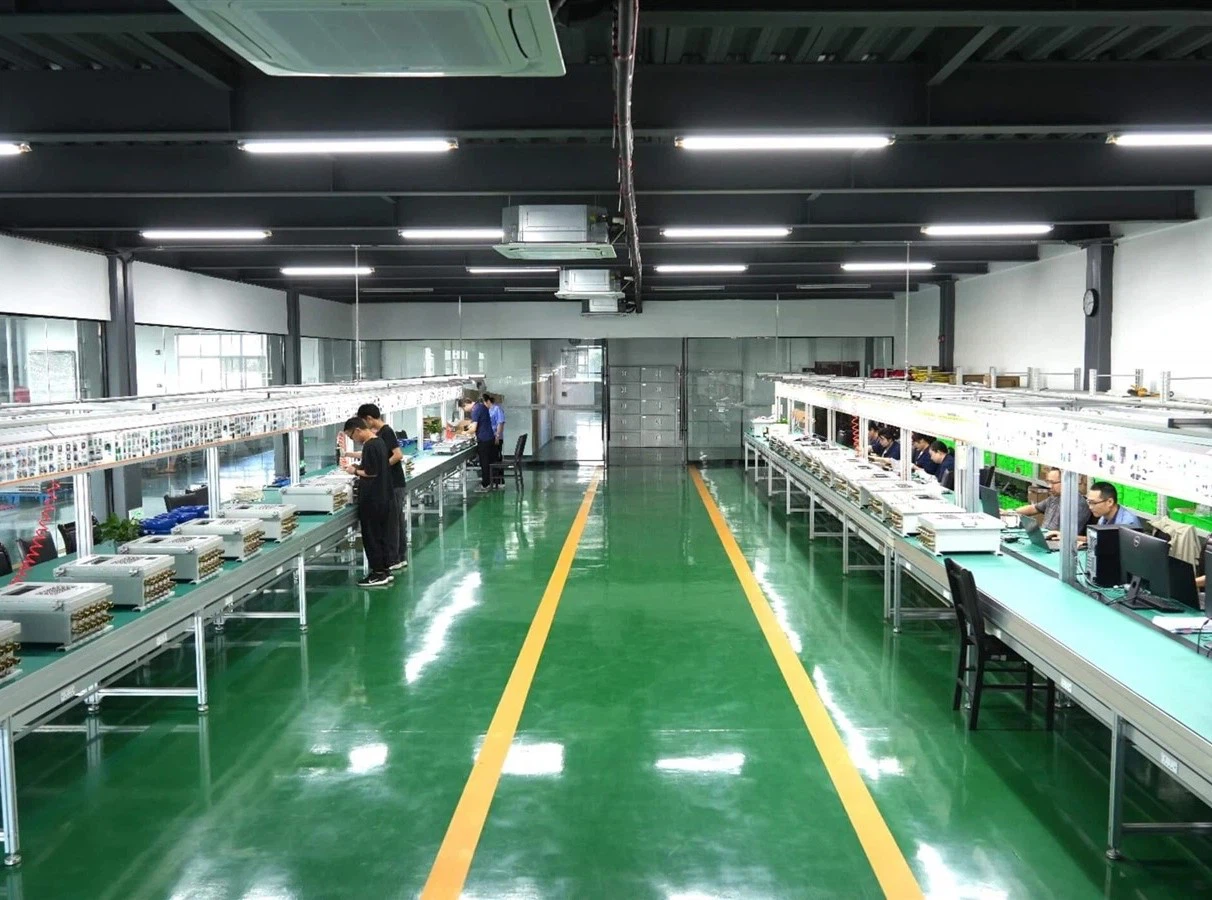
Committed to responsive service and global reach, Shenzhen Liftora Arm Co., Ltd. offers timely technical support, fast online responses, and reliable after‑sales services to clients worldwide. With a growing network of partners and distributors, Liftora Arm has earned the trust of engineering companies, terminal operators, and major industrial customers across Asia, Europe, Africa, and the Americas. Driven by continuous innovation and a customer‑centric approach, we strive to deliver fluid handling equipment that enhances efficiency, safety, and operational excellence in every application.
Why international engineering procurement groups choose Shenzhen Liftora Arm systems for critical projects.
Leveraging the world's most dense high-tech manufacturing and machining cluster to rapidly prototype, cast, and precision-machine specialized metallurgical components with extremely tight tolerances.
Our vertically integrated supply chain reduces manufacturing cycles by up to 35% compared to European competitors, accelerating shipping to African ports via optimized maritime corridors.
Every Swivel Joint and Emergency Release System undergoes radiographic weld testing, pressure sealing tests, and structural stress analysis before packaging and export.
Optimized configurations engineered for the environmental and chemical logistics challenges of the Ubangui-Congo river system.
High-flexibility marine loading arms tailored for high draft variances, ensuring continuous safe transfer of acids and chemical raw materials from river tankers to shore storage terminals during dry seasons.
Dual-arm configurations incorporating vapor return lines to prevent the escape of volatile organic compounds (VOCs) into local urban and agricultural communities along the CAR-Cameroon trade corridors.
Heavy-duty PTFE and Hastelloy-lined loading systems designed specifically for safe handling of aggressive mining reagents imported through critical Central African distribution channels.
The global fluid transfer sector is undergoing a massive digital transformation. Traditional manual loading systems are rapidly being phased out in favor of intelligent, sensor-equipped systems. Integration of Electro-Hydraulic Control Units (EHCU) with wireless remote interfaces allows operations personnel to control loading structures from a safe distance, away from dangerous chemical fumes.
Furthermore, predictive maintenance is becoming the norm. Modern loading arms can be configured with strain gauges, vibration sensors, and position monitoring technology. By analyzing structural stress and swivel joint seal wear in real-time, terminal operators can predict component failures before they occur, avoiding costly unscheduled shutdowns and eliminating spill risks. Green energy initiatives are also driving the development of specialized cryogenic loading configurations to transfer future clean fuels like liquid hydrogen and green ammonia.
Discover our comprehensive array of custom-engineered marine arms configured to address international safety standards.
When engineering procurement departments source fluid handling systems for installation in remote river terminals, strict design criteria must be prioritized. Sourcing based solely on cost often results in high lifecycle costs, structural failures, or catastrophic chemical spills. The following checklist highlights critical technical variables that must be detailed in all requests for proposals (RFPs):
Expert technical answers regarding structural design, chemical compatibility, international logistics, and terminal installation.
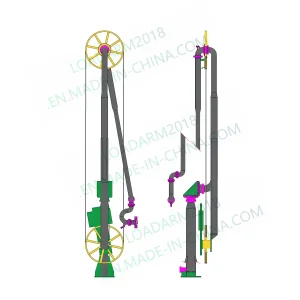
Marine Loading Arms (MLAs) provide significantly higher structural safety, mechanical longevity, and environmental security than flexible hoses. Hoses are susceptible to external wear, internal lining breakdown, kink-induced pressure spikes, and sudden rupture. In contrast, MLAs consist of rigid piping, high-integrity swivel joints, and counterbalanced structural supports. This design eliminates manual heavy lifting, decreases the risk of workplace injuries, supports high flow velocities, and facilitates the integration of vital safety systems like Emergency Release Systems (ERS) and vapor recovery loops.
Seasonal water level fluctuations (such as those of the Ubangui River, which can vary by several meters between the wet and dry seasons) require loading arms with broad envelopes of movement. We perform computer-aided structural simulations to verify that the loading arm can reach the barge connection manifold at both the lowest low-water and highest high-water levels without putting excessive bending stress on the swivel joints. We also design extended reach dimensions and include customizable pantograph balancing mechanisms to accommodate large vertical and horizontal drift zones.
For aggressive chemicals like strong acids (sulfuric acid, hydrochloric acid), caustic alkalis, and complex petrochemical solvents, the wetted parts are typically manufactured from 316L Stainless Steel or titanium alloys. For highly corrosive acids, we use specialized internal fluoropolymer linings, such as PTFE (Polytetrafluoroethylene) or PFA. The structural support elements can remain in high-tensile carbon steel, protected by marine-grade anti-corrosive coatings, to maintain cost-efficiency while guaranteeing total chemical resistance on all product-contact surfaces.
We integrate an Emergency Release System (ERS) composed of two interlocking shutoff valves (ball or butterfly type) combined with an Emergency Release Coupler (ERC). In an emergency—such as the vessel drifting past its safe operating envelope—the system triggers automatically: both valves close instantly within milliseconds, isolating fluid in both the terminal piping and the ship manifold before the coupler releases. This ensures dry-break isolation, preventing chemical discharge into the environment.
We provide both configurations. Smaller loading arms (typically 3" to 6" in diameter) can be balanced so precisely with counterweights that they can be easily operated manually by a single technician. For larger diameters (8" and above) or multi-arm terminals handling high-throughput volumes, we integrate a centralized Electro-Hydraulic Control Unit (EHCU). This allows operators to control all movements smoothly via a local control panel or remote explosion-proof radio pendant.
Sourcing heavy infrastructure to CAR involves transport via key regional ports (primarily the Port of Douala in Cameroon or the Port of Pointe-Noire in the Congo) followed by secure overland heavy transport corridors to Bangui. Alternatively, cargo can be shipped via river barge systems from Brazzaville/Kinshasa. Shenzhen Liftora Arm partners with experienced international freight forwarders specialized in project cargo logistics in Central Africa, providing custom export packaging, ocean transit, customs clearance support, and final overland delivery to the client terminal site.
Consult with Liftora's engineering team to design custom loading arm solutions that meet your terminal specifications, safety parameters, and chemical compliance guidelines.
Send Inquiry Now Liftora Arm