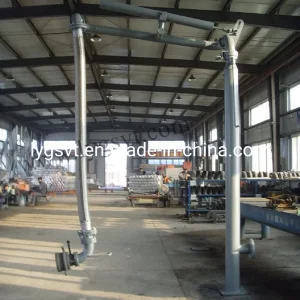
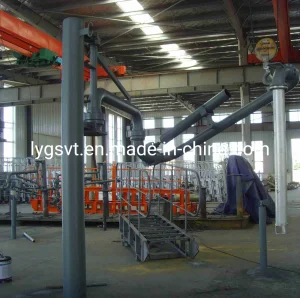
Heavy-duty transfer assemblies customized for Baltic and Adriatic industrial corridors
Expanding Liquid Bulk Terminal Operations along the Adriatic Sea
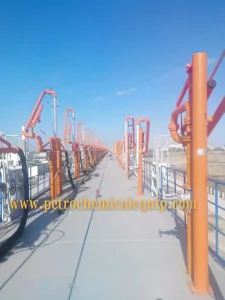
As Montenegro continues its economic integration with the European Union, its role as a strategic gateway to the Balkan region has intensified. Key maritime hubs, most notably the Port of Bar (Luka Bar), serve as critical entry points for refined petroleum products, liquid chemicals, agricultural fertilizers, and liquefied gases. The transshipment of chemical fluids from ocean tankers to overland truck fleets demands exceptionally robust, secure, and environmentally compliant terminal infrastructure. Modern chemical loading arms have replaced outdated hose-based systems, offering unmatched safety and efficiency at these high-pressure logistics intersections.
Under strict alignment with the European Agreement concerning the International Carriage of Dangerous Goods by Road (ADR) and local environmental preservation policies designed to protect the fragile Adriatic ecosystem, Montenegrin logistics operators must implement closed-loop transfer solutions. Toxic and corrosive fluids—such as hydrochloric acid, caustic soda, ammonia, and volatile organic compounds (VOCs)—cannot be allowed to vent into the atmosphere or leak onto the terminal concrete. Specialized truck chemical loading arms with dedicated vapor recovery lines are vital in preventing toxic exposure, containing environmental liability, and maintaining high-velocity throughput at regional distribution terminals.
Whether supplying agricultural chemical products to the northern industrial zones near Nikšić and Podgorica, or facilitating the transit of chemical cargoes through the regional highway corridors connecting Montenegro to Serbia, Bosnia & Herzegovina, and Albania, logistics companies are upgrading to state-of-the-art terminal infrastructure. Rigorous engineering specifications are required to withstand Adriatic maritime atmospheric corrosion, high humidity, and extreme summer temperatures, ensuring continuous operation without sealing degradation or mechanical failures.
The Evolution from High-Risk Hoses to Rigid Articulated Piping Systems
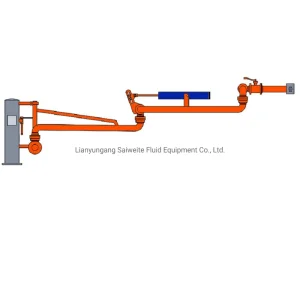
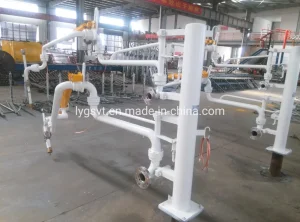
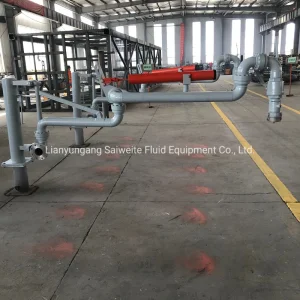
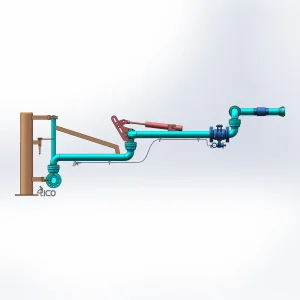
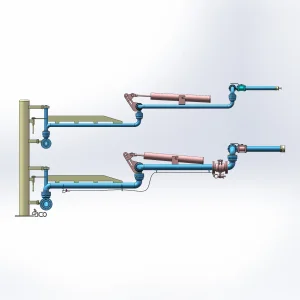
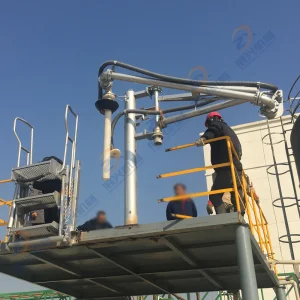
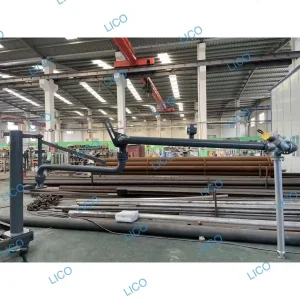
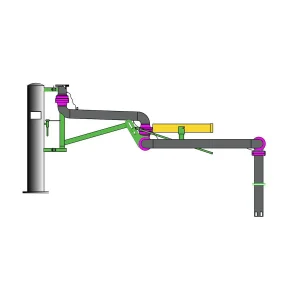
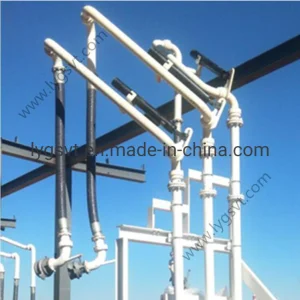
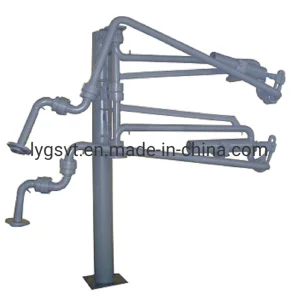
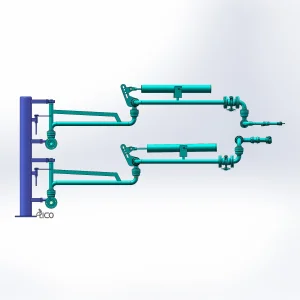
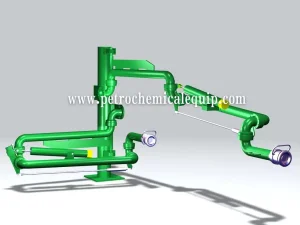
Across the globe, the chemical and petrochemical industries are moving away from traditional flexible rubber or composite hoses due to safety concerns and high failure rates. Rigid, articulated chemical loading arms present a safer, more durable engineering alternative. Constructed from heavy-walled seamless pipe sections linked by high-precision, low-torque mechanical swivel joints, these loading systems offer unmatched reliability and structural integrity under high pressure and temperature cycles.
Modern fluid transfer operations utilize two primary configurations: Top Loading and Bottom Loading. Top loading arms are traditionally used for non-pressurized chemical liquids and acid transfer, operating via manholes on the top of the truck tanker. Bottom loading systems have quickly become the global industry standard for volatile, toxic, and high-pressure chemicals, including LPG, liquefied ammonia, and flammable solvents. Bottom loading allows operators to remain safely on the ground, reduces static electricity buildup by introducing fluid from the bottom, and facilitates closed-loop vapor recovery to keep VOC emissions near zero.
Global terminal operators require loading arms that comply with major international design standards, including API RP 1004 (for bottom loading couplers and envelopes), ASME B31.3 (process piping code), and the ASTM standards governing chemical metallurgy. By implementing advanced safety mechanisms, such as emergency breakaway couplers, dry-disconnect quick couplings, and integrated overfill prevention sensors, facilities can mitigate environmental risks and prevent catastrophic containment losses.
High-Precision Fabrication, Strict Quality Assurance, and Scalable Delivery
China has emerged as a global leader in heavy industrial fluid handling equipment. By combining advanced metallurgy with state-of-the-art CNC machining and cost-effective production scaling, Chinese manufacturers provide high-value alternatives to Western European and North American equipment providers. This manufacturing model ensures that operators in emerging industrial hubs like Montenegro can procure premium-tier equipment without prohibitive capital expenditures.
Shenzhen Liftora Arm Co., Ltd. leads this industry, blending high-end Chinese manufacturing speed with strict adherence to Western European quality standards. Liftora manages the entire fabrication cycle, from raw casting and precision machining of critical swivel joints to the assembly of spring-balanced cylinders and skid-mounted metering units. By keeping engineering, structural welding, NDT testing, and final assembly in-house, Liftora guarantees that every chemical loading arm shipped to Montenegro meets the highest quality requirements.
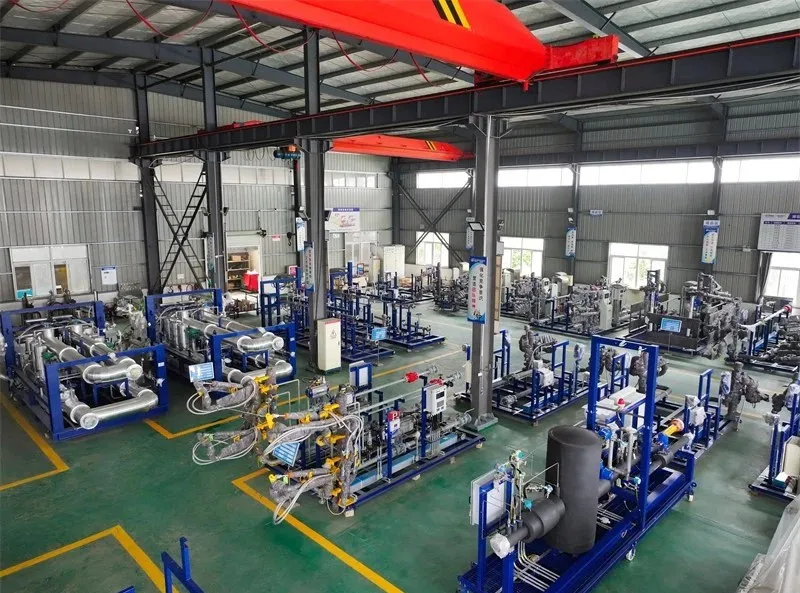
Our fabrication facilities in Shenzhen utilize advanced engineering methods to ensure exceptional performance in the field:
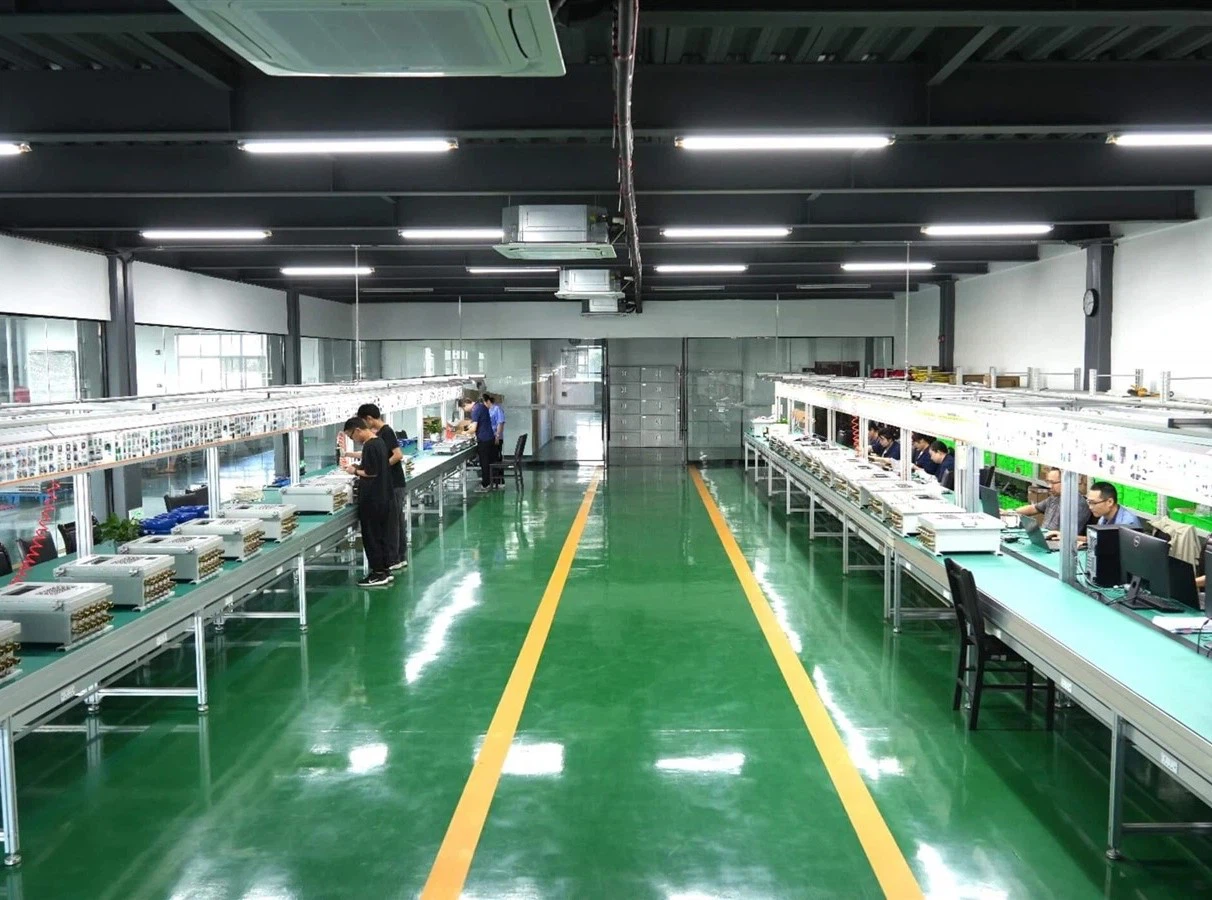
Shenzhen Liftora Arm Co., Ltd. is a professional manufacturer and engineering company specializing in the design, development, and production of advanced loading arm systems and fluid transfer solutions. Founded with a commitment to innovation, quality, and customer satisfaction, Liftora Arm has rapidly grown into a trusted partner for global energy, petrochemical, and industrial fluid handling projects. Our headquarters and manufacturing facilities in Shenzhen, China are equipped with modern production lines, precision fabrication tools, and rigorous testing equipment to ensure the consistent delivery of high‑performance products.
At Liftora Arm, we focus on the independent development and manufacturing of core components, enabling us to provide customers with robust marine loading arms, truck loading arms, and integrated metering skid systems tailored to diverse operating environments. Our comprehensive engineering service team collaborates closely with clients from initial concept through production and after‑sales support, ensuring cost‑effective solutions that meet stringent industry requirements. We adhere to international design and safety standards, and our products are engineered for durable performance, operational reliability, and ease of maintenance.
Committed to responsive service and global reach, Shenzhen Liftora Arm Co., Ltd. offers timely technical support, fast online responses, and reliable after‑sales services to clients worldwide. With a growing network of partners and distributors, Liftora Arm has earned the trust of engineering companies, terminal operators, and major industrial customers across Asia, Europe, Africa, and the Americas. Driven by continuous innovation and a customer‑centric approach, we strive to deliver fluid handling equipment that enhances efficiency, safety, and operational excellence in every application.
Engineered to match the chemical compatibility guidelines of European and global standards
| Parameter / Component | Standard Specification | Corrosive / Heavy-Acid Option | Liquefied Gas (LPG/Ammonia) Option |
|---|---|---|---|
| Nominal Diameter | 2" (DN50), 3" (DN80), 4" (DN100) | 2" to 4" (DN50 - DN100) | 1" to 4" (DN25 - DN100) |
| Piping Material | ASTM A312 TP304/TP316L Stainless Steel | ASTM A312 TP316L / PFA-lined Carbon Steel | Low-Temp Carbon Steel (A333 Gr.6) |
| Swivel Joint Seal | PTFE + FKM Double O-Ring Seal | Virgin PTFE / Hastelloy Reinforced Spring Seal | PTFE + Low-Temp Nitrile (Buna-N) |
| Operating Pressure | 1.0 MPa to 2.5 MPa (10-25 bar) | 1.6 MPa (16 bar) | 4.0 MPa (40 bar) |
| Temperature Range | -29°C to +80°C | -40°C to +120°C | -50°C to +80°C |
| Balancing Mechanism | Adjustable Compression Spring Cylinder | Fluoropolymer-Coated Spring Cylinder | Dual Spring Cylinder (for heavier lines) |
Explore our certified fluid, chemical, and gas transfer assemblies
Smart Monitoring, Zero Emissions, and Pre-engineered Skid Systems
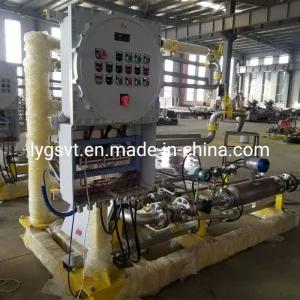
The international bulk chemical distribution industry is undergoing a major technological transformation. Driven by stringent environmental guidelines and rising labor safety standards, terminals are moving toward fully integrated, automated loading platforms. Rather than sourcing individual loading arms, valves, and flow meters from different suppliers, operators increasingly prefer pre-assembled skid systems. These skid systems are fully pre-wired, tested, and integrated with flow meters, batch controllers, and loading arms on a single structural base frame. This modular design minimizes on-site construction time, ensuring immediate operation upon delivery.
Furthermore, the adoption of Industrial IoT (Internet of Things) technology is redefining preventive maintenance for chemical loading operations. Smart sensors integrated into the swivel joints can monitor temperature variations, vibration levels, and real-time seal wear. This data allows terminal managers to schedule seal replacements before leaks occur, preventing unscheduled downtime and hazardous chemical spills.
When selecting chemical loading arms for installation in Adriatic ports or regional storage terminals, verify the following specifications with your engineering supplier:
Expert answers regarding chemical loading arms and terminal operations
For highly corrosive acids, standard stainless steel (SS304/316) is often insufficient over long operational cycles. We recommend using carbon steel or stainless steel pipes lined with Fluoropolymers like PFA or PTFE. Additionally, the swivel joints must feature specialized corrosion-resistant seals, such as Hastelloy-reinforced PTFE, to prevent premature seal failure and acid leaks.
Bottom loading arms offer superior safety and environmental control. Operators can connect the arm from ground level, eliminating the fall hazards associated with climbing onto tank trucks. It also facilitates easier integration of vapor recovery systems, minimizes static electricity buildup through bottom filling, and speeds up the transfer process by allowing multiple compartments to be filled simultaneously.
All Liftora loading arms are designed and manufactured in strict compliance with international standards, including ASME B31.3 and API RP 1004. Before shipping, we perform 100% hydrostatic and radiographic testing on all structural welds and pressure parts. Full material test reports (MTRs), WPS/PQR welding documentation, and CE/ATEX certification packages are provided with each delivery to guarantee smooth compliance reviews by local authorities in Montenegro.
Standard manufacturing timelines range from 6 to 10 weeks, depending on the complexity of the materials and project customization. Liftora provides comprehensive online and remote engineering support for installation and commissioning. For major terminal projects, we can also dispatch our service technicians to provide on-site supervision, training, and final calibration.
 Liftora Arm