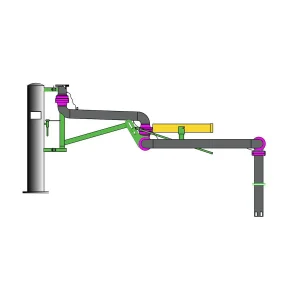
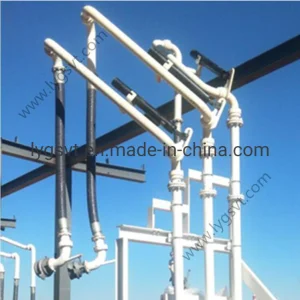
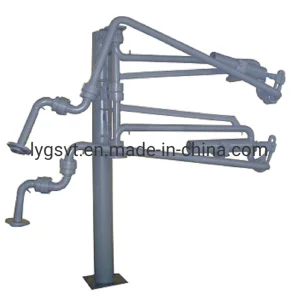
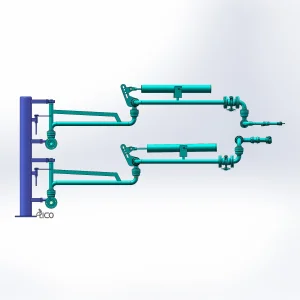
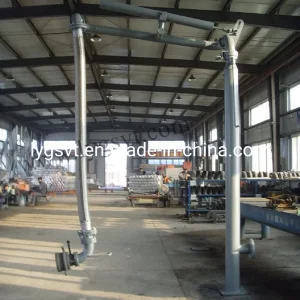
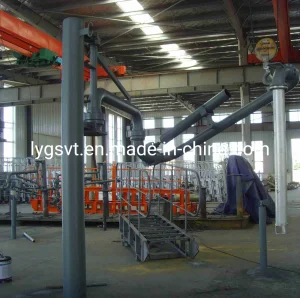
Deploying safety-critical top & bottom loading arms engineered to control emissions and secure hazardous fluid handling across Mali's transit corridors.
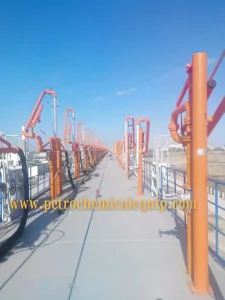
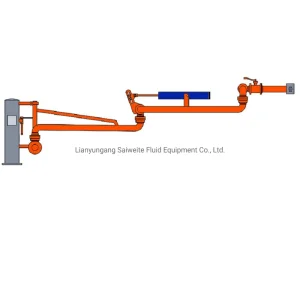
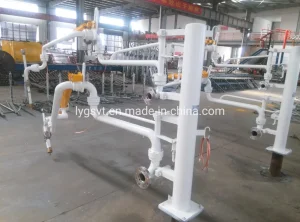
As a landlocked nation relying heavily on interstate road corridors from ports like Dakar and Abidjan, Mali demands exceptionally resilient engineering to prevent hazardous fluid containment failures.
Mali's industrial landscape is heavily anchored by its expanding mining industry, especially gold mining in regions such as Kayes, Sikasso, and Koulikoro. Gold extraction and processing demand continuous supplies of highly toxic and corrosive reagents—including sodium cyanide, concentrated sulfuric acid, hydrochloric acid, nitric acid, and liquid caustic soda. Additionally, the lack of local refining capacity forces the landlocked nation to import massive volumes of refined petroleum, LPG, and ammonia over thousands of kilometers of rough, unpaved terrain.
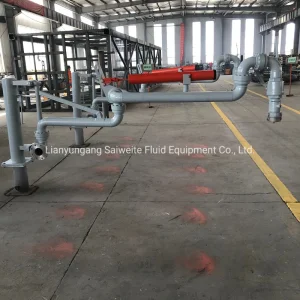
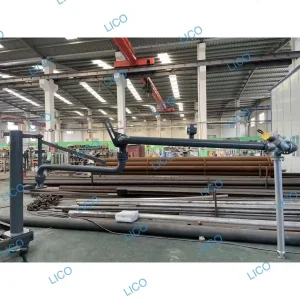
Once chemical tankers arrive at regional storage depots, distribution facilities, or gold processing plants, fluid transfer systems become the most safety-critical points in the supply chain. Standard hose connections present major hazards: rapid degradation from corrosive chemicals, severe wear from extreme Sahelian heat (which frequently exceeds 40°C), and risks of human error leading to hazardous spills. Our heavy-duty truck chemical loading arms are engineered specifically to overcome these logistics and environmental hurdles in Mali.
With high-grade materials (such as SS316L, Hastelloy, and full PTFE linings) and high-performance, double-ball-race swivel joints, our fluid transfer systems ensure secure, leak-free connections. These systems protect terminal operators from noxious fumes, prevent environmental contamination in nearby watersheds, and keep mining sites compliant with international environmental protocols.
Ensuring full compliance with international safety protocols for international chemical buyers and domestic operators in Mali.
All chemical loading arms destined for corrosive acids and bases undergo rigorous Positive Material Identification (PMI). We match specific mediums to alloys like SS304, SS316L, Titanium, or specialized Fluoropolymer coatings (PTFE/PFA).
Equipped with integrated vapor return lines, gas-tight seals, and emergency release couplers (ERC). This design isolates toxic and volatile compounds (like benzene, LPG, or ammonia) from escaping during bulk transfers.
Engineered for the high-dust, high-heat Saharan climate. Double-groove ball-bearing configurations prevent dust ingress, while self-lubricating PTFE seals maintain low-torque flexibility and zero maintenance delays.
To operate safely within Mali's chemical infrastructure, fluid transfer systems must rely on precise, high-performance engineering. Our manufacturing process uses automated welding, CNC machining, and non-destructive testing (NDT), ensuring each loading arm meets strict regulatory standards. The core structure is designed to absorb mechanical stresses and wind loads, making it ideal for open-air, off-grid industrial terminals.
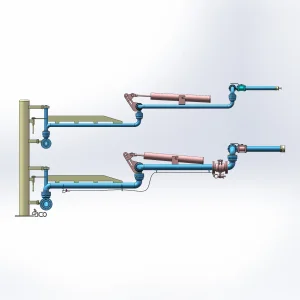
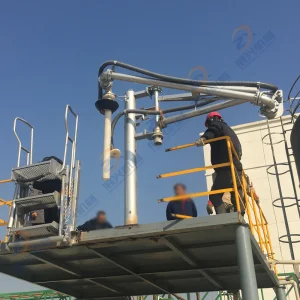
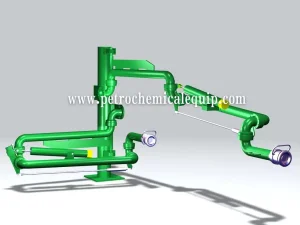
Transitioning from top loading to closed bottom loading is one of the most effective safety upgrades for handling hazardous fluids. Bottom loading systems improve safety by keeping operators on the ground rather than climbing onto vehicle roofs. This eliminates fall hazards and simplifies connection workflows. Additionally, our bottom loading arms come standard with API couplers and vapor recovery connections, containing hazardous chemical and hydrocarbon vapors inside a closed loop to keep emissions near zero.
For high-risk chemical transfers (such as anhydrous ammonia or caustic soda), the loading arm can be configured with an Emergency Release System (ERS) or a breakaway coupling. If a truck accidentally pulls away mid-transfer, the breakaway coupling automatically shuts off the internal valves on both sides of the line before the arm separates. This instantly cuts off flow and prevents catastrophic chemical spills, protecting operators, loading platforms, and the surrounding environment from exposure.
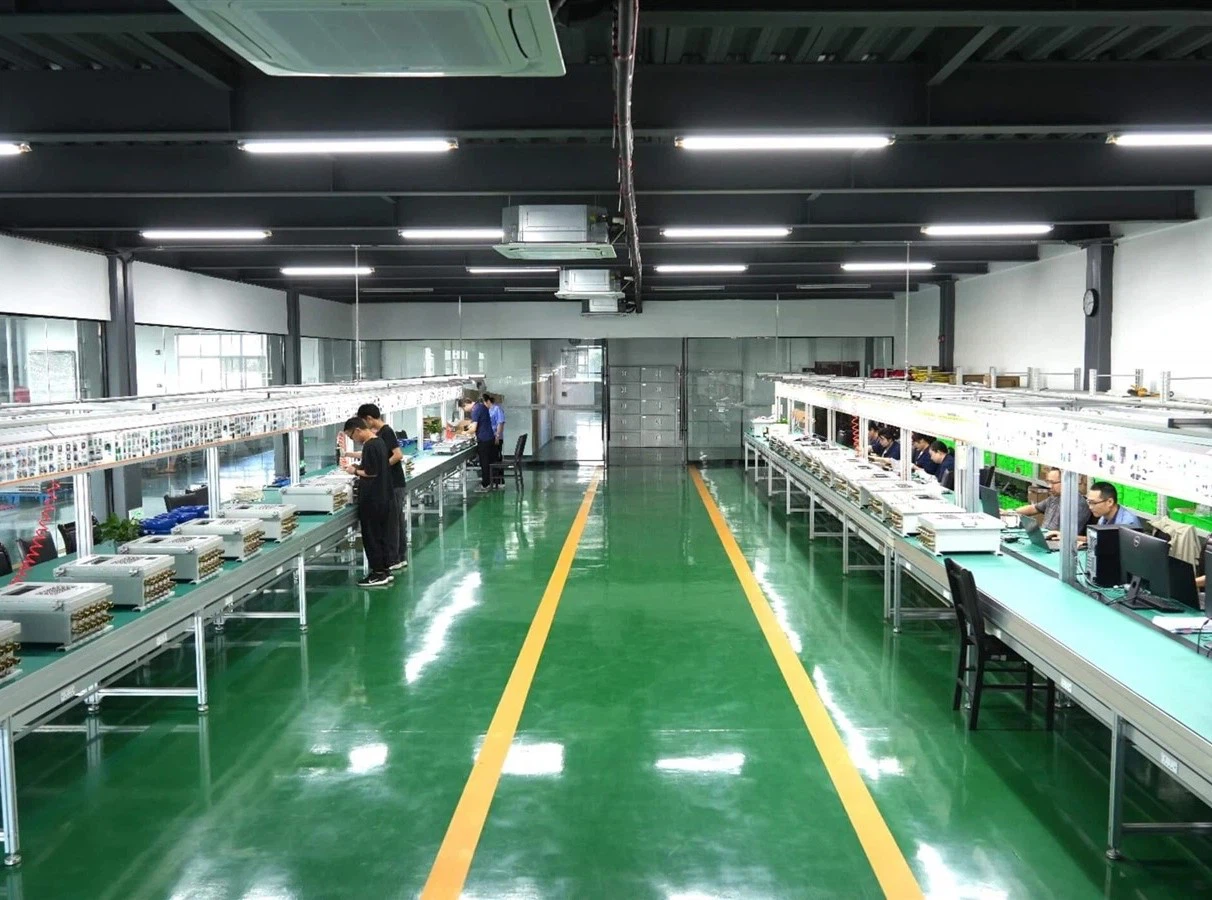
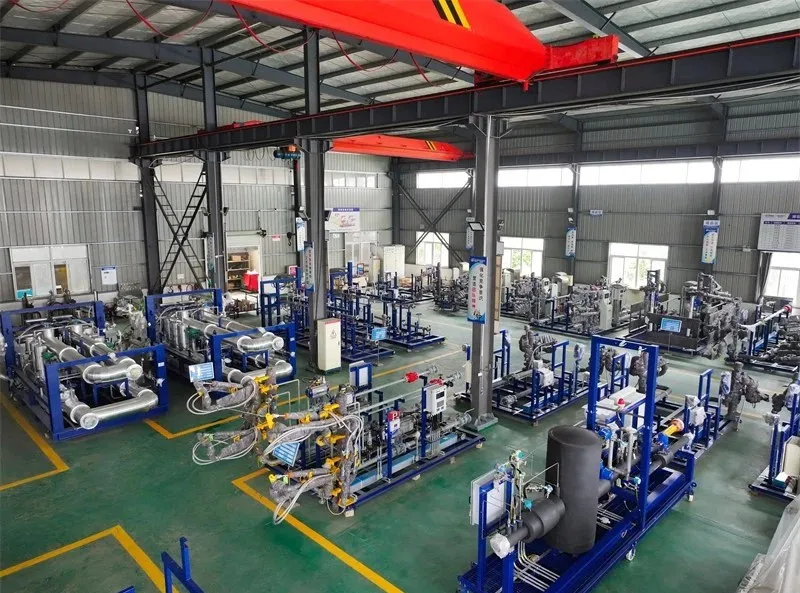
Shenzhen Liftora Arm Co., Ltd. is a professional manufacturer and engineering company specializing in the design, development, and production of advanced loading arm systems and fluid transfer solutions. Founded with a commitment to innovation, quality, and customer satisfaction, Liftora Arm has rapidly grown into a trusted partner for global energy, petrochemical, and industrial fluid handling projects. Our headquarters and manufacturing facilities in Shenzhen, China are equipped with modern production lines, precision fabrication tools, and rigorous testing equipment to ensure the consistent delivery of high‑performance products.
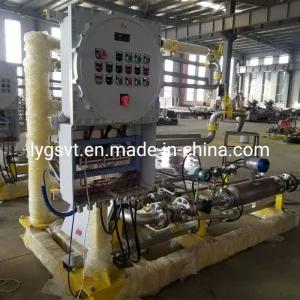
At Liftora Arm, we focus on the independent development and manufacturing of core components, enabling us to provide customers with robust marine loading arms, truck loading arms, and integrated metering skid systems tailored to diverse operating environments. Our comprehensive engineering service team collaborates closely with clients from initial concept through production and after‑sales support, ensuring cost‑effective solutions that meet stringent industry requirements. We adhere to international design and safety standards, and our products are engineered for durable performance, operational reliability, and ease of maintenance.
Committed to responsive service and global reach, Shenzhen Liftora Arm Co., Ltd. offers timely technical support, fast online responses, and reliable after‑sales services to clients worldwide. With a growing network of partners and distributors, Liftora Arm has earned the trust of engineering companies, terminal operators, and major industrial customers across Asia, Europe, Africa, and the Americas. Driven by continuous innovation and a customer‑centric approach, we strive to deliver fluid handling equipment that enhances efficiency, safety, and operational excellence in every application.
From our manufacturing plants to your project sites in Bamako, Kayes, or Sikasso, we guarantee reliable shipping, custom configurations, and comprehensive technical support.
Purchasing heavy fluid-transfer systems in West Africa requires clear planning for logistics, customs, and long-term maintenance. As an exporter to the region, Shenzhen Liftora Arm Co., Ltd. provides complete support documentation, including Certificate of Conformity (CoC), material test reports (EN 10204 3.1), and detailed assembly drawings to ensure smooth customs clearance through African corridors.
Direct answers to key engineering, installation, and operation questions from our senior fluid transfer technical team.
Select from our certified industrial fluid loading arms, quick couplers, and vapor recovery systems to fit your site specifications.
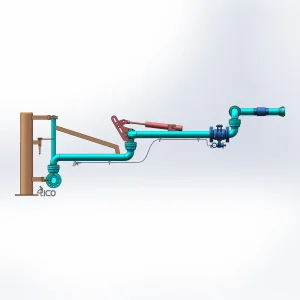
Work directly with Shenzhen Liftora Arm Co., Ltd. for custom-designed fluid transfer systems. Contact our application engineers today for tailored specifications, dimensional drawings, and complete cost estimates.
 Liftora Arm