General Description
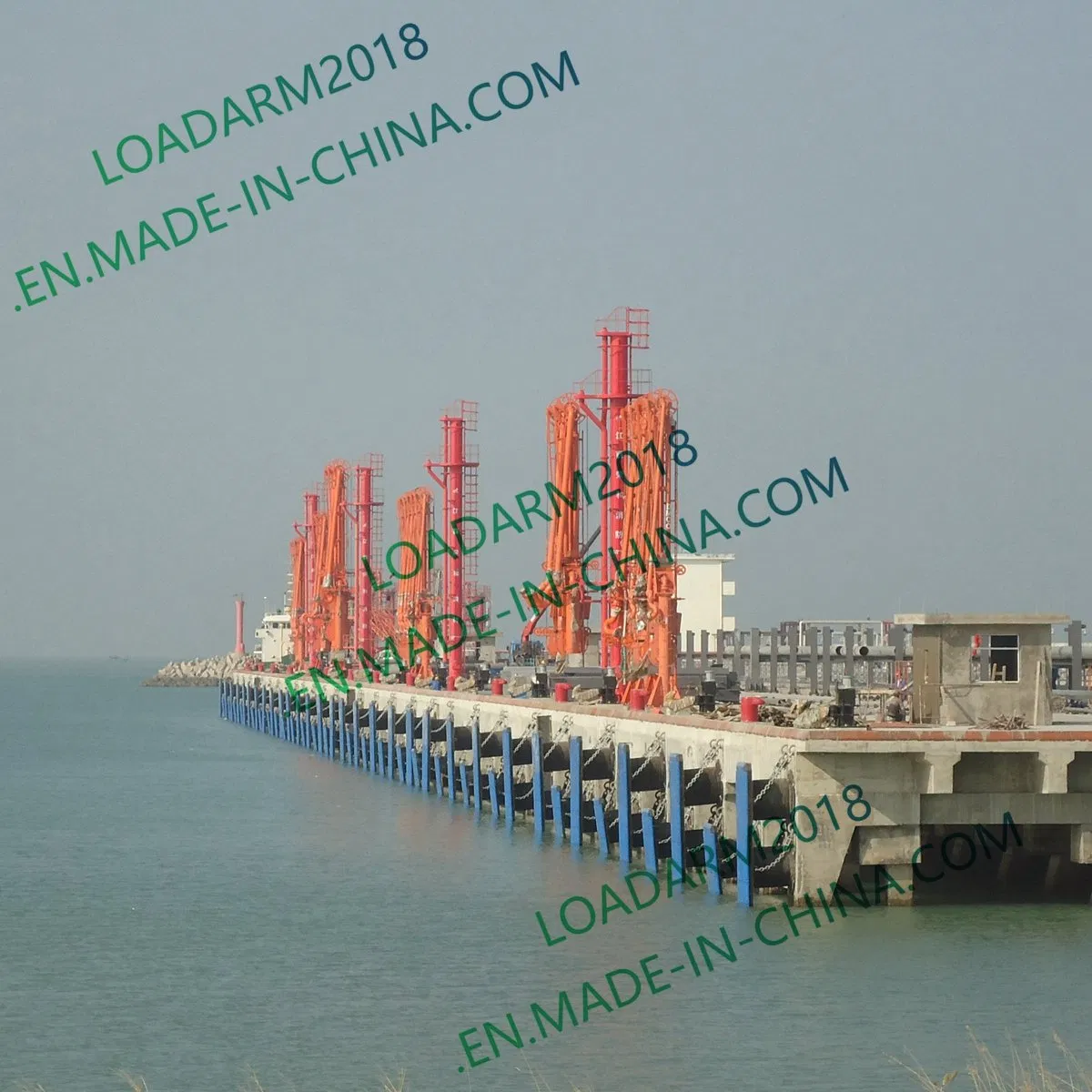
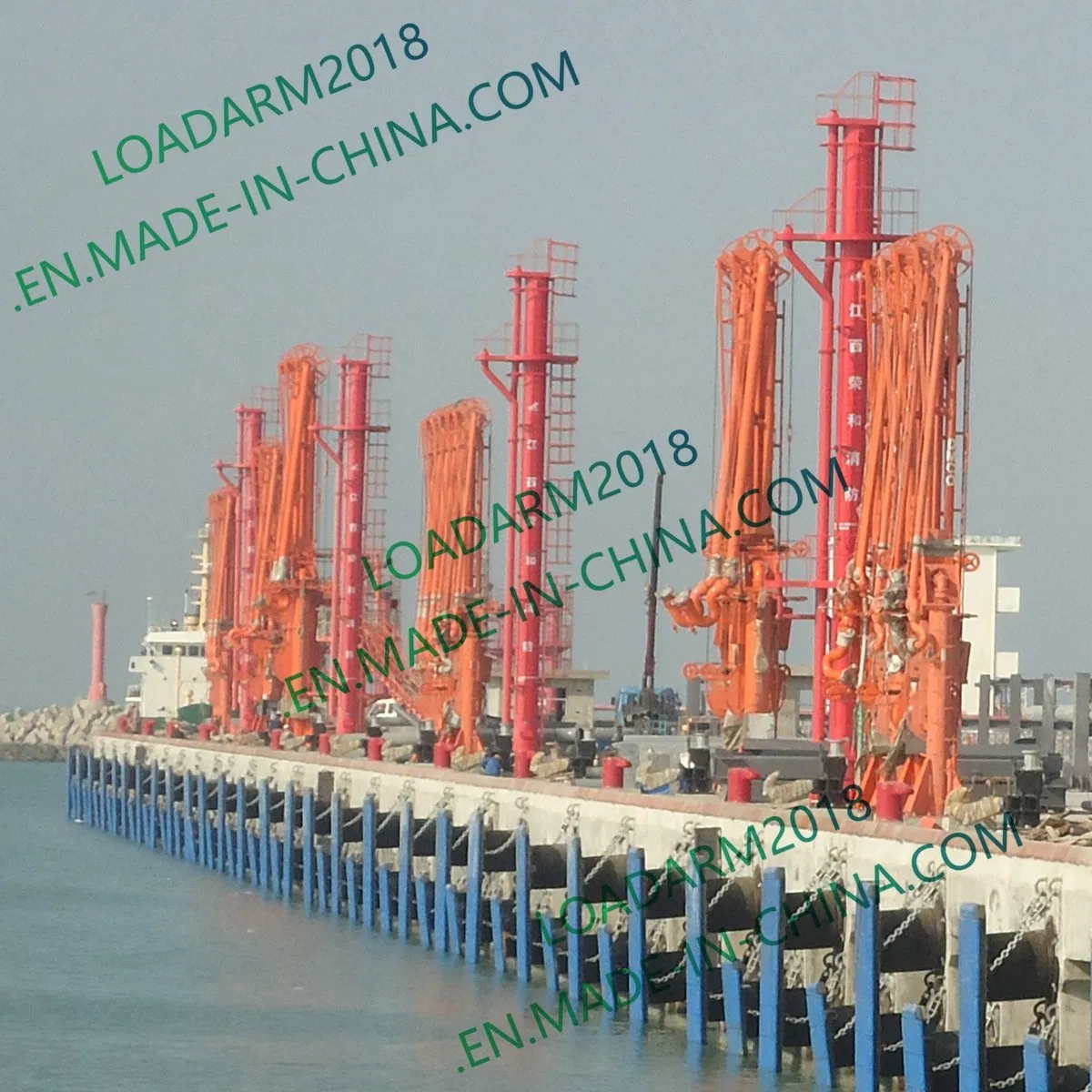
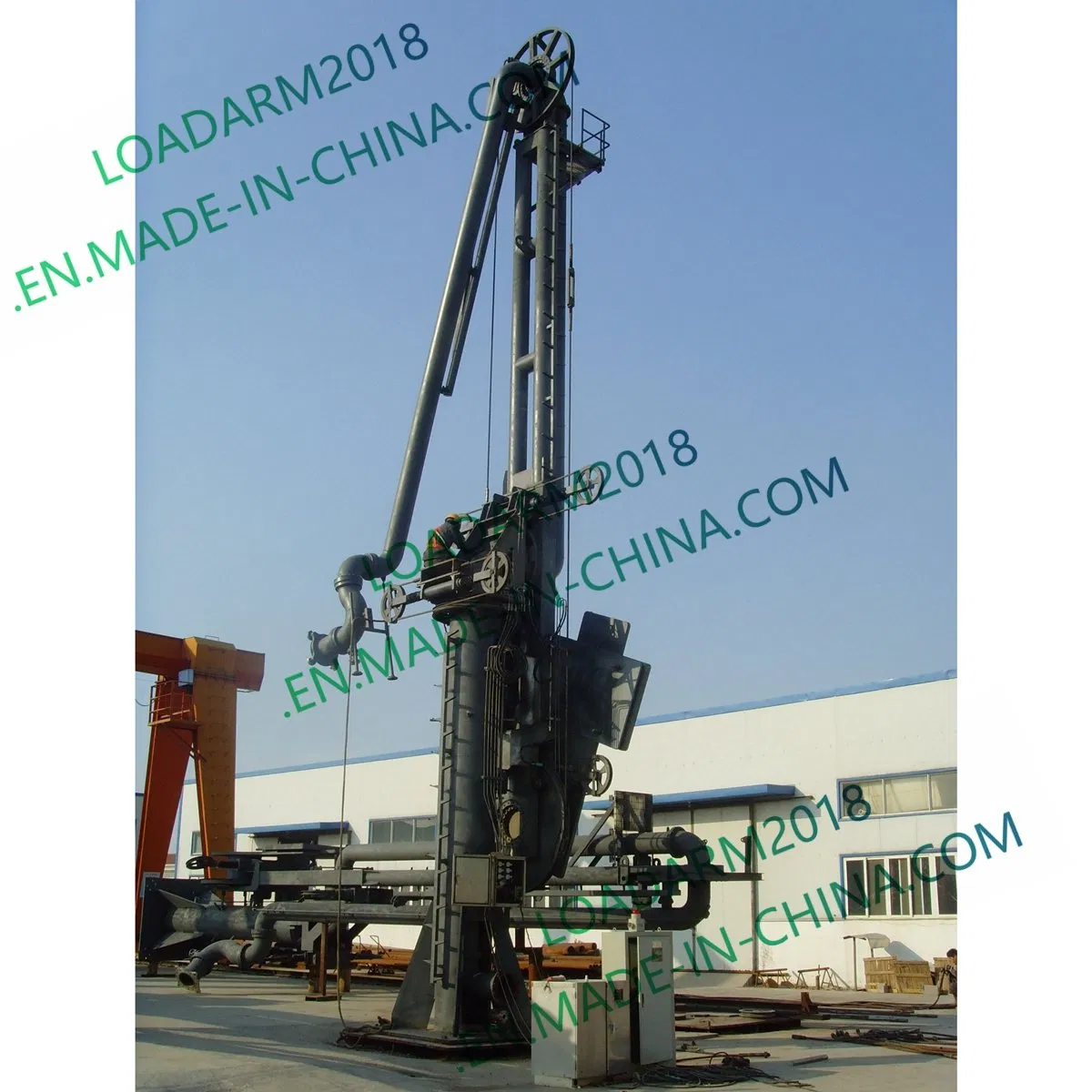
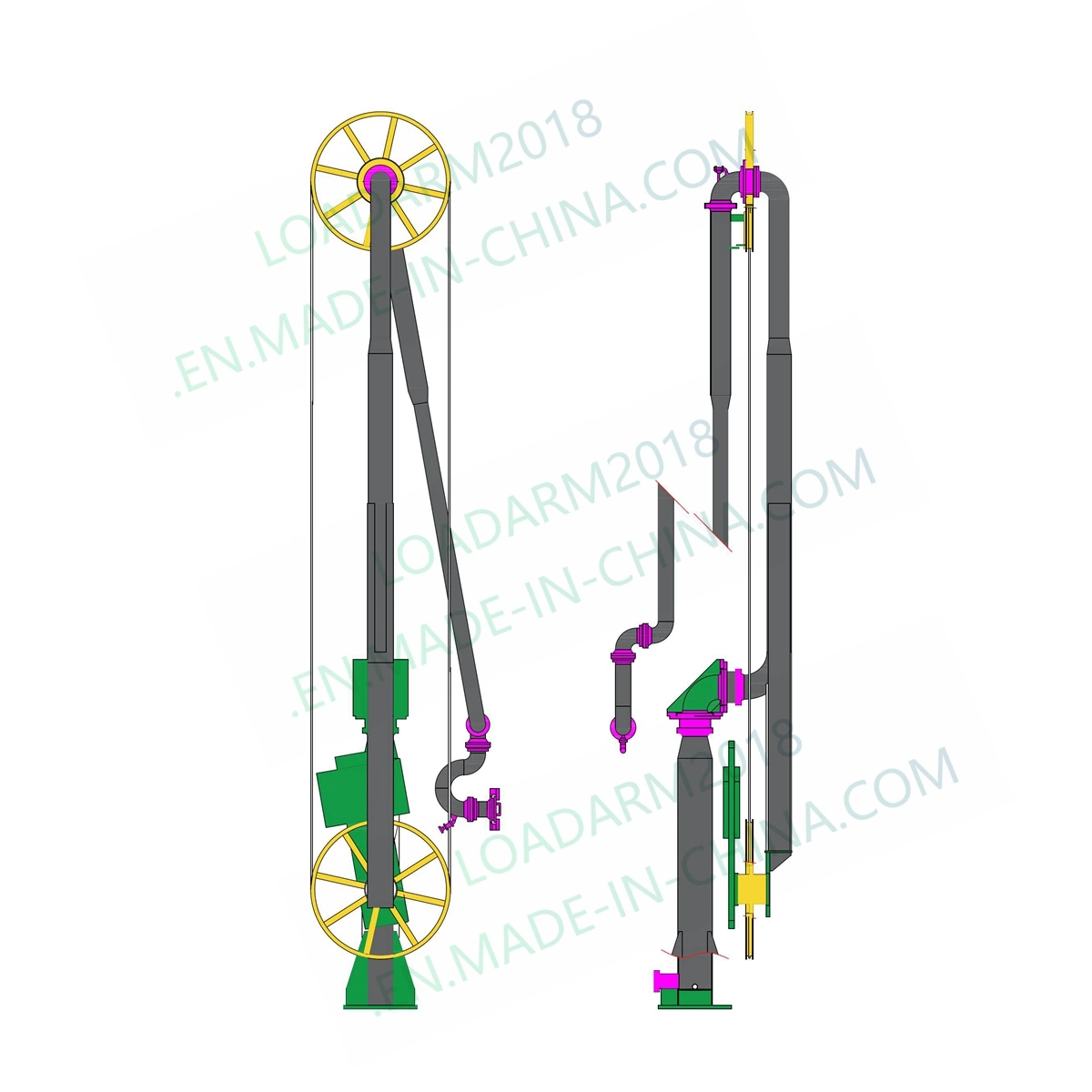
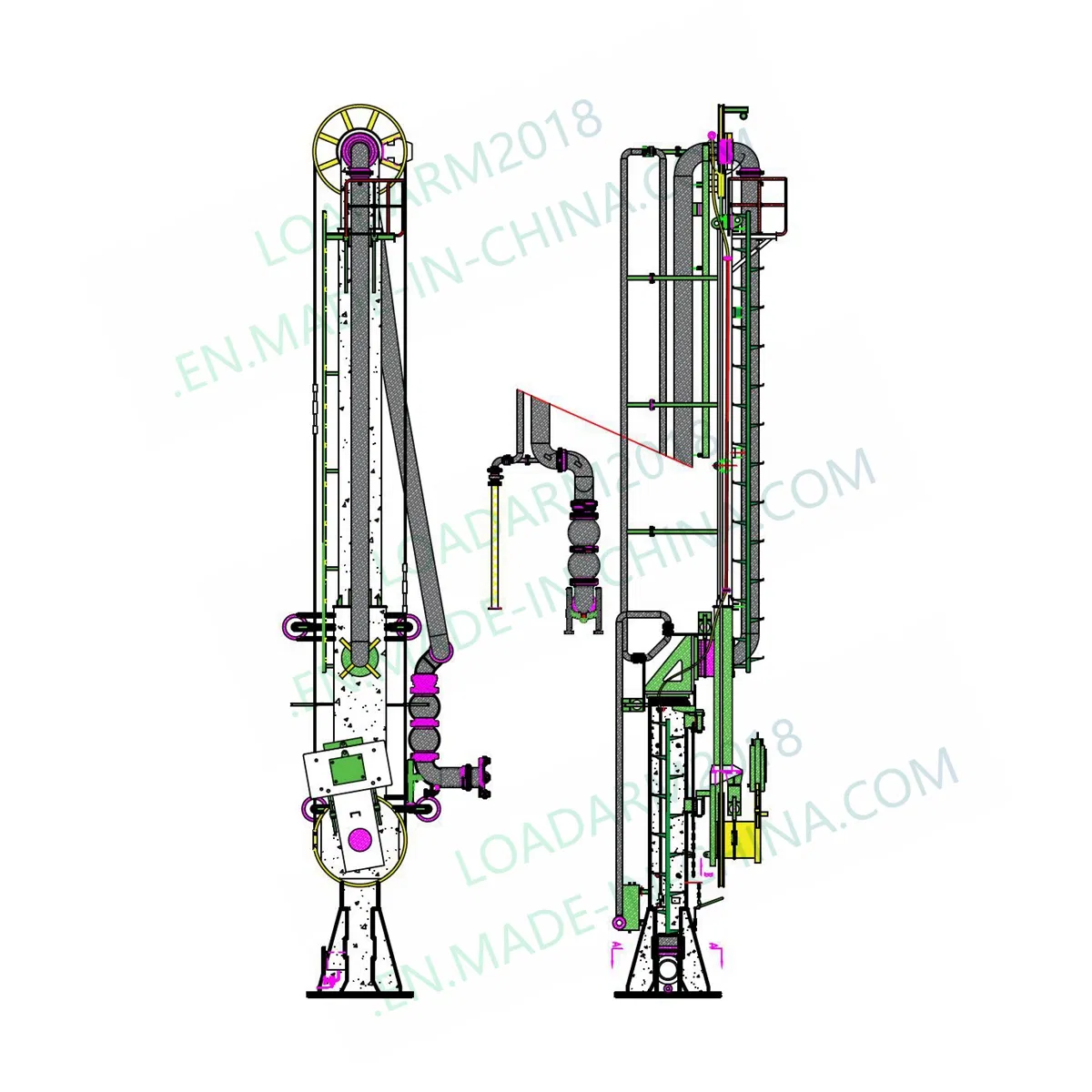
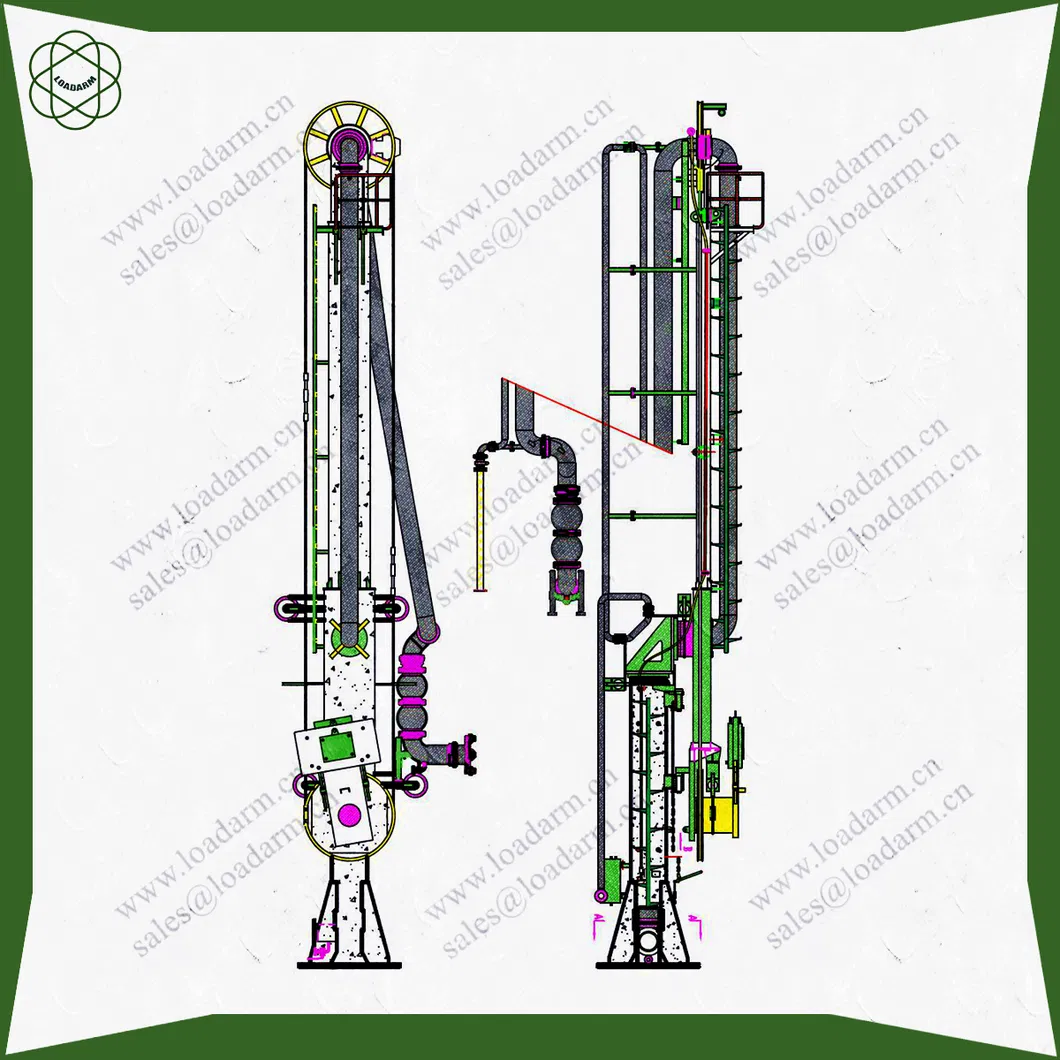
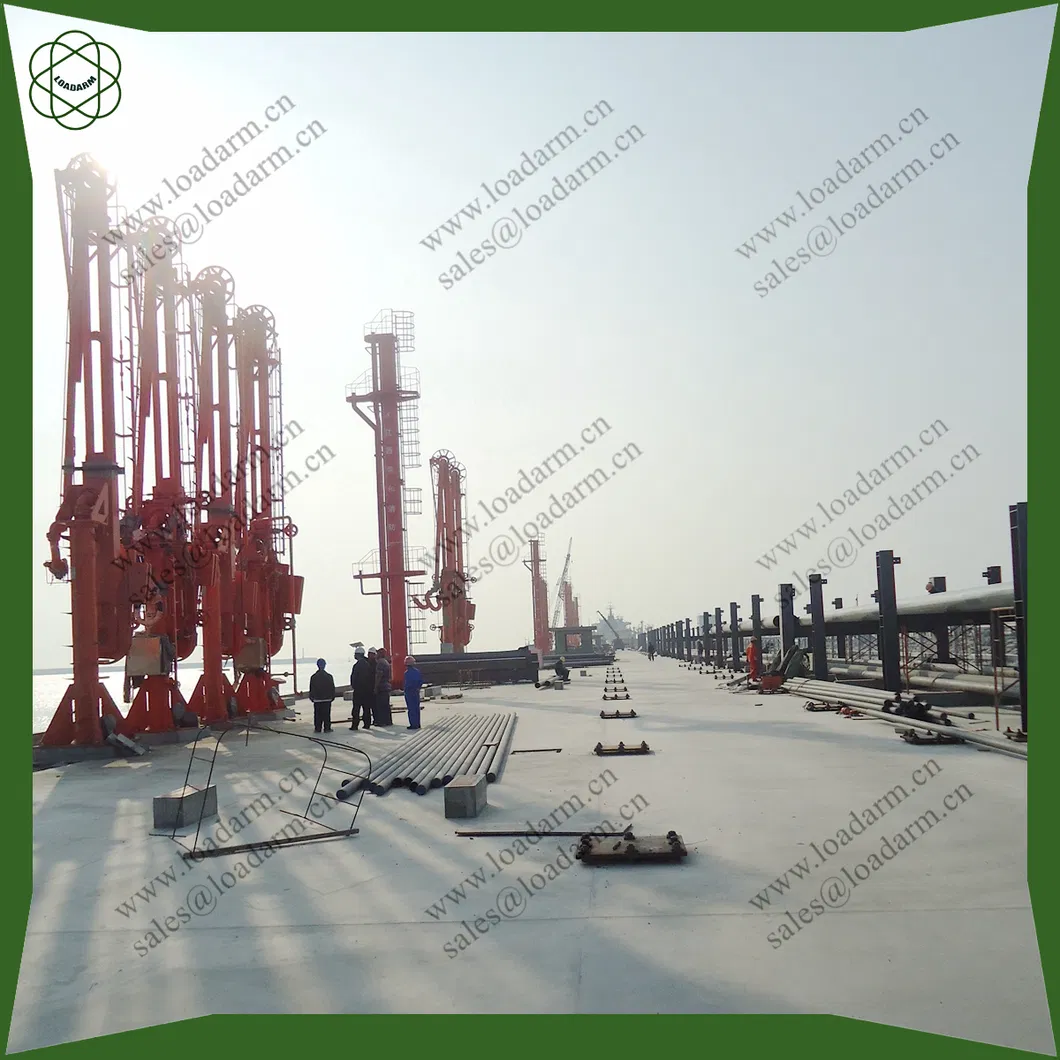
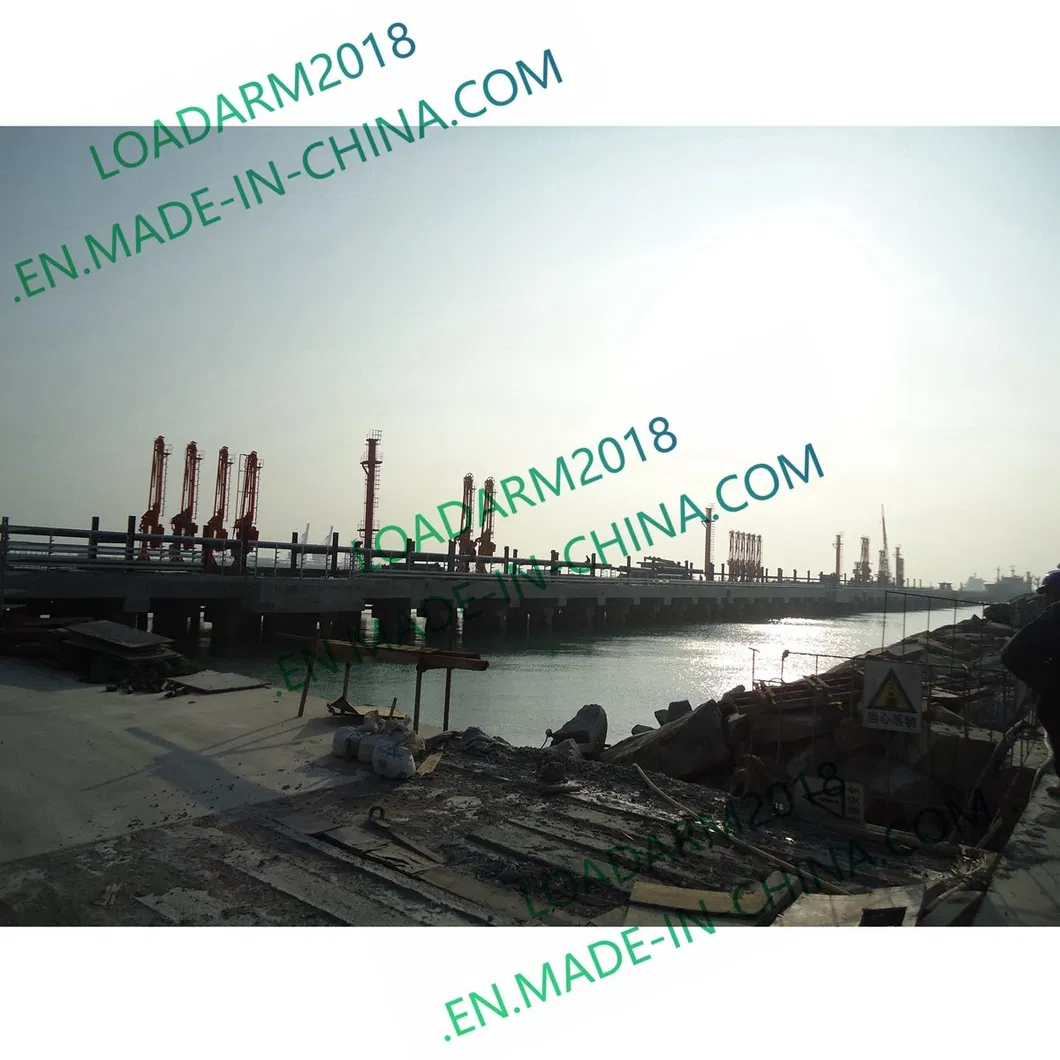
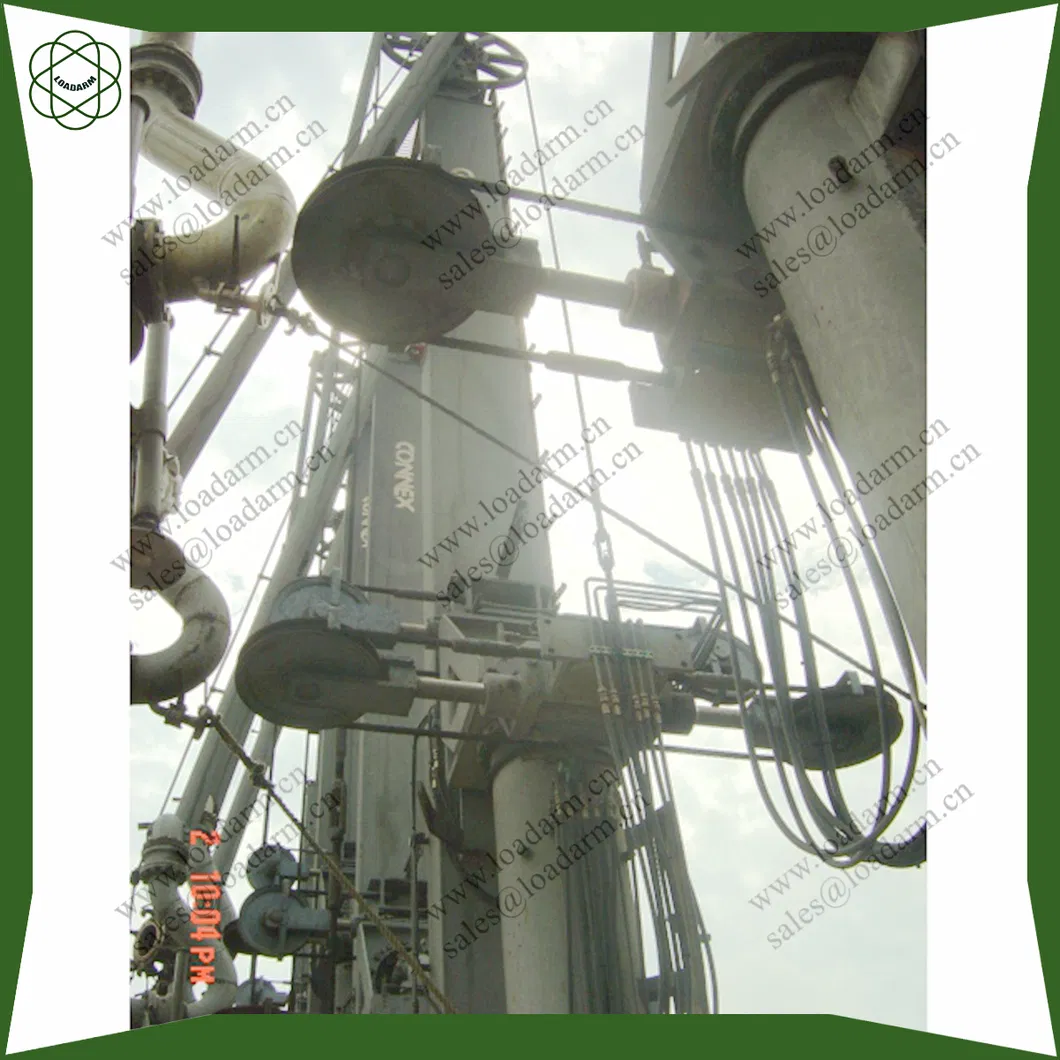
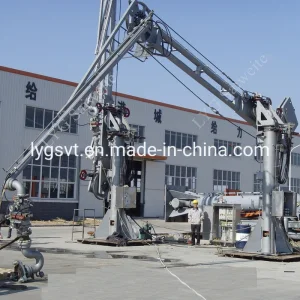
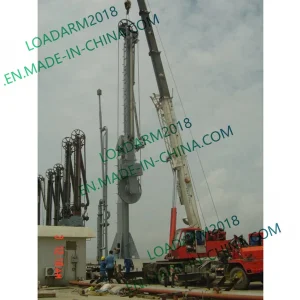
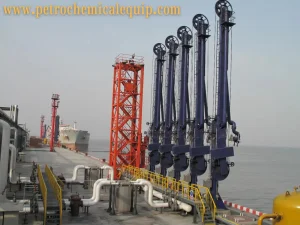
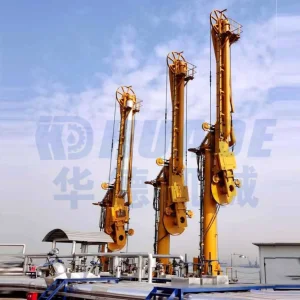
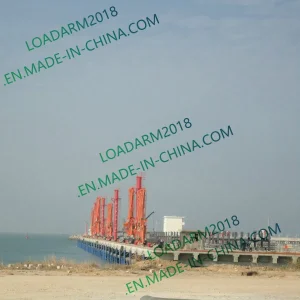
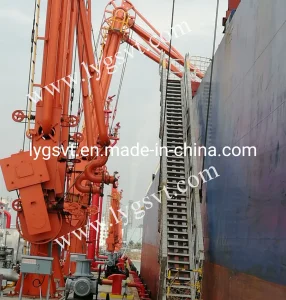
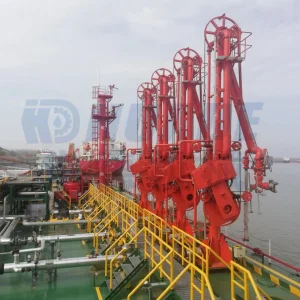
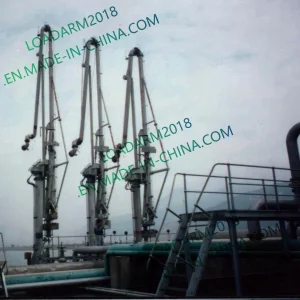
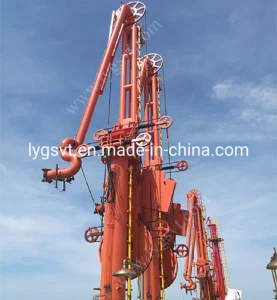
Marine loading arm is the special equipment for loading/unloading fluid materials crossing over the jetty and tanker, with swivel joints connecting pipelines, assist by a supporting structure, including other accessories such as control systems required by customers.
At present, the marine loading/unloading arms has many structural forms in such series as AM61, AM62, AM63 and AM64. According to the difference in physical and chemical features and temperature of the transmission medium, the arms can be designed in many pipe forms such as carbon steel, stainless steel and heat tracing.
Key Performance Parameters:
- Temperature Range: -196ºC to 250ºC
- Maximum Design Pressure: 10Mpa
- Nominal Pipe Size: DN80~DN600 (3" to 24")
- Operation Modes: Manual or Electro-hydraulic control
During the fluid transmission process, the arm can move with the tanker within the normal drift range. It can also be equipped with a visual sound alarm device through a travel monitoring system to ensure safety if the tank drifts beyond specified limits.
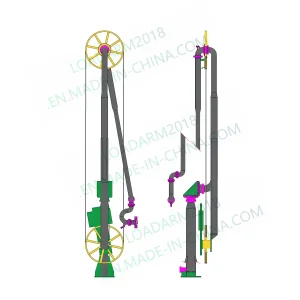
AM62 Structure Features
A part of the product pipe provides support to the loading arm, but most weight and loads are supported by an independent body or supporting auxiliary organizations. Inner and outer arms share one counterweight system. Mixed mode support for single-tube loading arms are compactly structured, suitable for large-tonnage vessels.
Frequently Asked Questions
What media can the marine loading arm handle?
It is designed to handle a wide range of fluid materials including solids, liquids, and gases across various temperatures.
What are the available pipe sizes?
We offer specifications ranging from 4 inches up to 30 inches (DN80 to DN600) to meet different vessel requirements.
Can the loading arm withstand extreme temperatures?
Yes, the working temperature range is from -196ºC (cryogenic) to 250ºC, depending on the material and design chosen.
What control systems are available for operation?
The arm can be designed for either manual operation or a sophisticated electro-hydraulic control system based on customer needs.
Is there a safety system for tanker drift?
Yes, the system can include a travel monitoring system with visual and sound alarms that trigger if the tanker drifts beyond the safe operating scope.
What materials are used for construction?
Common materials include carbon steel and stainless steel, with specialized seals like Veton or PTFE for chemical compatibility.
 Liftora Arm