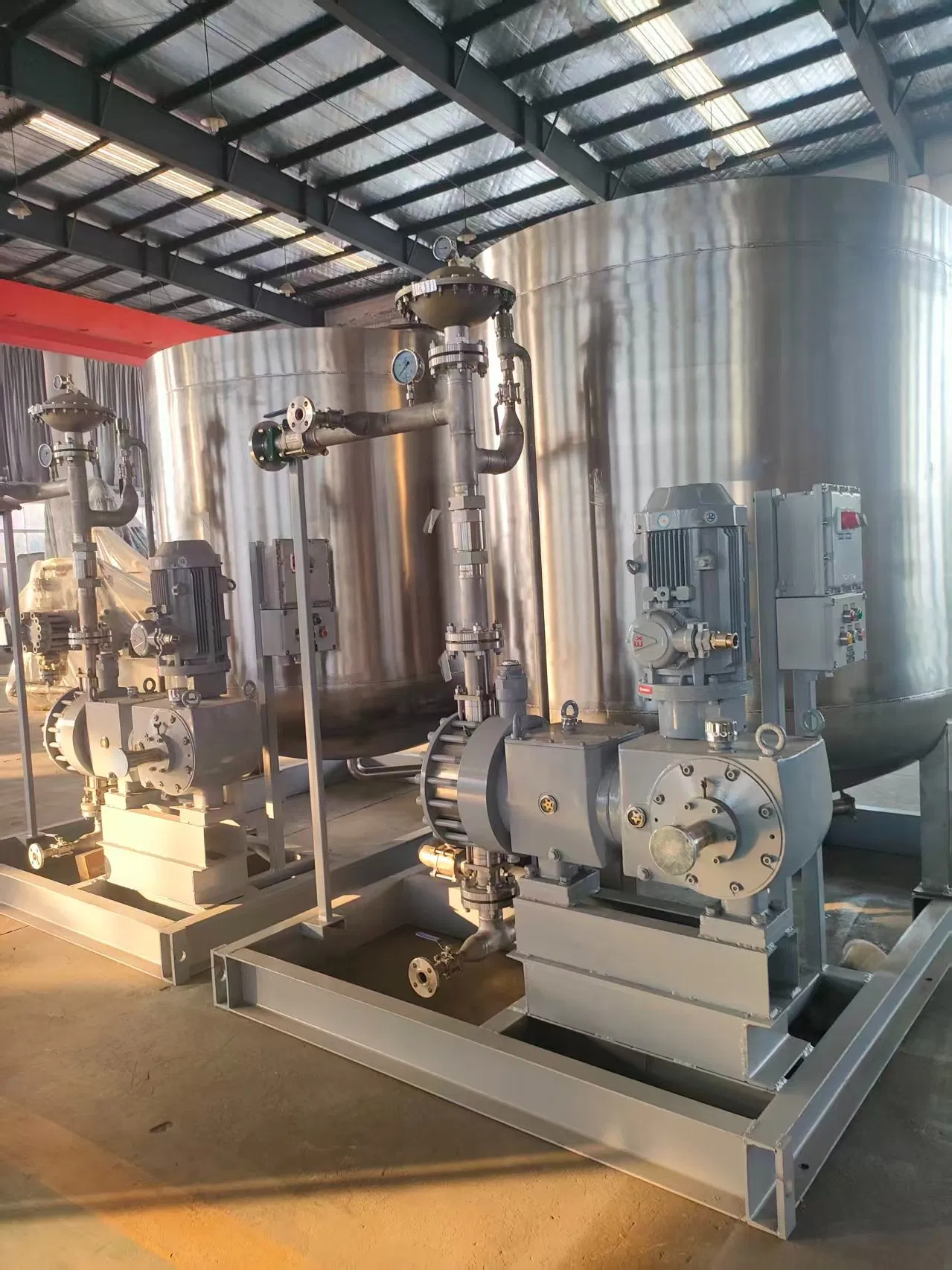
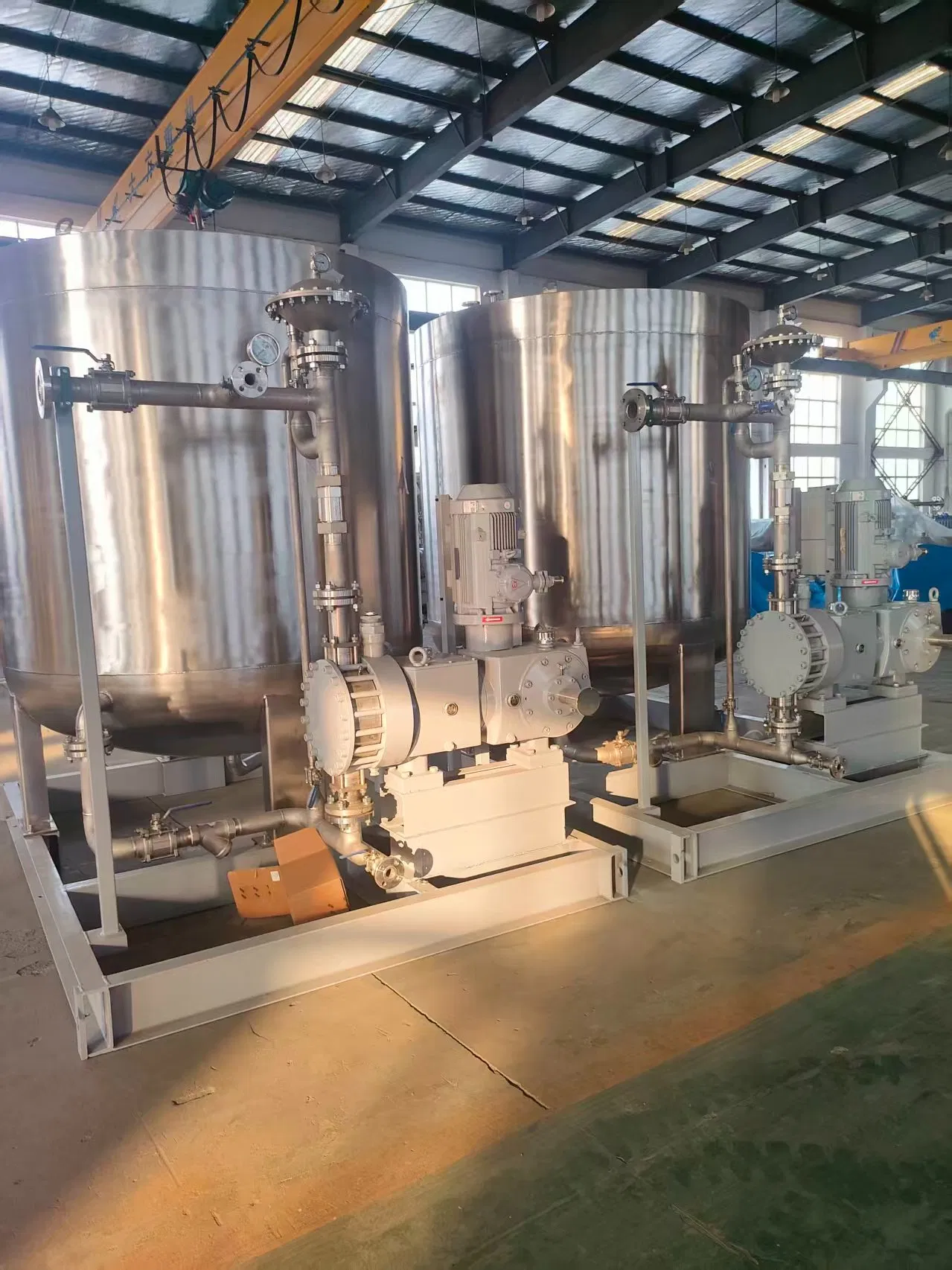
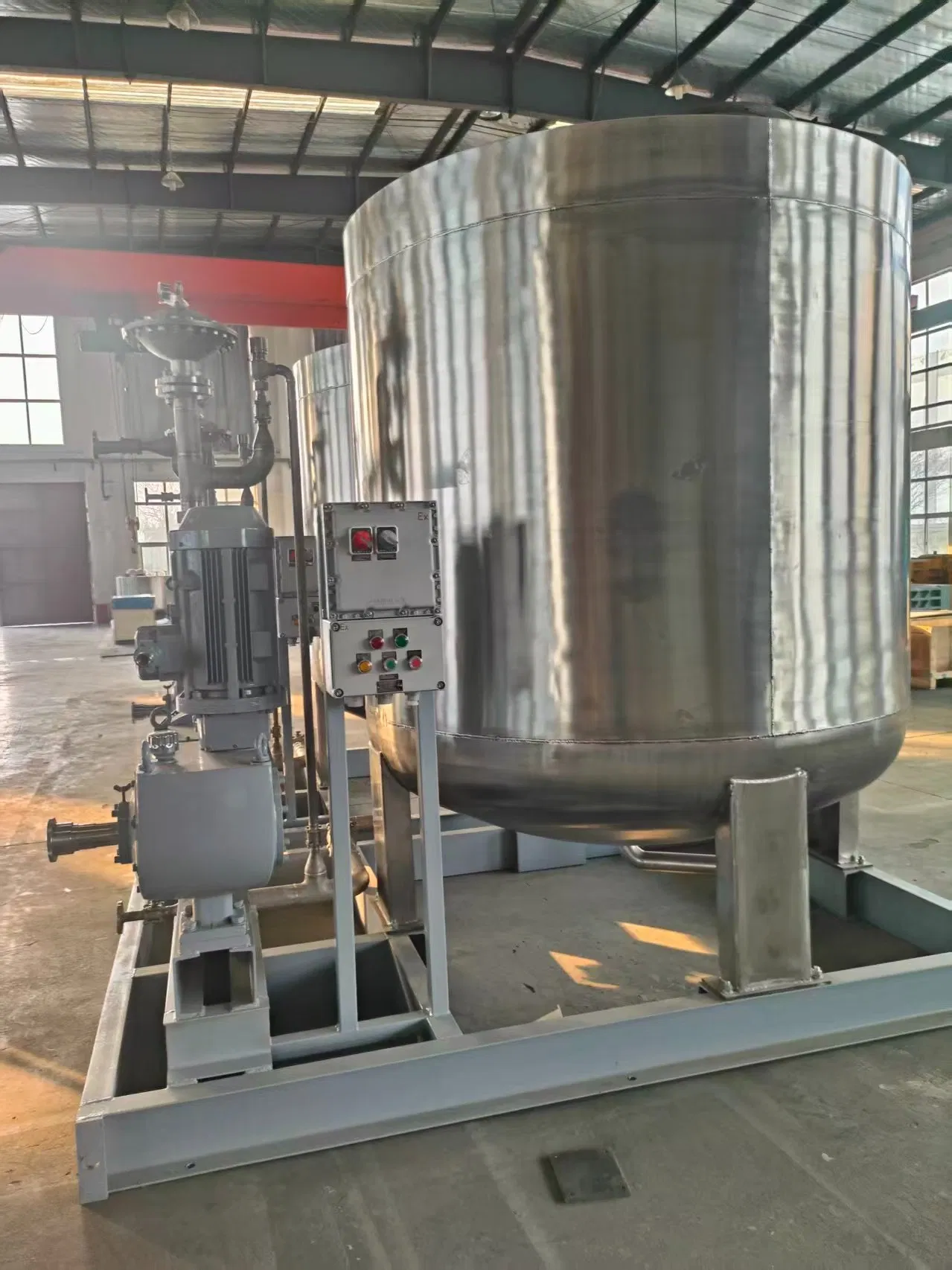
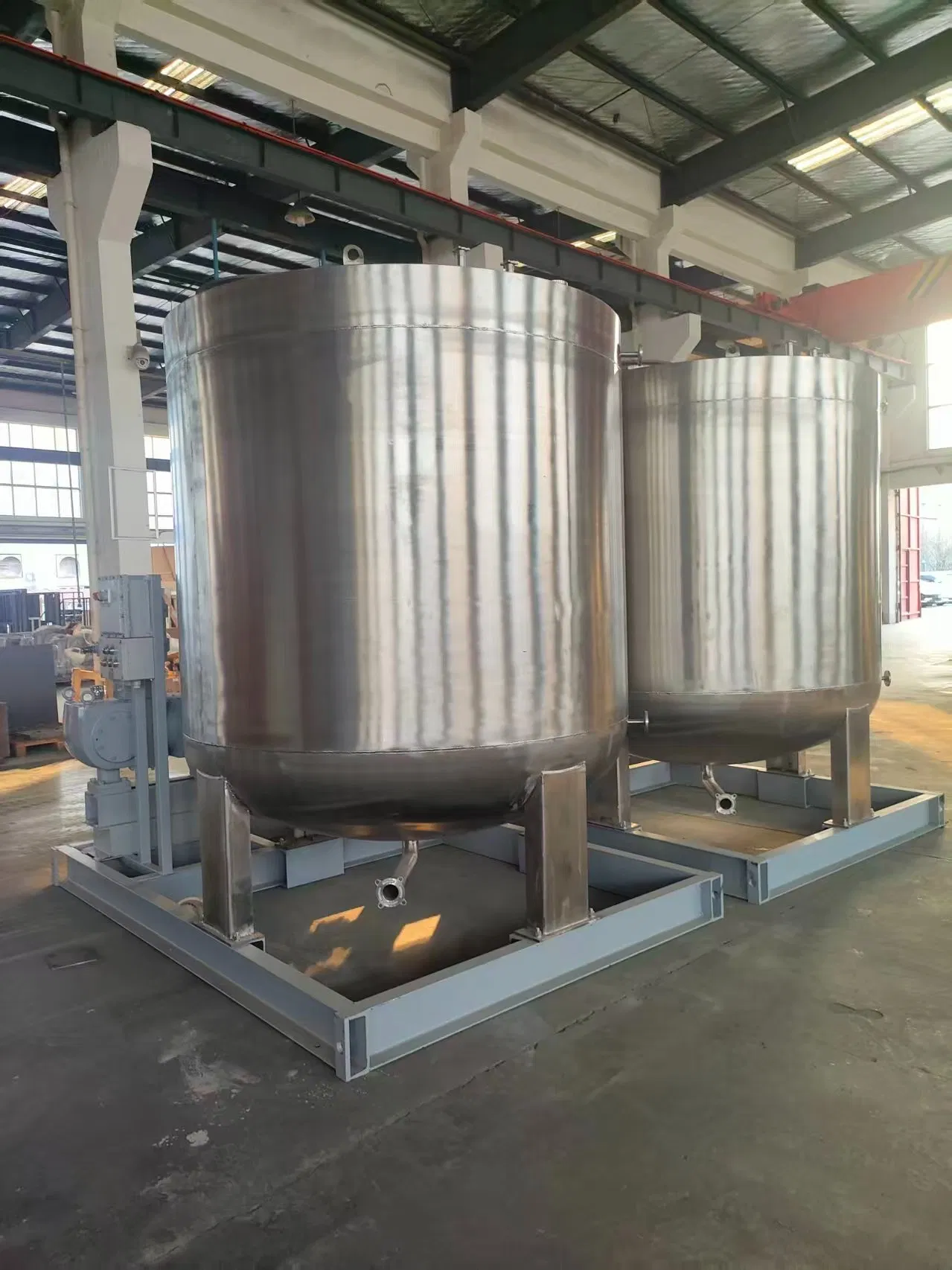
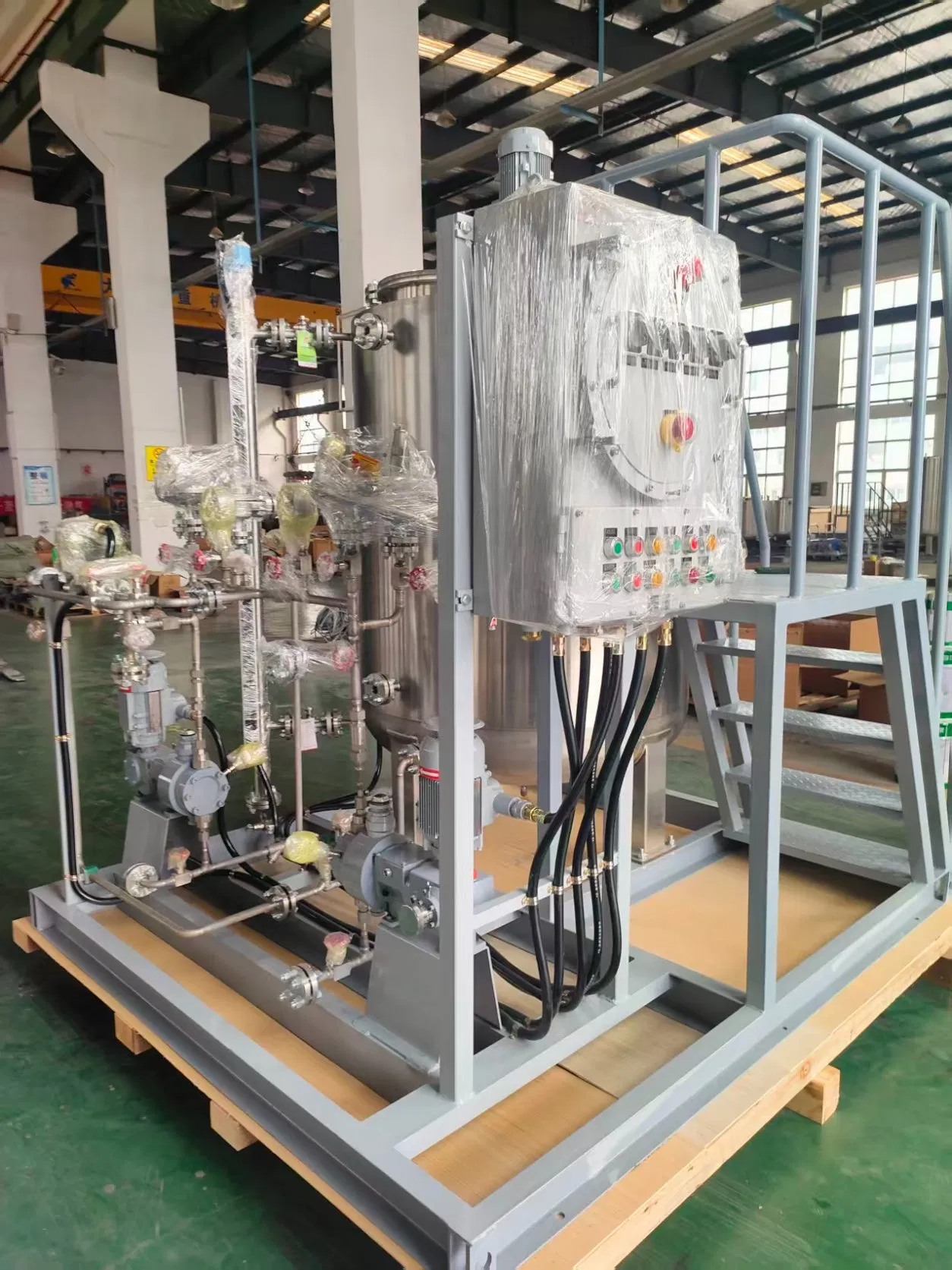
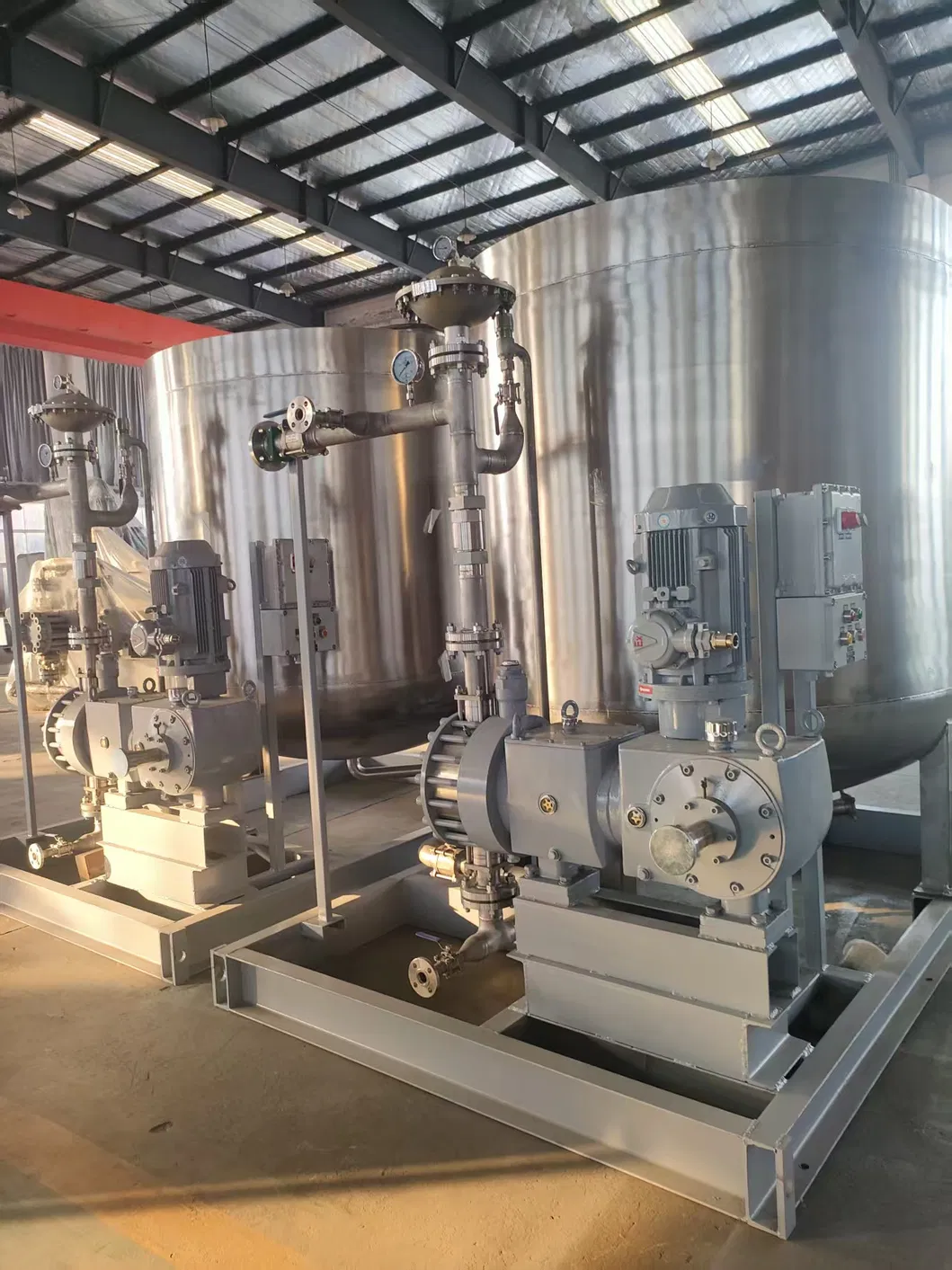
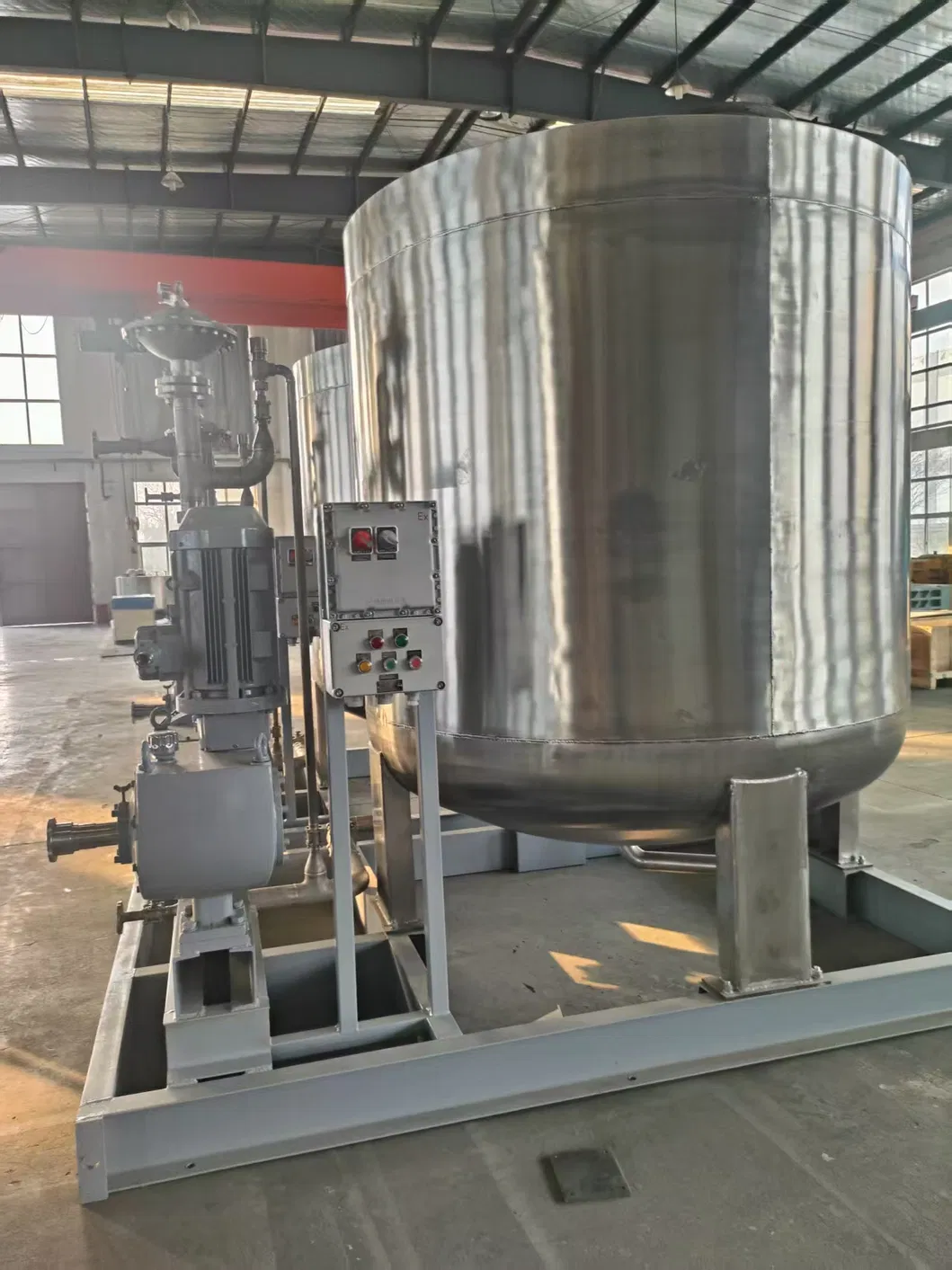
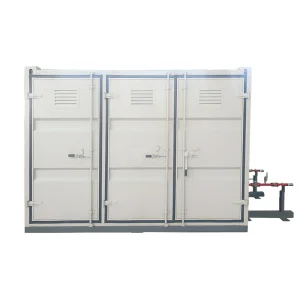
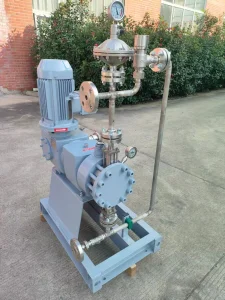
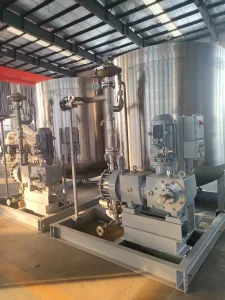
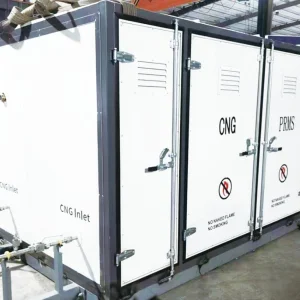
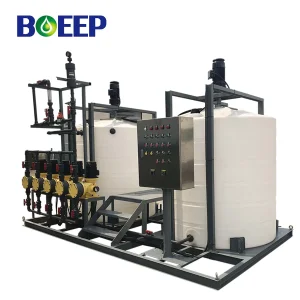
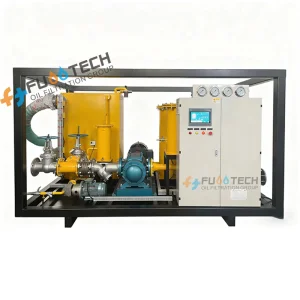
The dosing device adopts a unit system design, where all components and parts within the independent unit—such as the solution tank, liquid level gauge, metering box, agitator, dosing metering pump, control cabinet, valves, and pipelines—are centrally arranged and integrated. The complete dosing device can be composed of several units.
Key Safety Features:
A filter is installed at the outlet of the solution tank to prevent blockage and equipment failure.
Equipped with a magnetic flap liquid level indicator and high/low liquid level alarms.
Automatic pump stop functionality at low liquid levels to prevent the metering pump from idling.
The system supports manual dispensing or automatic dispensing through electromagnetic valves based on specific requirements. Users can choose from three control methods: on-site manual, on-site automatic, and remote control.
Main Parameters:
The system will be designed completely according to the customer's specific requirements.
Chemical dosing devices are widely utilized across various sectors, including oil fields, petrochemicals, coal chemicals, environmental protection, pharmaceuticals, food processing, and power plant thermal systems.
Frequently Asked Questions
1. What is the steady-state accuracy of this dosing device?
The system provides a high steady-state accuracy of +-1%, ensuring precise chemical treatment for industrial and agricultural applications.
2. What control modes are available for the dosing system?
There are three integrated control methods: on-site manual control, on-site automatic control, and remote control capabilities to suit different operational needs.
3. How does the system prevent damage to the metering pump?
The device includes a magnetic flap liquid level indicator and an automatic low-level pump stop feature, which prevents the metering pump from idling and potential failure.
4. Can the dosing device be customized for specific projects?
Yes, the entire dosing skid is designed as a unit system and can be fully customized according to the client's specific technical requirements and application environment.
5. Which industries typically use these chemical dosing units?
These units are widely used in oil fields, petrochemical plants, coal chemical industries, environmental protection facilities, pharmaceuticals, food production, and power plants.
6. What components are integrated into the unit system?
The integrated unit includes a solution tank, liquid level gauge, metering box, agitator, dosing metering pump, control cabinet, valves, and all necessary pipelines.
 Liftora Arm