How it Works
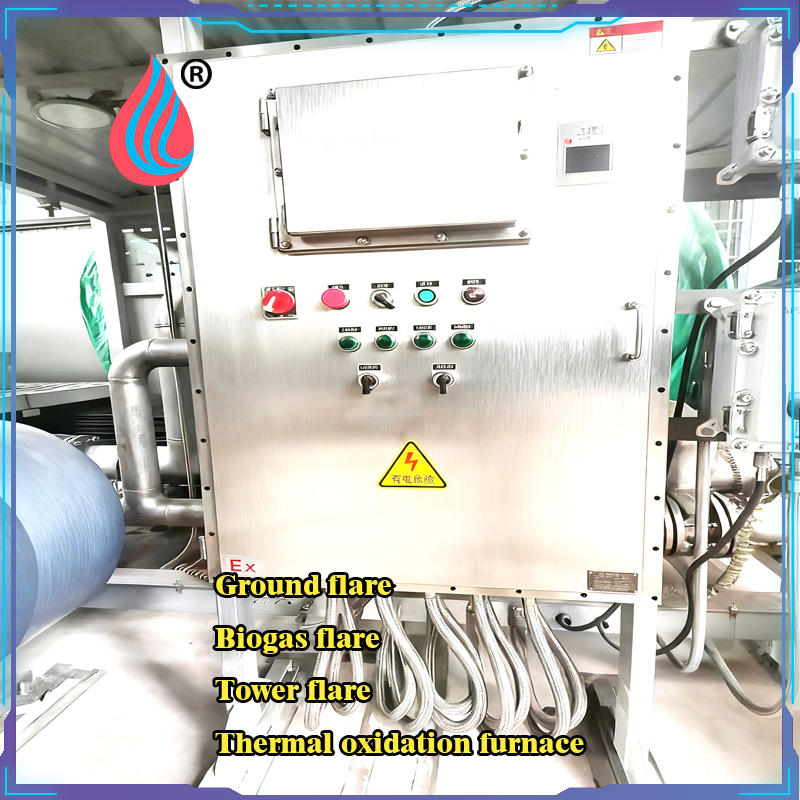
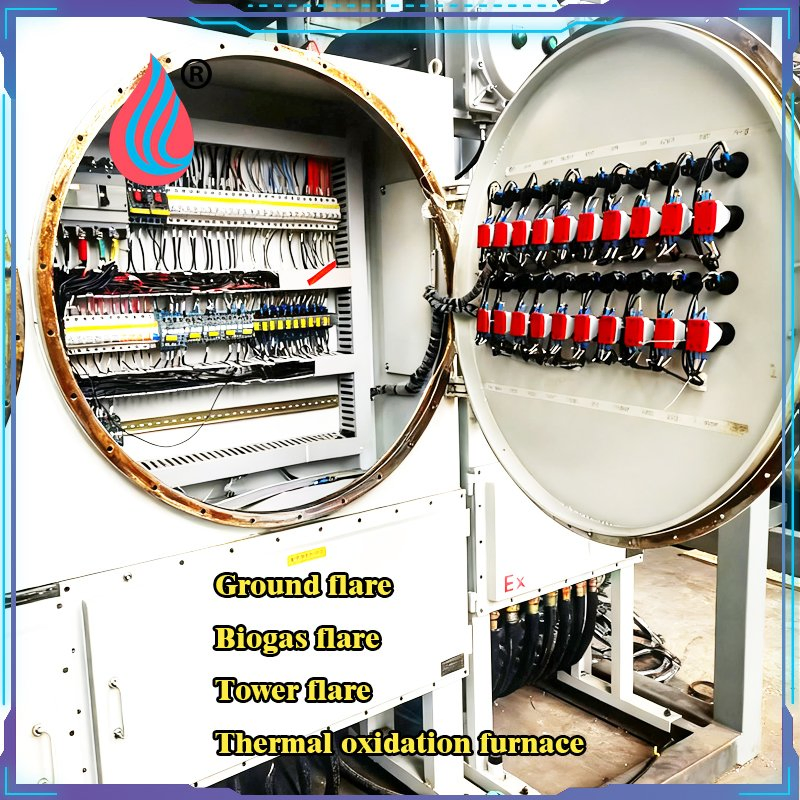
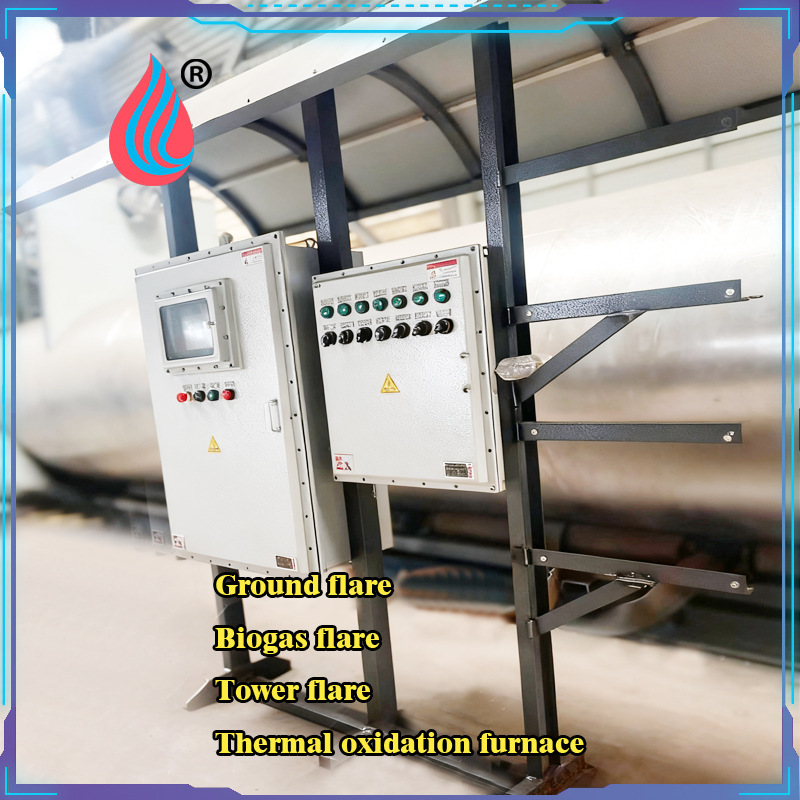
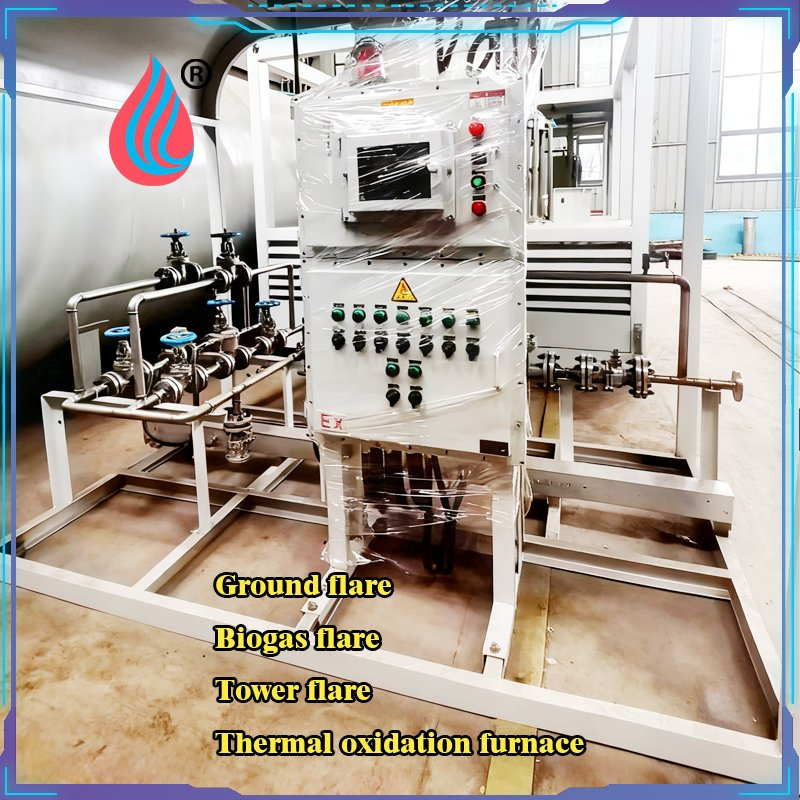
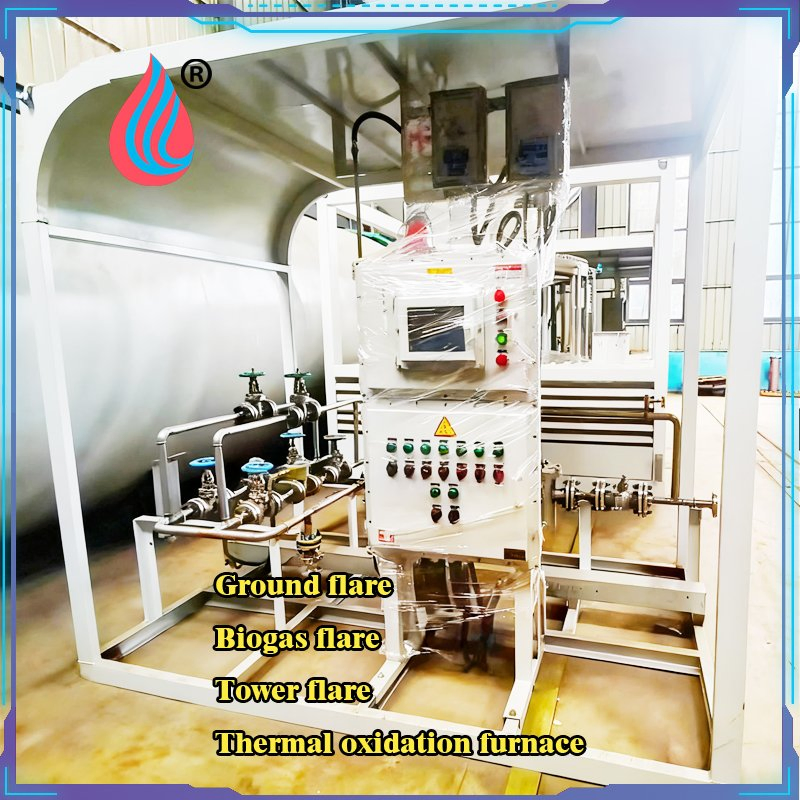
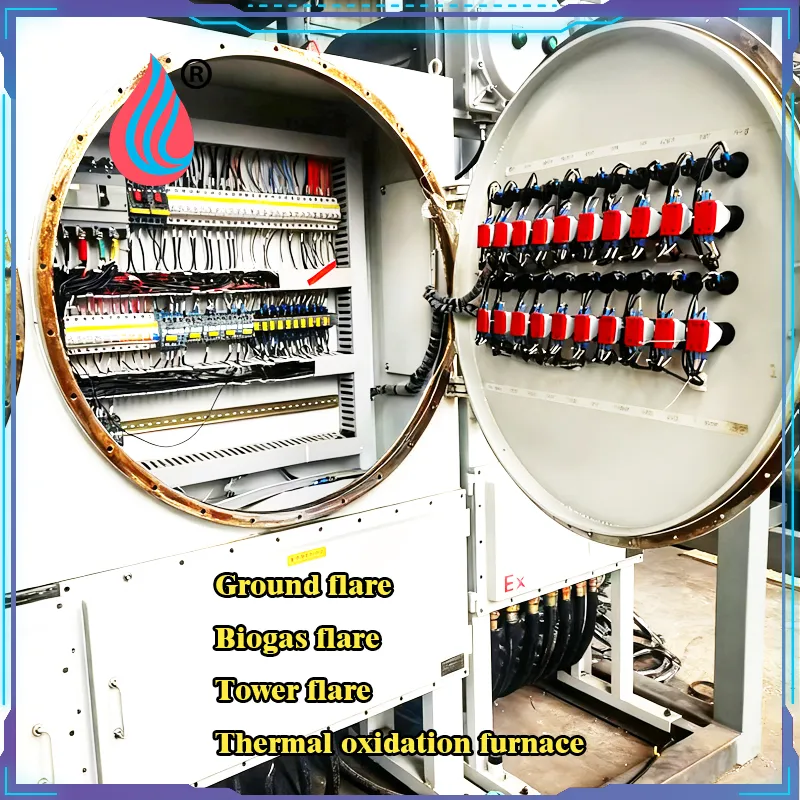
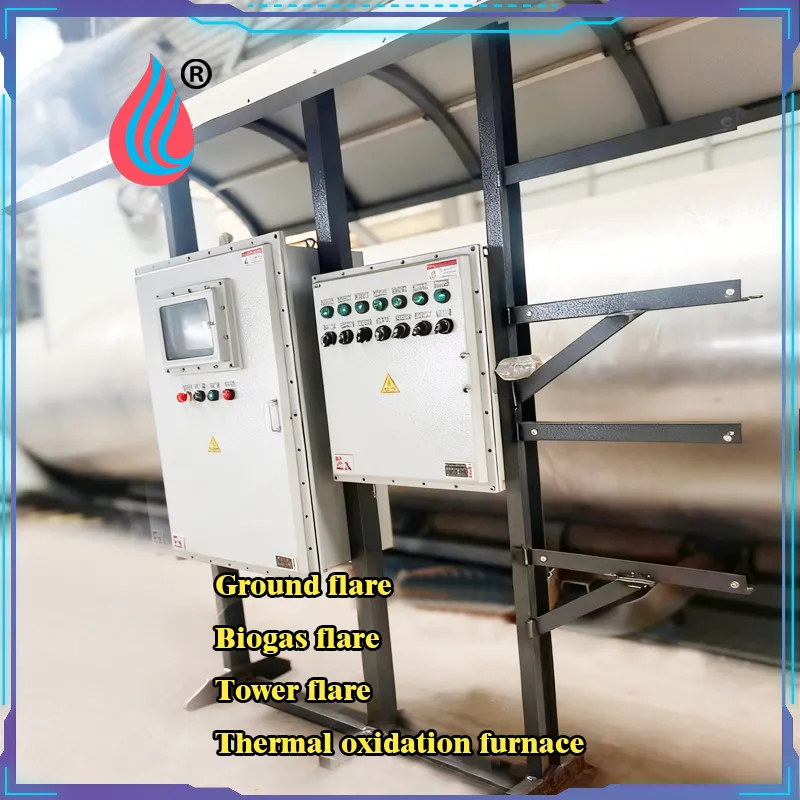
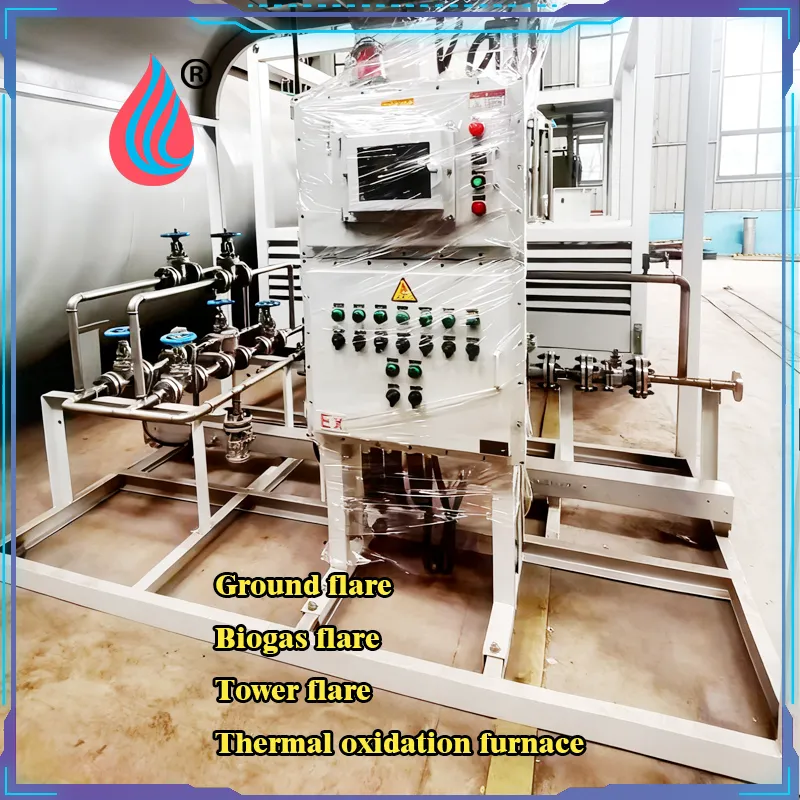
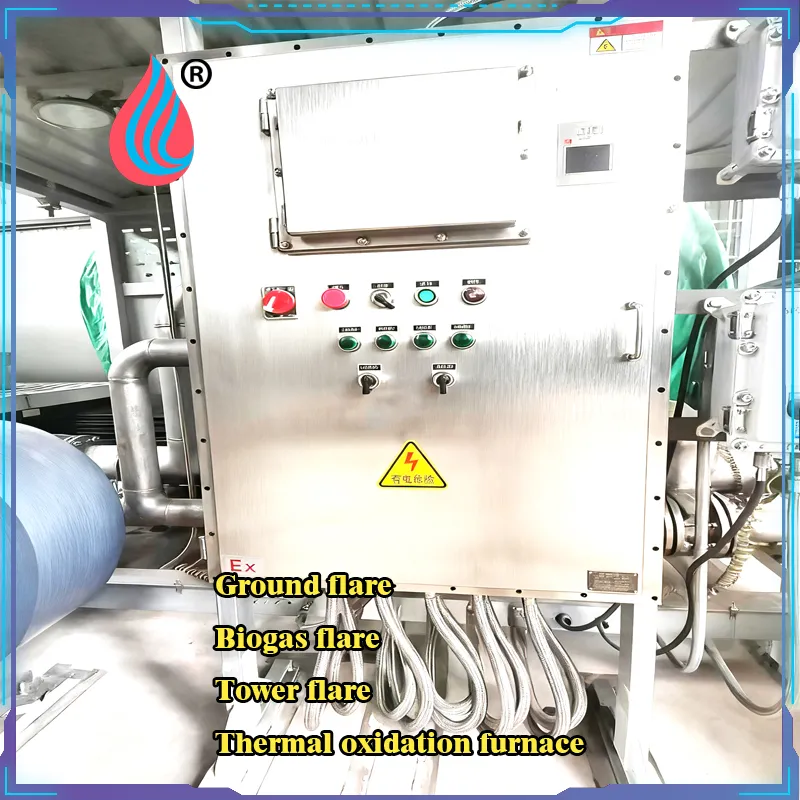
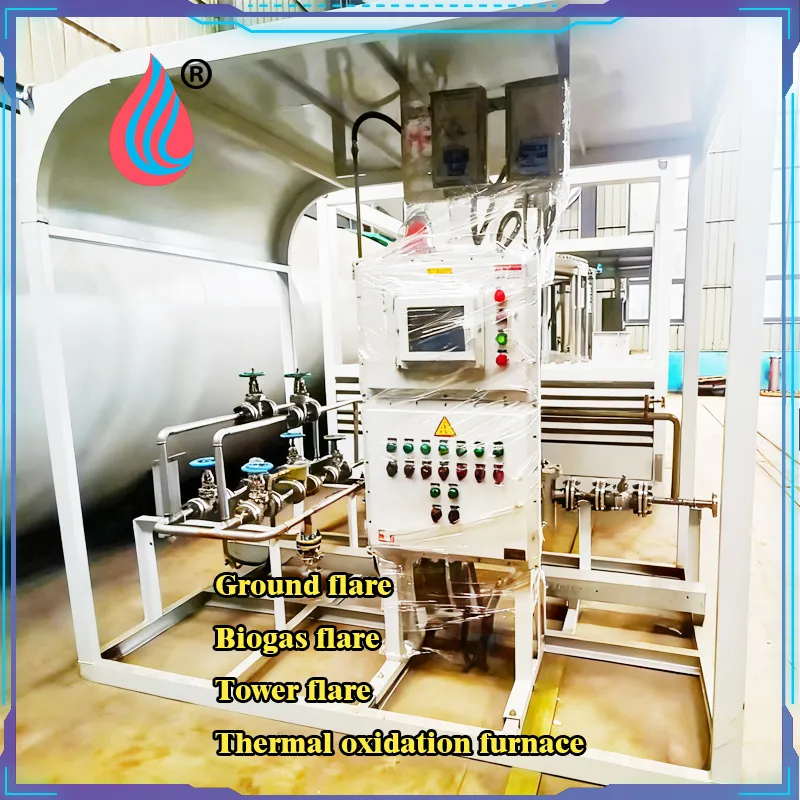
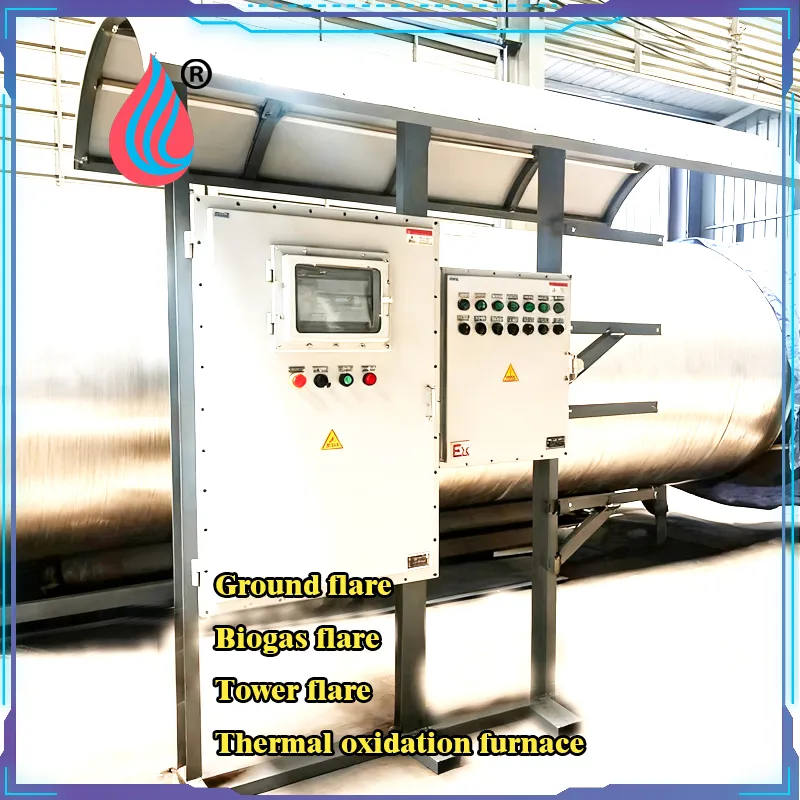
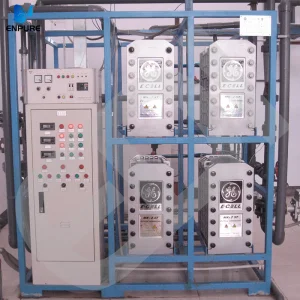
The DCS control cabinet is a key piece of equipment in the Distributed Control System. It enables centralized monitoring and decentralized control of the production process through preset programs, automatically responding to on-site signals.
Controller Unit
As the core of the DCS control cabinet, it executes algorithms, processes data, and generates precise instructions.
I/O Modules
Connects sensors and actuators for signal conversion, handling analog (temp, pressure) and digital signals.
Communication Interface
Supports Profibus, Modbus, HART, and Industrial Ethernet for collaborative data exchange.
HMI Integration
Intuitive graphical interfaces via touch screens or industrial computers for real-time human-machine interaction.
Frequently Asked Questions
What materials are used for the control cabinets?
Our cabinets are typically manufactured using SPCC, 304, or 316 stainless steel to ensure durability and corrosion resistance in industrial environments.
Is the system compatible with remote monitoring?
Yes, the system supports remote monitoring and operation via Ethernet, allowing operators to manage parameters from a central control room or mobile terminal.
Which communication protocols are supported?
The system supports multiple industry-standard protocols including Profibus, Modbus, HART, and Industrial Ethernet.
How does the system handle hardware failures?
We utilize a redundant design for controllers, communication networks, and power supplies to ensure seamless switching without affecting production.
Can the control software be customized for specific logic?
Absolutely. The system supports flexible programming languages such as ladder diagrams and function blocks to meet complex sequence and timing control needs.
What is the annual production capacity for these units?
We have a production capacity of approximately 5000 sets per year to support large-scale industrial requirements.
 Liftora Arm