Engineered to comply with stringent European CE standards, ATEX safety directives, and global oil and gas facility norms.
Within modern industrial logistics, liquid chemical, gas, and oil transport requires absolute reliability. A CE Certified Marine Cargo Transfer System signifies compliance with vital European health, safety, and environmental protection legislations. This standard guarantees that every structural weld, swivel joint seal, hydraulic coupling, and emergency breakaway system undergoes comprehensive structural analysis and fatigue testing.
For terminal operators, integrating CE-certified equipment reduces risk liabilities, ensuring flawless operation within tight regulatory frameworks. As energy transport diversifies, these systems are engineered to prevent hazardous emissions, withstand dynamic offshore movements, and survive cryogenic temperatures down to -196°C for LNG handling.
Compliance also extends to ATEX regulations, ensuring electrical and mechanical components operating in explosive marine vapors are intrinsically safe, preventing ignitions under all normal and fault conditions.
How modern terminals are navigating environmental pressures, automation integration, and supply chain shifts.
With the rise of LNG, Liquid Ammonia, and Hydrogen transport, transfer systems must handle extreme cold without losing structural ductility. Materials such as 316L Stainless Steel and specialized dual-phase alloys prevent low-temperature cracking under pressure.
Real-time telemetry systems track vessel movement, swell offsets, and wind drift. Smart Emergency Release Systems (ERS) instantly trigger Quick-Connect/Disconnect Couplers (QC/DC), sealing the pipeline within milliseconds during sudden drift-outs.
Strategic localization of production and component design ensures rapid custom fabrication. Companies like Liftora optimize delivery lead times, overcoming global freight disruptions and stabilizing project execution schedules.
Industrial procurement for liquid cargo transfer demands absolute precision. Engineering, Procurement, and Construction (EPC) companies seek suppliers that integrate structural mechanics with smart automation. The main concern is reducing operating downtime.
A single failure in a loading arm's swivel joint can cause terminal shutdowns costing millions per day. Through rigorous FEA (Finite Element Analysis) and cycle testing under simulated pressure loads, Liftora guarantees that our Swivel Joints maintain zero-leakage profiles even in high-pressure petrochemical transfer.
Additionally, modern terminals expect smooth field integration. Our engineering teams provide comprehensive 3D layouts, dynamic calculations, and stress analysis of marine docks, ensuring loading arms align seamlessly with ship manifolds during low and high tide variations.
Merging modern production with engineering expertise in advanced loading arms and fluid transfer technologies.
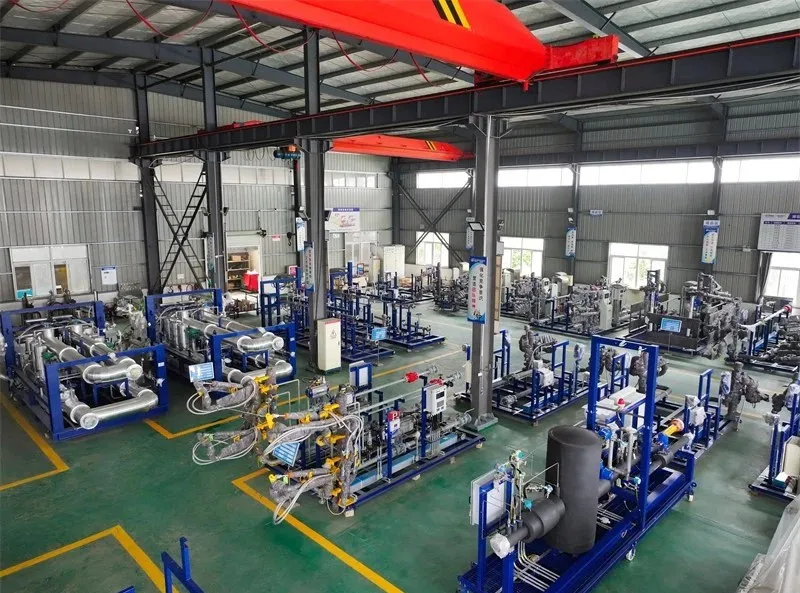
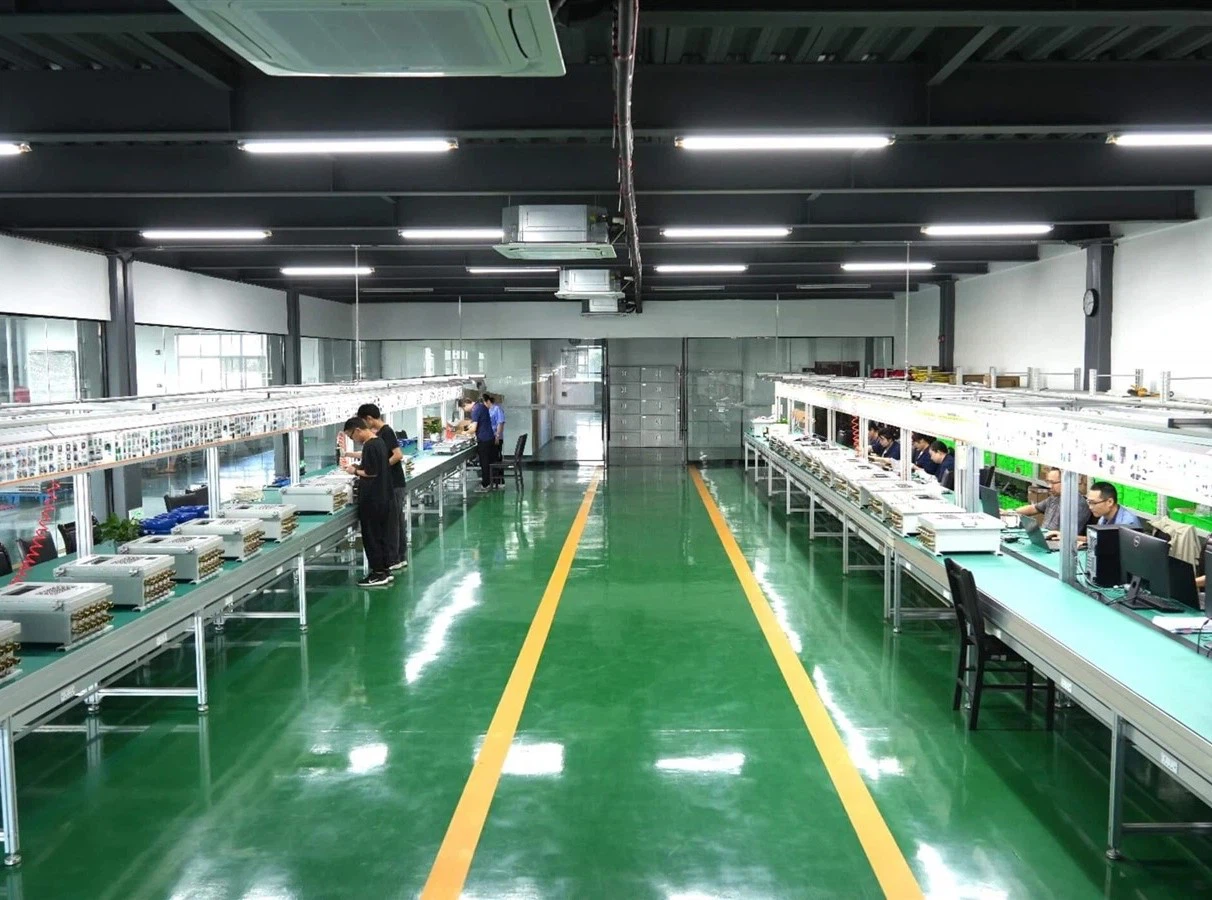
Shenzhen Liftora Arm Co., Ltd. is a professional manufacturer and engineering company specializing in the design, development, and production of advanced loading arm systems and fluid transfer solutions. Founded with a commitment to innovation, quality, and customer satisfaction, Liftora Arm has rapidly grown into a trusted partner for global energy, petrochemical, and industrial fluid handling projects. Our headquarters and manufacturing facilities in Shenzhen, China are equipped with modern production lines, precision fabrication tools, and rigorous testing equipment to ensure the consistent delivery of high‑performance products.
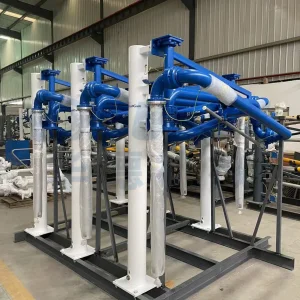
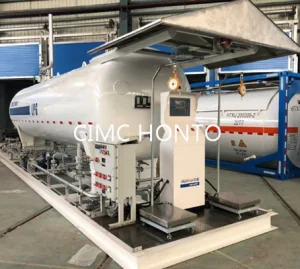
At Liftora Arm, we focus on the independent development and manufacturing of core components, enabling us to provide customers with robust marine loading arms, truck loading arms, and integrated metering skid systems tailored to diverse operating environments. Our comprehensive engineering service team collaborates closely with clients from initial concept through production and after‑sales support, ensuring cost‑effective solutions that meet stringent industry requirements. We adhere to international design and safety standards, and our products are engineered for durable performance, operational reliability, and ease of maintenance.
Committed to responsive service and global reach, Shenzhen Liftora Arm Co., Ltd. offers timely technical support, fast online responses, and reliable after‑sales services to clients worldwide. With a growing network of partners and distributors, Liftora Arm has earned the trust of engineering companies, terminal operators, and major industrial customers across Asia, Europe, Africa, and the Americas. Driven by continuous innovation and a customer‑centric approach, we strive to deliver fluid handling equipment that enhances efficiency, safety, and operational excellence in every application.
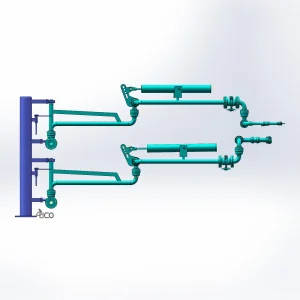
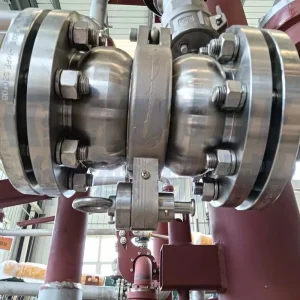
The core component of any marine loading arm is the swivel joint. Our engineering leverages a double-raceway configuration with structural alloy steel or stainless steel, designed to isolate fluid pressure loads from radial bending movements.
Our designs feature triple-redundant seal systems: primary product seals, secondary backup seals, and environment exclusion seals. This guarantees that even during high-frequency tidal shifts and high wind shear, chemical vapor is kept safely inside the closed loop system.
For operations involving high viscosity fluids or corrosive substances, we offer optional PTFE liners, Hastelloy cladding, or trace heating elements, keeping fluids flowing smoothly without compromising system life cycles.
Real-world systems tailored to different operation modes, climates, and media types.
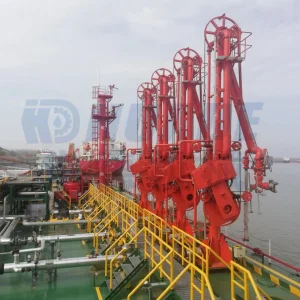
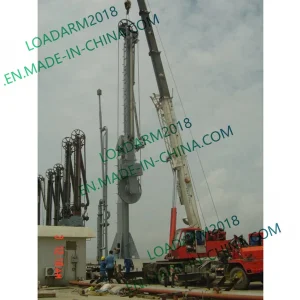
Operating in rough sea states requires long reach arms with robust hydraulic counterbalances. Our ATEX monitoring systems ensure real-time dynamic drift tracking, allowing quick reaction in harsh offshore conditions.
Designed for rapid high-volume liquid distribution. Our top loading arms, equipped with integrated submersible pumps, provide quick connection to rail tankers while maintaining tight vapor recovery loops.
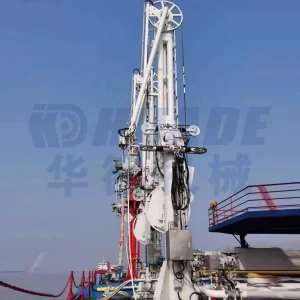
Ready for LNG and liquid ammonia transfer. The system utilizes specialized low-temperature alloy seals and dry-break couplers, preventing ice build-up and ensuring zero leakage during zero-emission transfers.
Expert answers on technical requirements, certifications, and operational safety.
Complementary equipment supporting port integration, fluid safety, and automated terminal infrastructure.
 Liftora Arm