High-performance loading arms, skids, and industrial manipulation systems engineered for modern petrochemical and terminal logistics.
Underpinning international fluid handling infrastructure with strict safety and efficiency standards.
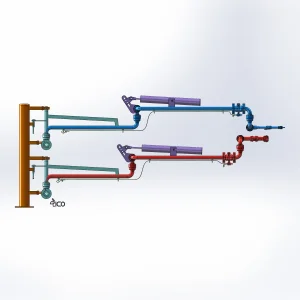
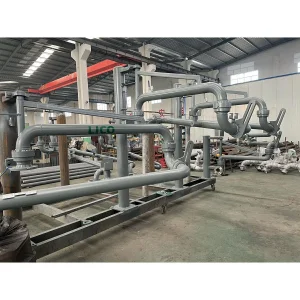
Worldwide downstream petroleum distribution rely heavily on efficient tank truck loading systems. As environmental regulations become increasingly stringent regarding Volatile Organic Compounds (VOCs), the conversion from top open-dome loading to closed-loop bottom loading systems has accelerated. A specialized truck fuel loading system serves as the primary barrier against emissions and operational accidents during custody transfer.
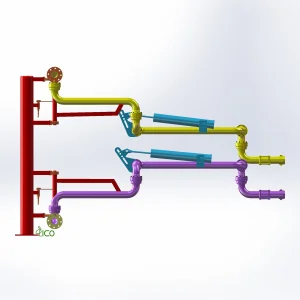
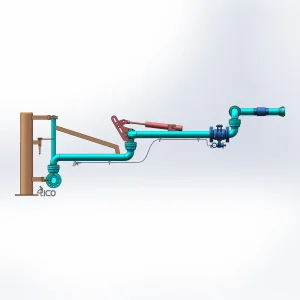
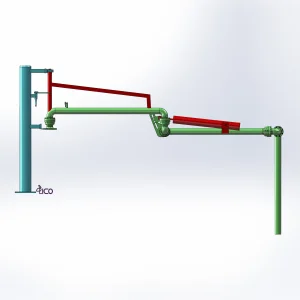
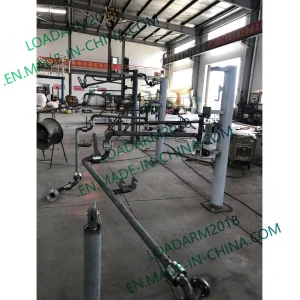
These systems integrate several engineered elements including swivel joints, counterweights or spring balance cylinders, coupler systems, overfill prevention sensors, and vapor recovery paths. Investing in engineered loading structures guarantees safety for operators and maximizes terminal throughput.
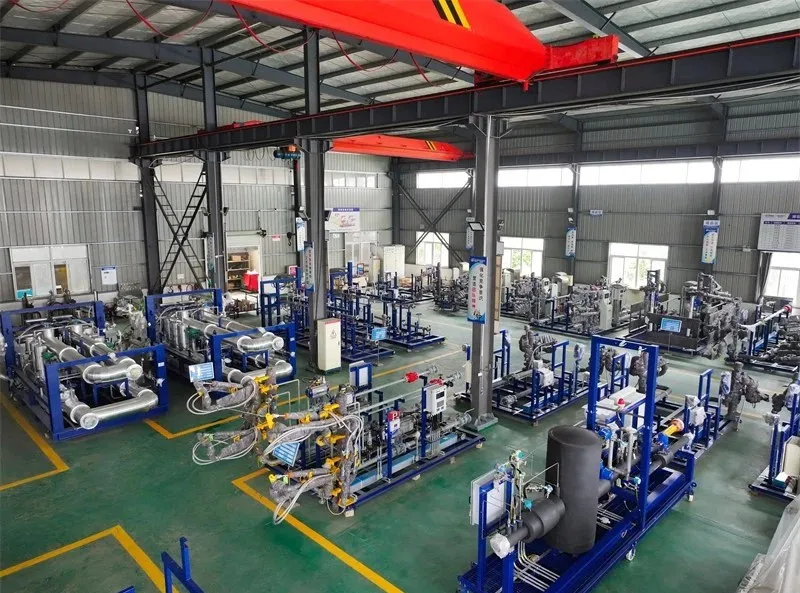
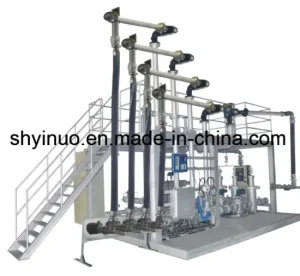
Across Europe, North America, and the Asia-Pacific region, the demand for terminal automation and safety integration has shifted the market paradigms. Industrial logistics operators no longer look at loading arms as simple mechanical pipelines; they are now recognized as integrated digital points. With custody transfer requiring extreme accuracy, modern skid-mounted systems combine metering, pumping, additives injection, and control into a single modular package.
In addition, the rise of LNG and alternative fuels like LPG and liquid ammonia has generated new mechanical design guidelines. For example, cryogenic conditions require customized cryogenic loading arms that maintain seal integrity down to -196°C. At the same time, highly corrosive chemical transfer requires specialized configurations, such as the Al2543 Corrosion-Resistant Loading Arm or the Al1501 Loading Arm for Corrosion-Resistant Chemicals, using customized PTFE linings or Hastelloy structures to prevent degradation.
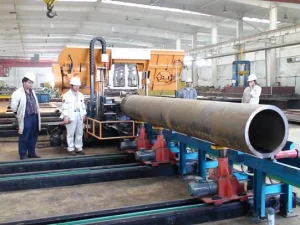
China's dominance in the global export of truck fuel loading systems is driven by supply chain vertical integration, rapid engineering response times, and large-scale precision manufacturing. Located in China's industrial and technological powerhouse, manufacturers like Shenzhen Liftora Arm Co., Ltd. leverage access to cutting-edge CNC metal machining, advanced testing labs, and high-precision welding processes.
Finite Element Analysis (FEA) is utilized to simulate load configurations, stress concentrations, and thermal cycles on loading arm structural elbows, ensuring safety margins under intense field pressures.
Every swivel joint undergoes dual-phase hydraulic pressure testing, leak detection, and low-temperature sealing checks to conform to ASME B31.3 and European ATEX standards.
Skid systems can be integrated with specific PLC brands (Siemens, Rockwell), flow meters (Coriolis mass or PD meters), control valves, and electrical components according to regional regulations.
Fluid loading systems must be customized based on chemical properties, vapor pressures, and site conditions. Here are the core applications deployed globally:
| Handling Medium | System Configuration Recommended | Key Operational Challenge | Representative Solution |
|---|---|---|---|
| Strong Acids & Caustics | Top Loading with Vapor Return & Corrosion Liners | Chemical degradation of metals & seals | Al2543 Corrosion-Resistant Arm / Caustic Truck Loading Arm |
| LNG / Cryogenic Fluids | Insulated Bottom Loading with Cryogenic Swivels | Boil-off gas (BOG) & severe thermal contraction | ASME LNG Refueling Station Equipment |
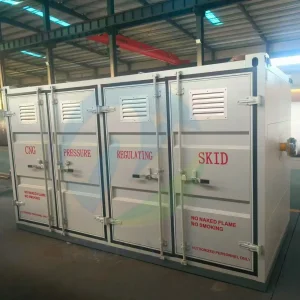
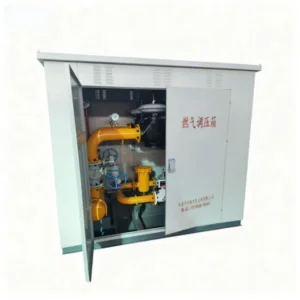
| Natural Gas (High Pressure) | Pressure Regulating & Metering Skids | High pressure fluctuation & accurate custody measurement | High Capacity PRMS / CNG Regulating Skid |
| LPG & Petroleum Fuels | Bottom Loading Arm with Overfill Prevention | Static discharge and VOC emissions | Truck Loading Gantry ISO9001 LPG Arm |
As terminals target net-zero emissions and digital transformation, we observe three major trends:
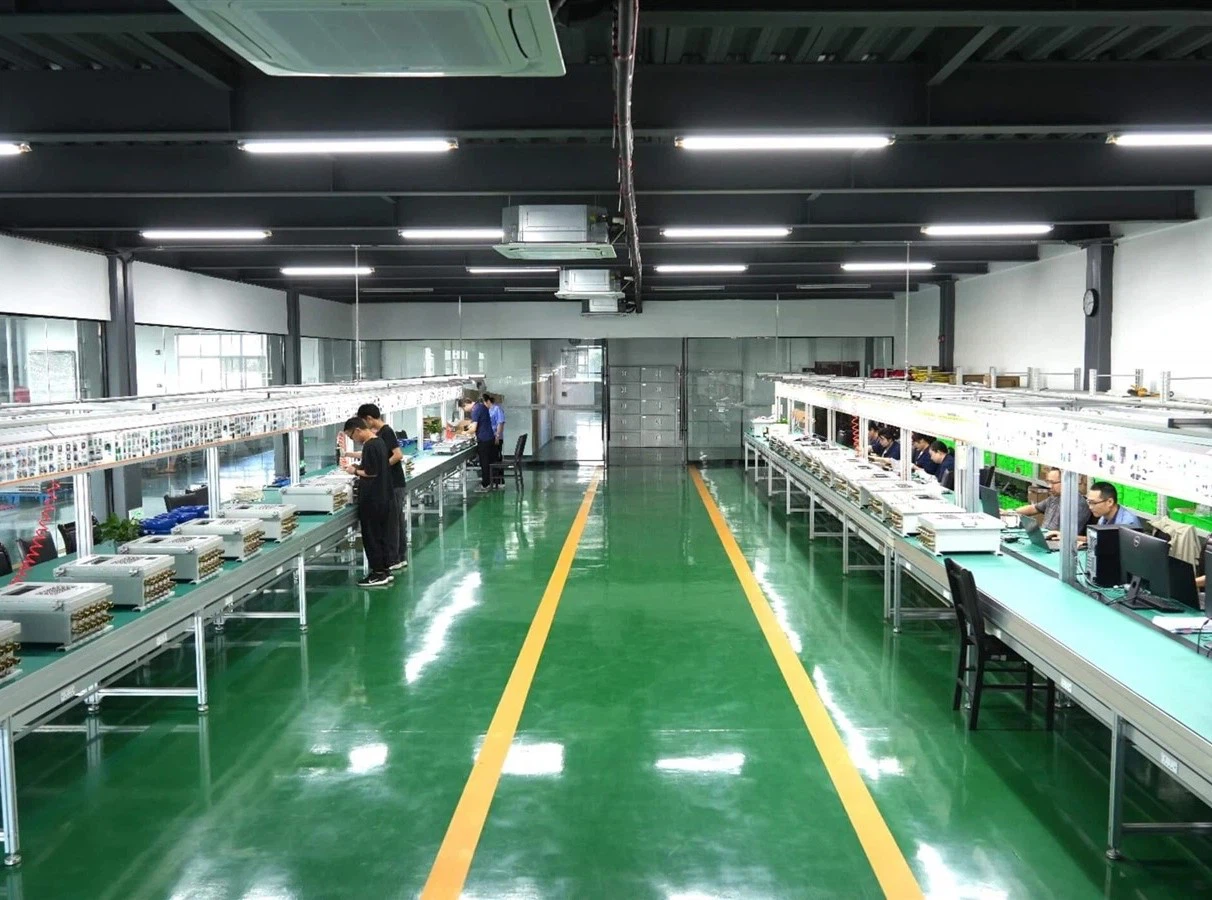
Shenzhen Liftora Arm Co., Ltd. is a professional manufacturer and engineering company specializing in the design, development, and production of advanced loading arm systems and fluid transfer solutions. Founded with a commitment to innovation, quality, and customer satisfaction, Liftora Arm has rapidly grown into a trusted partner for global energy, petrochemical, and industrial fluid handling projects. Our headquarters and manufacturing facilities in Shenzhen, China are equipped with modern production lines, precision fabrication tools, and rigorous testing equipment to ensure the consistent delivery of high‑performance products.
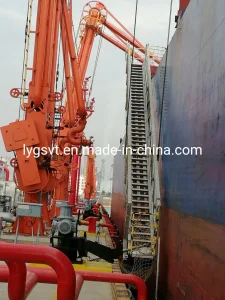
At Liftora Arm, we focus on the independent development and manufacturing of core components, enabling us to provide customers with robust marine loading arms, truck loading arms, and integrated metering skid systems tailored to diverse operating environments. Our comprehensive engineering service team collaborates closely with clients from initial concept through production and after‑sales support, ensuring cost‑effective solutions that meet stringent industry requirements. We adhere to international design and safety standards, and our products are engineered for durable performance, operational reliability, and ease of maintenance.
Committed to responsive service and global reach, Shenzhen Liftora Arm Co., Ltd. offers timely technical support, fast online responses, and reliable after‑sales services to clients worldwide. With a growing network of partners and distributors, Liftora Arm has earned the trust of engineering companies, terminal operators, and major industrial customers across Asia, Europe, Africa, and the Americas. Driven by continuous innovation and a customer‑centric approach, we strive to deliver fluid handling equipment that enhances efficiency, safety, and operational excellence in every application.
Essential answers for engineering contractors, procurement managers, and terminal project designers.
From heavy marine fluid loading to robotic material handling and pipeline regulation.
 Liftora Arm