The international maritime sector is undergoing a rapid evolution characterized by demanding emissions regulations, the emergence of alternative clean fuels (such as green ammonia, hydrogen carriers, and LNG), and a critical need for faster vessel turnaround times. At the heart of this logistics network lies the transfer of fluid cargo. Whether dealing with volatile chemical compounds, liquefied hydrocarbon gases, or highly viscous crude oil, the efficiency of marine liquid transfer pumps and loading arms directly dictates the commercial viability of terminal operations.
Global energy markets demand transfer infrastructures that minimize product volatility loss, eliminate the hazard of accidental discharges, and maintain absolute physical integrity under severe dynamic loads. These performance goals can only be reached through the synchronization of high-precision pump machinery, loading arms, and automated skid-mounted metering systems. The integration of mechanical engineering with sensor-driven automation allows modern terminals to operate in challenging environments, mitigating risks associated with extreme weather, corrosive marine atmospheres, and fluctuating tidal ranges.
Engineers and procurement teams in the petrochemical, marine logistics, and oil and gas industries navigate strict criteria when selecting liquid transfer equipment. Sourcing goes beyond purchasing standalone pumps; it requires evaluating the entire operational lifecycle, installation layout, and regulatory requirements. Key aspects include:
Materials must withstand highly acidic, alkaline, or reactive compounds. High-grade materials such as SS316L, Hastelloy, and Duplex Stainless Steel are utilized to prevent degradation, stress corrosion cracking, and product contamination during high-pressure cycles.
Low NPSH design is critical in preventing cavitation, a phenomenon that can damage pump impellers, degrade seal integrity, and cause system failures. Designing for minimum NPSHa ensures consistent, safe flow rates during the final phases of tank stripping.
Liquid terminals routinely manage explosive gases and volatile liquids. All electronic components, motors, and dynamic instrumentation must comply with ATEX, IECEx, and NEC standards to ensure safe operation in Class I, Division 1 hazardous locations.
Shenzhen Liftora Arm Co., Ltd. is a professional manufacturer and engineering company specializing in the design, development, and production of advanced loading arm systems and fluid transfer solutions. Founded with a commitment to innovation, quality, and customer satisfaction, Liftora Arm has rapidly grown into a trusted partner for global energy, petrochemical, and industrial fluid handling projects. Our headquarters and manufacturing facilities in Shenzhen, China are equipped with modern production lines, precision fabrication tools, and rigorous testing equipment to ensure the consistent delivery of high‑performance products.
At Liftora Arm, we focus on the independent development and manufacturing of core components, enabling us to provide customers with robust marine loading arms, truck loading arms, and integrated metering skid systems tailored to diverse operating environments. Our comprehensive engineering service team collaborates closely with clients from initial concept through production and after‑sales support, ensuring cost‑effective solutions that meet stringent industry requirements. We adhere to international design and safety standards, and our products are engineered for durable performance, operational reliability, and ease of maintenance.
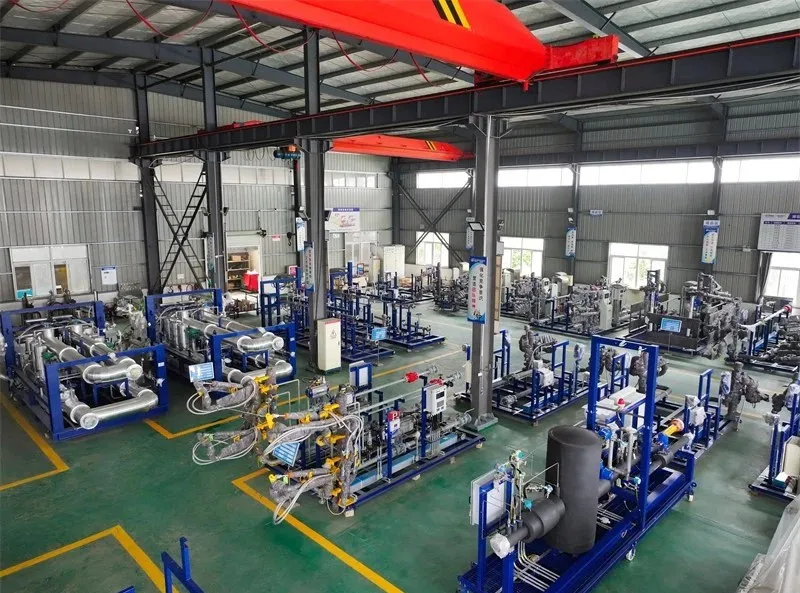
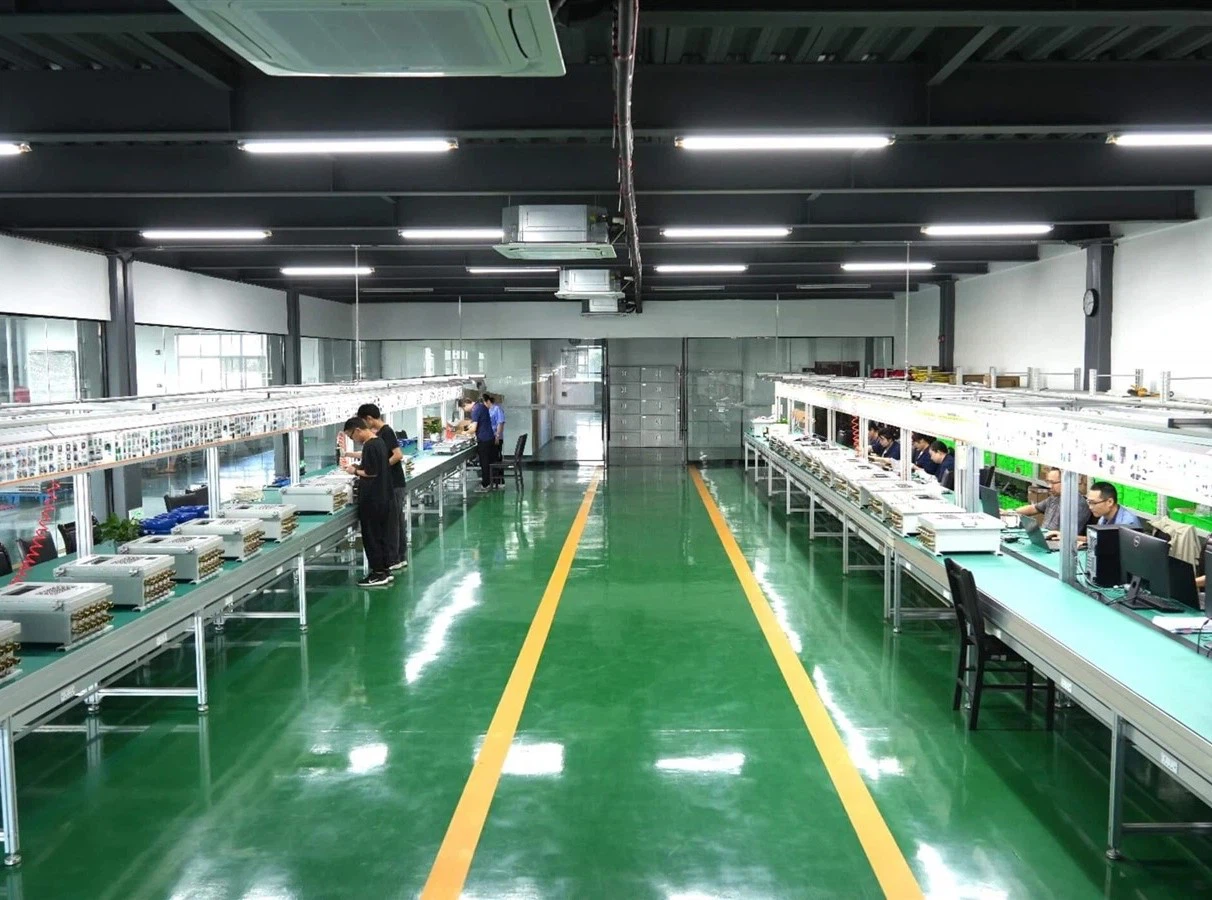
Committed to responsive service and global reach, Shenzhen Liftora Arm Co., Ltd. offers timely technical support, fast online responses, and reliable after‑sales services to clients worldwide. With a growing network of partners and distributors, Liftora Arm has earned the trust of engineering companies, terminal operators, and major industrial customers across Asia, Europe, Africa, and the Americas. Driven by continuous innovation and a customer‑centric approach, we strive to deliver fluid handling equipment that enhances efficiency, safety, and operational excellence in every application.
By deploying cutting-edge hydraulic balancing technology, robust swivel joints with dual-leakage monitoring, and sophisticated control systems, Liftora Arm stands at the forefront of safe marine transfer. Our equipment addresses structural loading requirements while incorporating safety options like emergency release couplers (ERC) and quick-connect systems (QCDC).
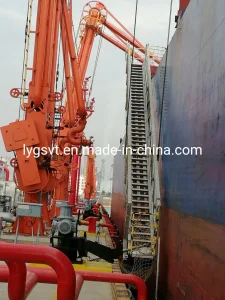
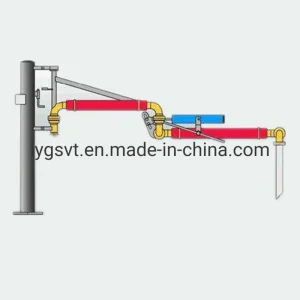
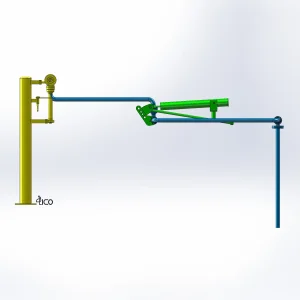
Modern fluid transfer engineering treats the vessel, loading arm, and pump station as a unified, dynamic system. Industry standards like those from the Oil Companies International Marine Forum (OCIMF) outline the design parameters for Marine Loading Arms (MLAs). These arms manage the physical connection between shore and vessel manifolds, adapting to vessel motions caused by wind, waves, currents, and draft changes.
Rather than operating independently, the loading arm and the fluid pump function in tandem. A change in pump flow rate affects pressure dynamics across the line, requiring real-time response from the arm's control systems. If an emergency shutdown (ESD) occurs, valves close rapidly, generating pressure surges. Advanced surge analysis tools simulate these events to design protective measures like vapor return lines, surge tanks, and automated bypass valves, protecting pipelines and mechanical connections from damage.
The future of marine transfer lies in digital integration. Modern operations deploy PLC-controlled skids featuring Coriolis mass flow meters, real-time pressure monitoring, and electronic position detection systems for loading arms. These technologies allow terminal control centers to optimize loading sequences, monitor seal wear, and prevent overfill hazards. This shift toward smart infrastructure improves safety, enhances efficiency, and minimizes environmental risks.
To assist procurement managers, EPC contractors, and terminal developers, the following analysis details the operational capabilities, core technologies, and product focuses of the top ten global leaders in marine fluid transfer systems.
Specialization: Custom marine loading arms, truck loading arms, and integrated metering/dosing skids.
Core Advantage: Independent component development, fast response engineering support, and customizable configurations suited for high-density, harsh-environment fluid transfer.
Specialization: High-capacity loading arms and cryogenic LNG transfer systems.
Core Advantage: Industry-standard Chiksan® swivel joints and advanced emergency release couplers (ERC) for demanding marine environments.
Specialization: Marine, truck, and rail loading arms designed for chemical and liquid gas transfer.
Core Advantage: Focus on operator safety and customized designs utilizing corrosion-resistant alloys.
Specialization: Heavy-duty marine loading arms and specialized control systems.
Core Advantage: Fully integrated safety system solutions, quick connect-disconnect couplers (QCDC), and robust structural frame designs.
Specialization: Fluid handling equipment, bulk fluid transfer arms, and safety access systems.
Core Advantage: Global distribution network and turnkey engineering capabilities from design through commissioning.
Specialization: Fluid transfer systems, industrial loading arms, and clean fuel technologies.
Core Advantage: Extensive portfolio of reliable mechanical swivel systems and globally recognized safety compliance.
Specialization: Heavy-duty land and marine transfer arms, couplers, and vapor recovery systems.
Core Advantage: Decades of engineering history and specialized equipment for high-flow fuel delivery.
Specialization: Liquid ring pumps and chemical loading arm integrations.
Core Advantage: Proven reliability in industrial vacuum and positive displacement fluid handling systems.
Specialization: High-capacity centrifugal transfer and cargo loading pumps.
Core Advantage: High-efficiency hydraulics and materials designed for offshore oil and petrochemical applications.
Industrial liquid transfer systems require high levels of safety and operational compliance. Standardized design rules help prevent structural failure and environmental incidents in harsh offshore conditions.
Key industry standards like the ASME Section VIII code regulate the design and fabrication of pressurized systems and containment vessels. Crucial components, including swivel joints, are subjected to strict non-destructive testing (NDT) procedures—such as radiographic, ultrasonic, and dye-penetrant testing—to verify the structural integrity of welds under pressure. Additionally, compliance with the ATEX/IECEx directives is mandatory for all electronic sensors and hydraulic controls deployed in volatile terminal environments to eliminate the risk of ignition.
Essential safety systems include the Emergency Release System (ERS) with integrated Emergency Release Couplers (ERC). These components isolate fluid lines and separate the loading arm from the vessel without leakage if the ship drifts beyond the safe operating envelope.
Strict environmental rules require minimizing vapor emissions during fluid transfers. Consequently, modern marine loading arms are designed with dedicated vapor return lines and integrated recovery systems to capture volatile organic compounds (VOCs) and protect atmospheric air quality.
Dynamic balancing, achieved through counterweights, ensures that the arm remains light and manageable during connection and operates smoothly under load. This design reduces mechanical stress on both the terminal structure and the ship's manifold.
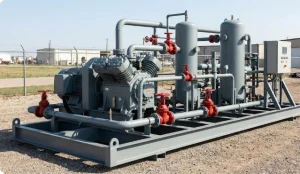
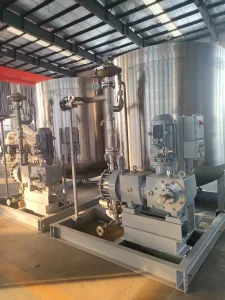
Skid-mounted systems pre-integrate pumps, flow meters, valves, control panels, and piping on a unified structural frame. This approach ensures precise measurement, simplifies installation, and accelerates terminal commissioning.
 Liftora Arm