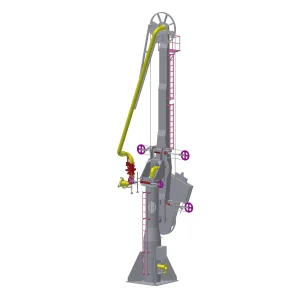
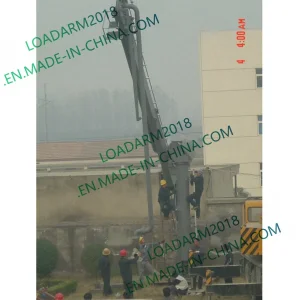
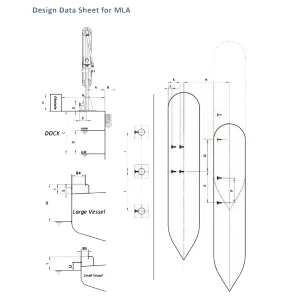
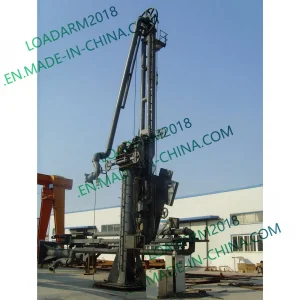
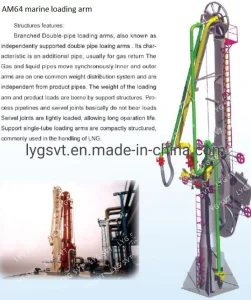
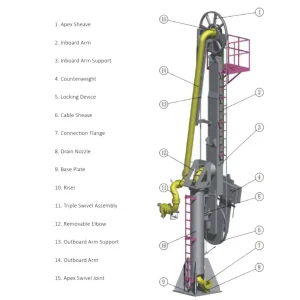
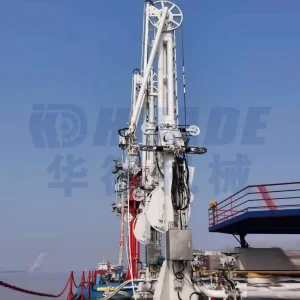
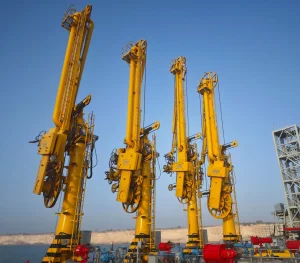
Specifically configured for the high-viscosity crude and heavy offshore transfer conditions found in Jose Terminal and Lake Maracaibo.
Venezuela holds the world's largest proven crude oil reserves, concentrated largely in the Orinoco Belt (Faja Petrolífera del Orinoco) and surrounding Lake Maracaibo. For decades, the nation's economic engine has relied heavily on the continuous and safe loading of extra-heavy oil, diluted crude oil (DCO), and refined petroleum products like Liquefied Petroleum Gas (LPG) for export. The maritime gateways, particularly the Jose Terminal, Puerto La Cruz, and terminals within the Lake Maracaibo basin, operate under unique, highly challenging industrial constraints.
The crude processed in Venezuela is highly viscous, often requiring thermal insulation, steam tracing, or jacketed fluid pathways to maintain flowability during terminal transfers. Standard manual or low-capacity loading systems fail under these high-torque and high-temperature demands. Consequently, there is an urgent demand for heavy-duty, corrosion-resistant, and highly automated hydraulic marine loading arms (MLAs) that conform strictly to international safety standards (such as OCIMF and ASME B31.3) while weathering the corrosive marine environment of the Caribbean.
Modern marine and land terminal designs are rapidly transitioning from legacy mechanical configurations to cyber-physical automated systems. This global shift is driven by three main factors:
Constructed with dual-race ball bearings and specialized PTFE seals to withstand high torsional stresses under dynamic vessel movements.
Equipped with Quick Connect/Disconnect Couplers (QCDC) and Emergency Release Systems (ERS) for high-integrity protection.
Smart PLC automation allowing precise, proportional valve control with integrated wind-load monitoring sensors.
For international buyers and engineering procurement firms catering to the Venezuelan market, sourcing machinery demands high quality control paired with reliable logistics. China's industrial strategy, powered by Factory 4.0 principles, delivers an optimal balance of advanced manufacturing and economic efficiency. By employing robotic structural welding, real-time ultrasonic weld inspection, and automated CNC machining for large-bore swivel joints, Chinese factories achieve tolerances that match or exceed European standards at competitive price points.
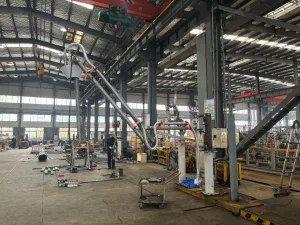
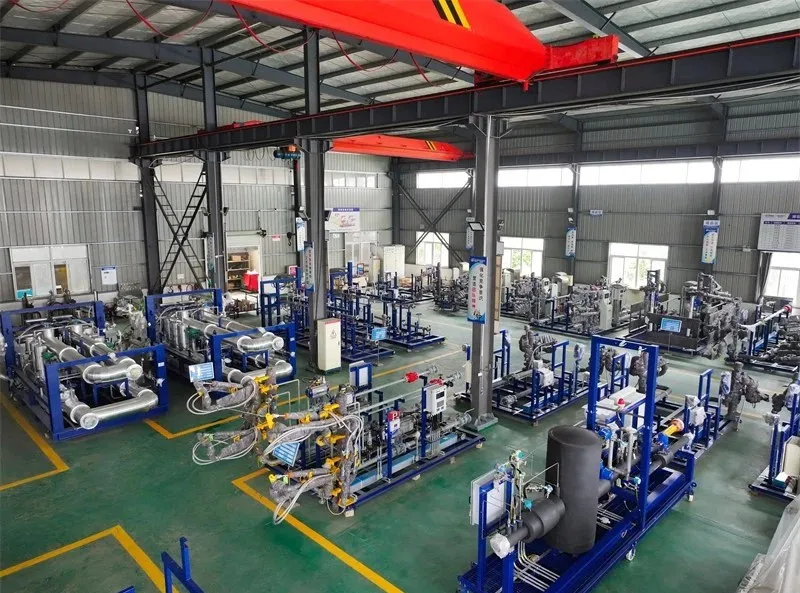
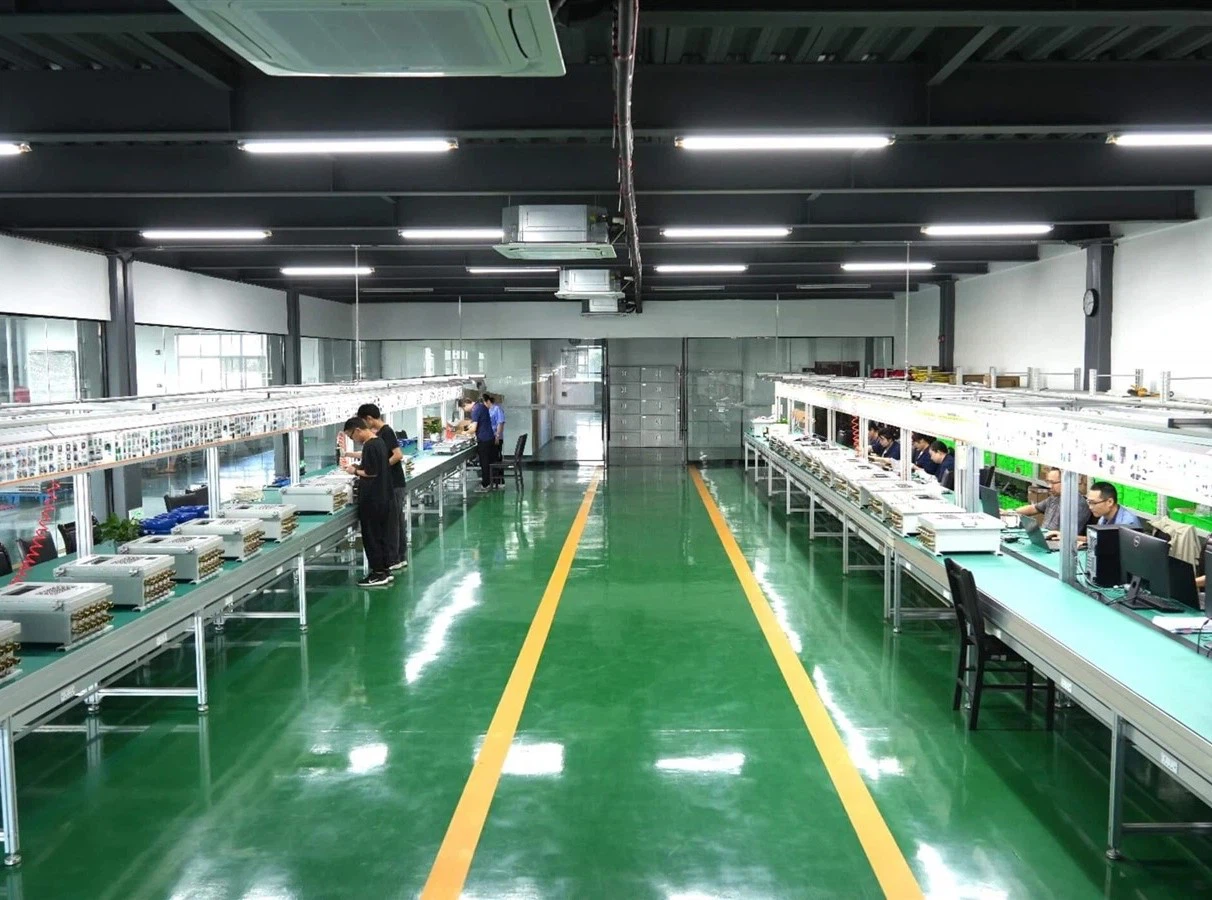
Shenzhen Liftora Arm Co., Ltd. stands at the forefront of this manufacturing evolution. We are a professional manufacturer and engineering company specializing in the design, development, and production of advanced loading arm systems and fluid transfer solutions. Founded with a commitment to innovation, quality, and customer satisfaction, Liftora Arm has rapidly grown into a trusted partner for global energy, petrochemical, and industrial fluid handling projects. Our headquarters and manufacturing facilities in Shenzhen, China are equipped with modern production lines, precision fabrication tools, and rigorous testing equipment to ensure the consistent delivery of high‑performance products.
At Liftora Arm, we focus on the independent development and manufacturing of core components, enabling us to provide customers with robust marine loading arms, truck loading arms, and integrated metering skid systems tailored to diverse operating environments. Our comprehensive engineering service team collaborates closely with clients from initial concept through production and after‑sales support, ensuring cost‑effective solutions that meet stringent industry requirements. We adhere to international design and safety standards, and our products are engineered for durable performance, operational reliability, and ease of maintenance.
Committed to responsive service and global reach, Shenzhen Liftora Arm Co., Ltd. offers timely technical support, fast online responses, and reliable after‑sales services to clients worldwide. With a growing network of partners and distributors, Liftora Arm has earned the trust of engineering companies, terminal operators, and major industrial customers across Asia, Europe, Africa, and the Americas. Driven by continuous innovation and a customer‑centric approach, we strive to deliver fluid handling equipment that enhances efficiency, safety, and operational excellence in every application.
In typical Venezuelan coastal conditions (such as the Jose Terminal or El Chaure Marine Terminal), equipment is subjected to high humidity, aggressive ambient salt concentrations, and high UV radiation. The structural steel frame, hydraulic piping, and internal product lines must be designed with top-tier materials and surface coatings to prevent catastrophic stress corrosion cracking (SCC) or localized pitting.
| Parameter / Component | Standard Specification | Heavy-Crude & Marine (Venezuela Grade) |
|---|---|---|
| Product Pipe Materials | ASTM A106 Gr.B / ASTM A312 TP316L | SS316L or Duplex Stainless Steel (UNS S31803) |
| Operating Temperature | -29°C to +80°C | Jacketed Steam Traced up to +200°C / Cryogenic -196°C (LNG) |
| Swivel Joint Seal Design | Single-face Elastomeric Seal | Spring-energized PTFE Lip Seals with Secondary Dust Seal |
| Hydraulic System Integration | Manual valve controls | Ex-d IIB T4 Explosion-Proof electro-hydraulic HPU with PLC control |
| Corrosion Protection | Standard Epoxy Primed | ISO 12944 C5-M Marine Coating System (Three layers, min 320 μm) |
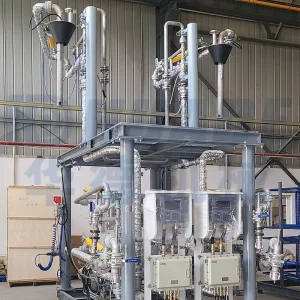
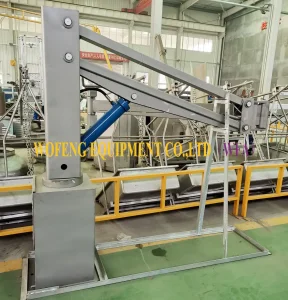
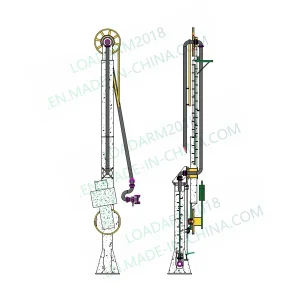
Examine our specialized engineering designs, ranging from marine loading arms to high-temperature cantilever systems.
Get authoritative answers regarding engineering standards, custom options, and shipping constraints.
All Liftora marine loading arms are engineered in strict compliance with international petroleum standards. The primary structural design conforms to OCIMF (Oil Companies International Marine Forum) Guidelines (4th Edition), ASME B31.3 (Process Piping Code), and EN 1474 (for cryogenic fluid transfer systems). All electrical control systems, including the HPU, solenoids, and position monitoring sensors, hold certified ATEX / IECEx certificates for Zone 1 or Zone 2 hazardous locations.
High-viscosity crude oils require high structural load limits and heating solutions. Liftora addresses this by applying jacketed systems (steam or hot oil tracing) or electrical heat tracing (EHT) directly on the product arm. Additionally, the hydraulic power unit (HPU) is sized to yield superior torque, enabling the product arm to handle the high static weight of the heavy oil column and prevent plugging within the swivel joints during cold-starts.
We provide a comprehensive 12-month operational warranty starting from commissioning, or 18 months from the date of bill of lading. Liftora offers remote technical troubleshooting via secure networks and can dispatch certified engineers to site locations in Venezuela for critical installation supervision, site testing (SAT), and operator training programs.
Yes. Our LPG and chemical loading arms can be configured with an auxiliary vapor recovery line (VRL) mounted parallel to the liquid line. The system utilizes specialized swivels that allow the vapor return path to remain flexible, maintaining a closed-loop seal during the entire loading sequence and preventing product off-gassing into the marine environment.
Our dual-valve ERS is designed to monitor ship drift limits via absolute encoders. If the vessel drifts beyond the safe working envelope (such as from strong winds or high swells in Venezuelan offshore berths), a two-stage alarm sounds. Upon reaching the limit, the hydraulic actuator closes both ball valves within seconds and triggers the quick-release clamp, safely releasing the arm without any oil leakage.
Partner with Shenzhen Liftora to secure high-reliability fluid transfer infrastructure. Our engineering team will review your datasheets, site drawings, and specific project parameters to generate a custom proposal.
Send Inquiry Now Liftora Arm