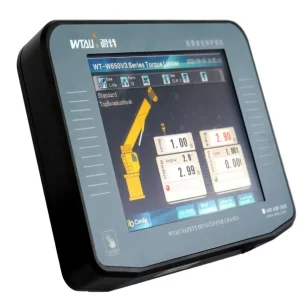
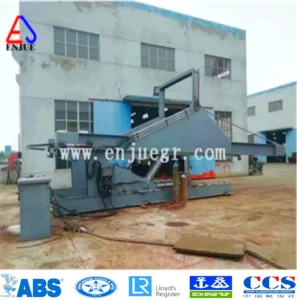
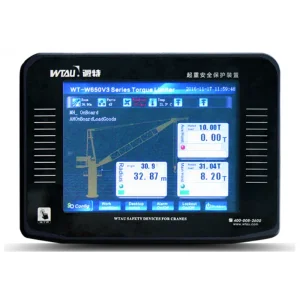
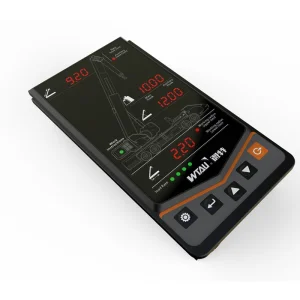
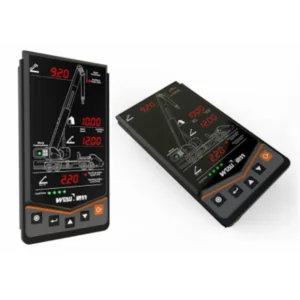
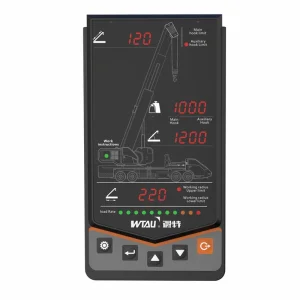
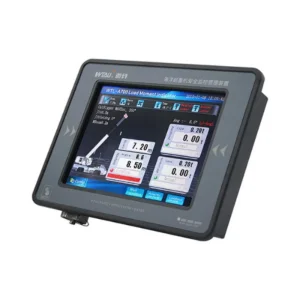
Engineered for extreme offshore conditions, our primary line of marine crane safety and load management platforms ensures operational reliability and regional regulatory compliance.
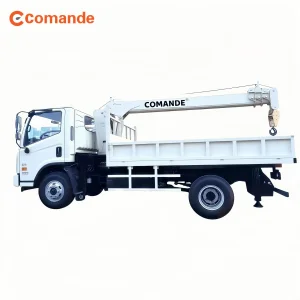
Hai Phong, acting as the primary northern gate to Vietnam’s maritime shipping routes, is undergoing a rapid metamorphosis. Driven by the expansion of the Lach Huyen Deep-Water Port and the establishment of high-density logistics corridors in the Dinh Vu-Cat Hai Economic Zone, the demand for safe, resilient, and compliant offshore loading systems is at an all-time high. Oceanic environments in the Gulf of Tonkin present unique hazards—ranging from sudden tropical depressions and heavy monsoonal winds to high humidity and salt spray salinity. In this context, standard loading systems and land-based safety monitors fail to meet maritime safety parameters.
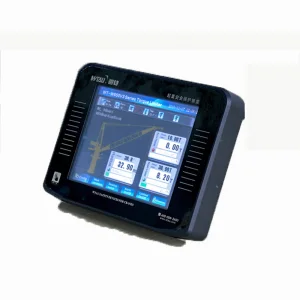
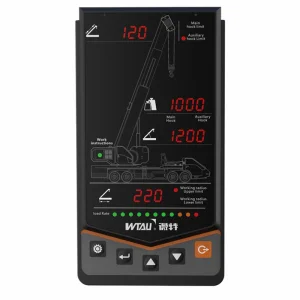
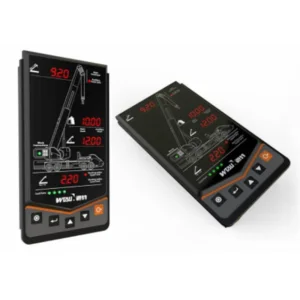
As manufacturers and exporters serving Hai Phong, we prioritize the integration of structural integrity with digital safety nets. Modern offshore loading requires dual emphasis: heavy-duty structural articulation (such as marine loading arms and telescopic cranes) combined with digital monitoring grids (such as Safe Load Indicators, or SLI, and Load Moment Indicators, or LMI). By collecting real-time dynamic load variables, our systems prevent disastrous structural collapses during ship-to-ship, ship-to-shore, and offshore platform-to-supply-vessel transfers.
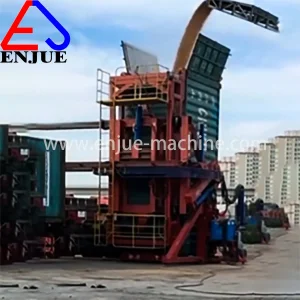
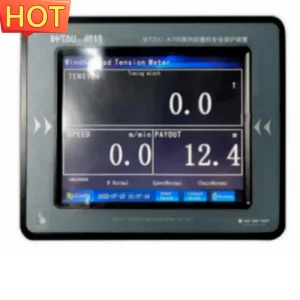
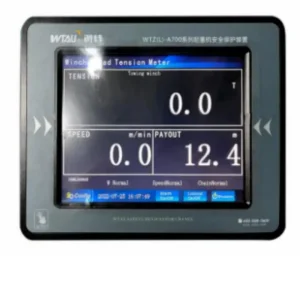
During northern Vietnam’s annual typhoon seasons, port operators face unpredictable hydrodynamic surges. Fluid transfer operations (oil, gas, chemical products, and dry bulk) and heavy lifting on offshore supply vessels (OSVs) demand extreme mooring stability and real-time tension monitoring. In addition, the massive throughput growth in Hai Phong's container yards requires accelerated bulk cargo handling, making automated 20ft and 40ft container tilters critical to keeping vessel dwell times to an absolute minimum.
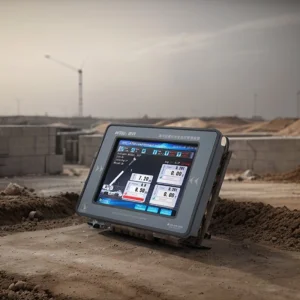
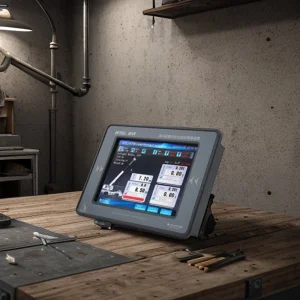
The future of offshore safety lies in real-time edge processing and sensor fusion. Our current technical roadmap focuses on integrating high-precision load cells, angle sensors, and wind speed anemometers into a single, unified monitor dashboard. By incorporating ATEX-certified explosion-proof circuitry, our systems are optimized for hazardous Zone 1 and Zone 2 environments on oil platforms and FPSOs.
Looking forward, we are developing predictive maintenance algorithms powered by ML networks. By tracking structural deflection patterns and stress histories on marine cranes and loading arms, the system will alert engineering teams in Hai Phong of potential fatigue points *before* failure occurs. This dramatically reduces downtime, cuts operational risk, and aligns terminal practices with international DNV GL, ABS, and Lloyd’s Register standards.
Shenzhen Liftora Arm Co., Ltd. is a professional manufacturer and engineering company specializing in the design, development, and production of advanced loading arm systems and fluid transfer solutions. Founded with a commitment to innovation, quality, and customer satisfaction, Liftora Arm has rapidly grown into a trusted partner for global energy, petrochemical, and industrial fluid handling projects. Our headquarters and manufacturing facilities in Shenzhen, China are equipped with modern production lines, precision fabrication tools, and rigorous testing equipment to ensure the consistent delivery of high‑performance products.
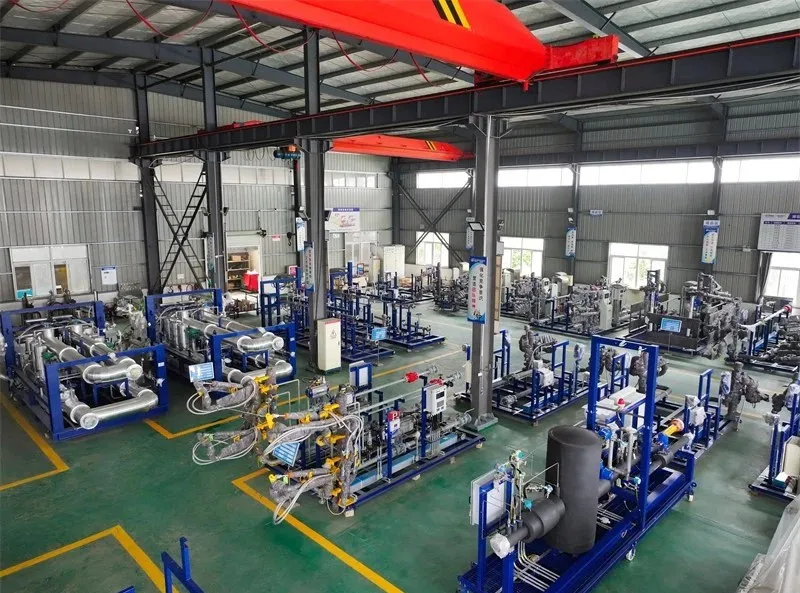
At Liftora Arm, we focus on the independent development and manufacturing of core components, enabling us to provide customers with robust marine loading arms, truck loading arms, and integrated metering skid systems tailored to diverse operating environments. Our comprehensive engineering service team collaborates closely with clients from initial concept through production and after‑sales support, ensuring cost‑effective solutions that meet stringent industry requirements. We adhere to international design and safety standards, and our products are engineered for durable performance, operational reliability, and ease of maintenance.
Committed to responsive service and global reach, Shenzhen Liftora Arm Co., Ltd. offers timely technical support, fast online responses, and reliable after‑sales services to clients worldwide. With a growing network of partners and distributors, Liftora Arm has earned the trust of engineering companies, terminal operators, and major industrial customers across Asia, Europe, Africa, and the Americas. Driven by continuous innovation and a customer‑centric approach, we strive to deliver fluid handling equipment that enhances efficiency, safety, and operational excellence in every application.
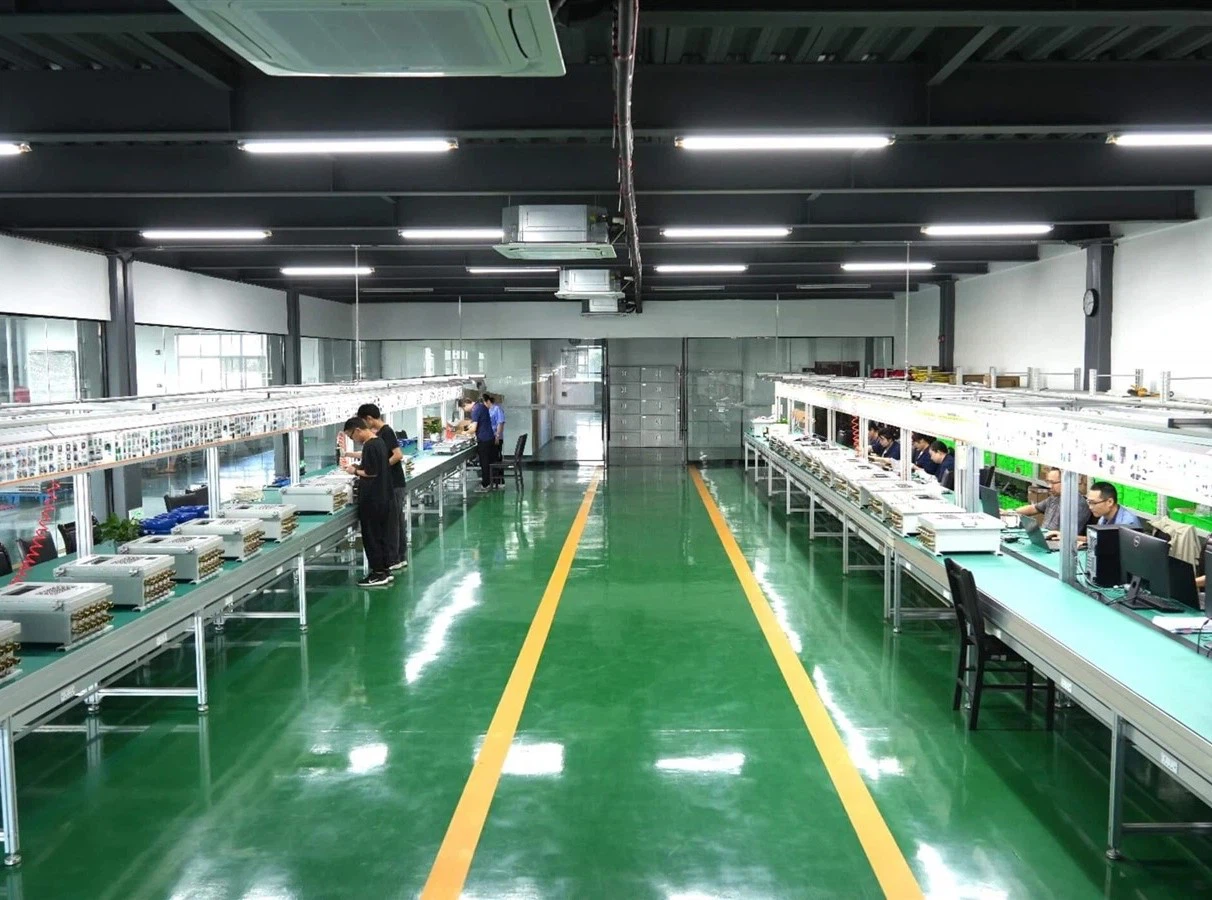
From our state-of-the-art production base in Shenzhen, Liftora Arm delivers massive logistical and engineering advantages to the port operations of northern Vietnam. As neighboring trading partners under the Regional Comprehensive Economic Partnership (RCEP), China and Vietnam benefit from optimized customs procedures and lowered tariff barriers. Transit shipping from the Port of Shenzhen to the Port of Hai Phong typically takes only 3 to 5 days, enabling rapid replacement-part delivery and reduced lead times for large-scale infrastructure overhauls.
Furthermore, Shenzhen's advanced industrial ecosystem allows Liftora Arm to source grade-A raw steel, high-end electronic microprocessors, and specialized offshore corrosion-resistant coatings at highly competitive rates. We execute full-lifecycle manufacturing, covering in-house CNC machining, high-pressure welding, and pressure testing under strict ISO 9001 and ISO 14001 guidelines. This integration allows us to keep engineering standards high while offering significant cost efficiencies to our clients in Hai Phong.
Explore our specialized sub-systems, instrumentation upgrades, and heavy-duty mooring components designed to withstand offshore environments.
 Liftora Arm