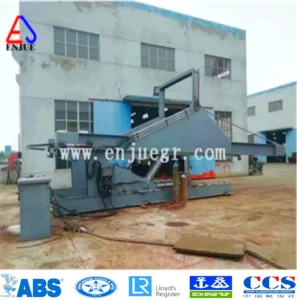
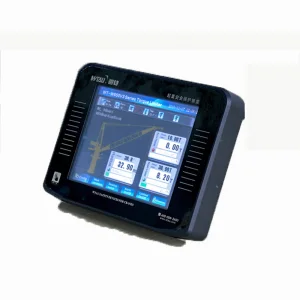
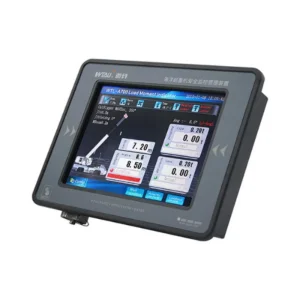
Engineered to support safe heavy lifting, fluid transfer, and containerized transport for complex regional offshore projects.
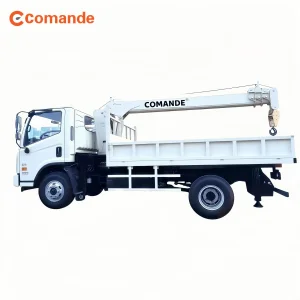
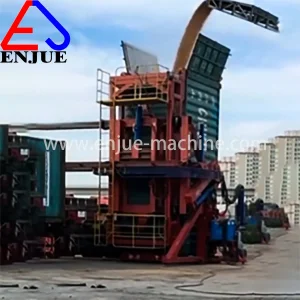
Rwanda's strategic industrial positioning is undergoing a paradigm shift, centered around the monetization of the massive gas reserves dissolved in the deep waters of Lake Kivu. Lake Kivu contains an estimated 60 billion cubic meters of dissolved methane gas. The extraction of this gas requires unique floating platform infrastructures, functioning essentially as "inland offshore projects."
These floating extraction plants and barge-mounted power stations demand high-integrity mooring systems, marine crane load limiters, and specialized fluid loading arms designed to handle variable water levels, high humidity, and explosive gas environments. As Rwanda seeks to modernize its port infrastructure at Lake Kivu (such as Rubavu, Karongi, and Rusizi) and connect with regional networks along the Central Corridor, the demand for robust, certified offshore loading systems and safe load monitoring devices has surged.
For global energy developers operating in Rwanda, establishing a secure fluid path and ensuring heavy hoisting safety on barges is not just a regulatory compliance matter—it is critical to mitigating risk in complex deep-water extraction systems.
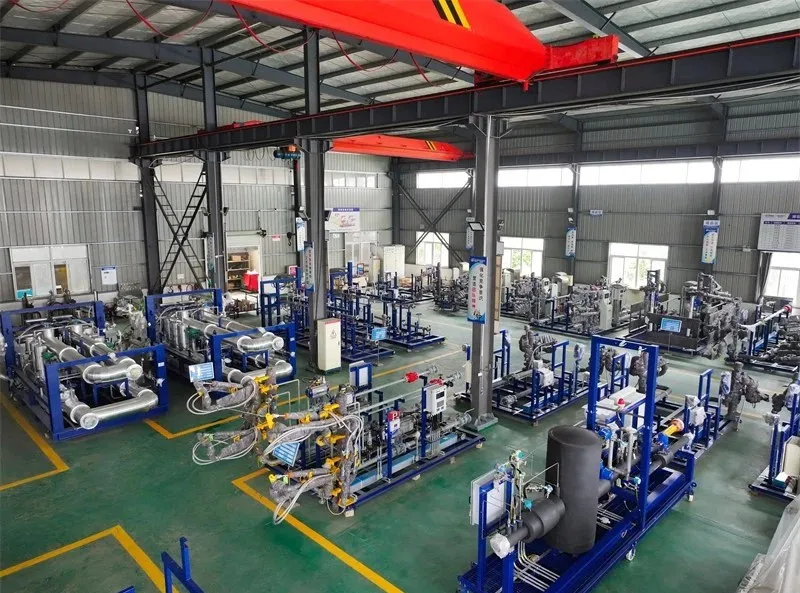
Unlike typical marine loading environments, the conditions on Lake Kivu present unique thermodynamic, chemical, and geographical challenges.
Located 1,460 meters above sea level, fluid transfer dynamics require specialized pressure management and vapor recovery systems to prevent cavitation and trace-gas venting.
Methane and carbon dioxide mixtures present highly explosive environments. Loading controls, limit switches, and crane monitoring systems must meet rigid European ATEX / IECEx standards.
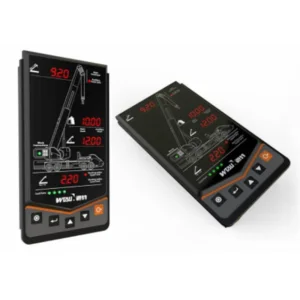
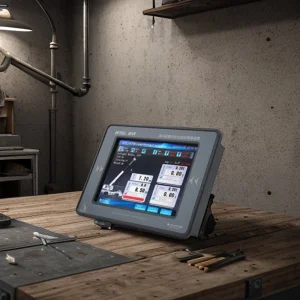
Floating platforms suffer from swell, wind, and weight shifting. Safe Load Indicators (SLI) and Mooring Load Monitoring prevent crane tipping and structural failures during cargo shifts.
Comparison of critical requirements for systems deployed on Lake Kivu compared to typical ocean terminal installations.
| Performance Spec / Factor | Oceanic Marine Terminals | Lake Kivu Offshore Barge Systems | Liftora Technical Solution |
|---|---|---|---|
| Atmospheric Pressure | Sea level (approx 101.3 kPa) | High Altitude (approx 85 kPa) | Modified NPSH pumps & custom vapor return arms |
| Media Toxicity / Ex Class | Standard Hydrocarbons (Zone 1/2) | Methane/CO2 slurry (Zone 0/1) | Certified ATEX Zone 1/0 Safe Sensors |
| Mooring Challenges | Tidal variations, large swells | Wind-shear, deep-lake anchor anchoring | Dynamic Load Cells with real-time telemetry |
| Material Corrosion | High Salinity / Salt fog | High dissolved CO2 / Carbonic acid | Dual-spec Duplex Stainless / High-grade epoxy coating |
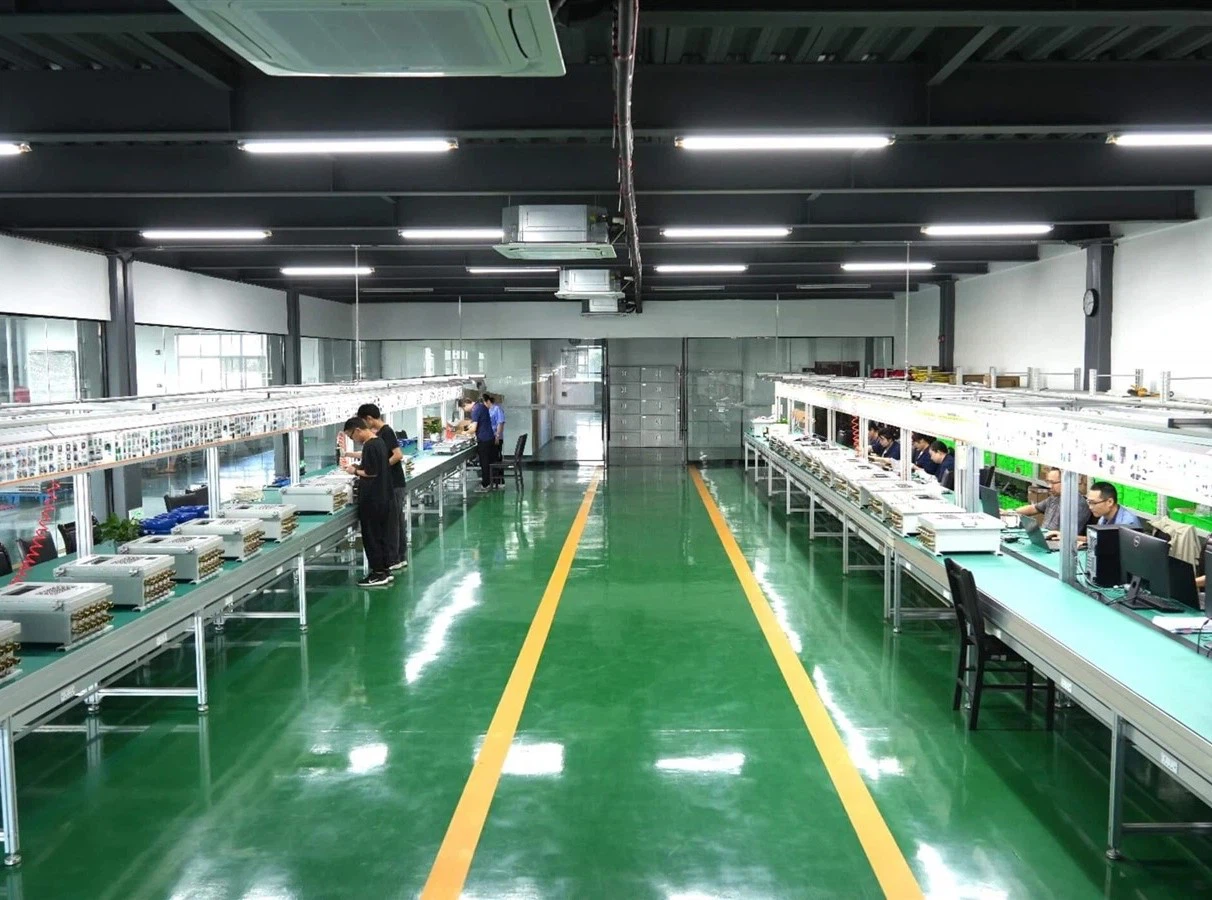
Shenzhen Liftora Arm Co., Ltd. is a professional manufacturer and engineering company specializing in the design, development, and production of advanced loading arm systems and fluid transfer solutions. Founded with a commitment to innovation, quality, and customer satisfaction, Liftora Arm has rapidly grown into a trusted partner for global energy, petrochemical, and industrial fluid handling projects. Our headquarters and manufacturing facilities in Shenzhen, China are equipped with modern production lines, precision fabrication tools, and rigorous testing equipment to ensure the consistent delivery of high‑performance products.
At Liftora Arm, we focus on the independent development and manufacturing of core components, enabling us to provide customers with robust marine loading arms, truck loading arms, and integrated metering skid systems tailored to diverse operating environments. Our comprehensive engineering service team collaborates closely with clients from initial concept through production and after‑sales support, ensuring cost‑effective solutions that meet stringent industry requirements. We adhere to international design and safety standards, and our products are engineered for durable performance, operational reliability, and ease of maintenance.
Committed to responsive service and global reach, Shenzhen Liftora Arm Co., Ltd. offers timely technical support, fast online responses, and reliable after‑sales services to clients worldwide. With a growing network of partners and distributors, Liftora Arm has earned the trust of engineering companies, terminal operators, and major industrial customers across Asia, Europe, Africa, and the Americas. Driven by continuous innovation and a customer‑centric approach, we strive to deliver fluid handling equipment that enhances efficiency, safety, and operational excellence in every application.
How we deliver heavy engineering systems securely to landlocked East African locations.
Our dedicated logistics division routes shipments through the Dar es Salaam Port (Tanzania) or Mombasa Port (Kenya), transitioning to heavy-duty flatbed transport along the Central and Northern Corridors directly to Rwanda.
All loading arms and crane limiters are pre-certified with the Rwanda Standards Board (RSB) guidelines, and custom clearance papers are pre-filed under the East African Community (EAC) Common External Tariff codes.
We dispatch qualified site supervision engineers to Lake Kivu and Kigali for installation, commissioning, sensor calibration, and hands-on maintenance crew training.
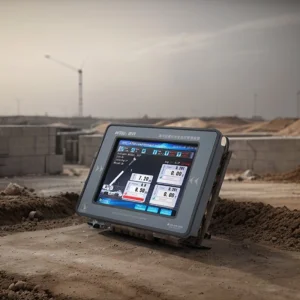
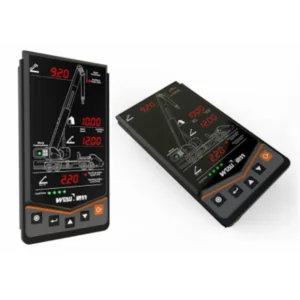
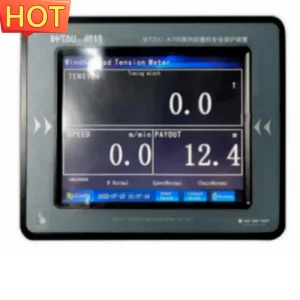
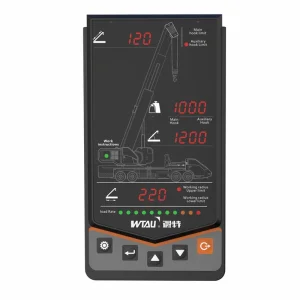
Discover our wide array of safe loading indicators, crane load moment limiters, and specialized marine docking equipment.
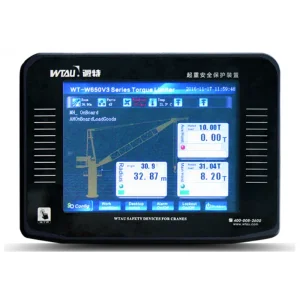
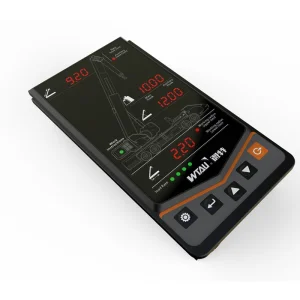
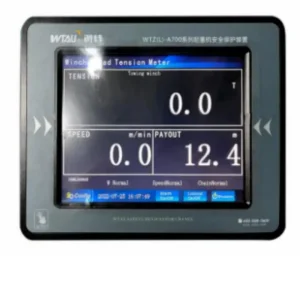
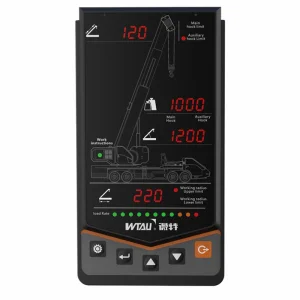
Developing smart systems to optimize reliability and safety for Lake Kivu projects over the next decade.
Developing digital twin modeling for loading arm joints and swivel components to track wear patterns and schedule preventative maintenance before downtime occurs.
Adapting cryogenic loading arms for hydrogen and ammonia transfers, preparing regional terminal projects for the upcoming carbon-neutral fuel shift.
Researching laser-guided, fully automated connection couplers that link barges to platforms with minimal human intervention, dramatically reducing maritime collision risks.
Direct technical feedback from our engineering design team regarding operations in Rwanda.
Lake Kivu features high concentrations of methane gas mixed with carbon dioxide. When this mixture is extracted and processed, any spark from a crane overload sensor or electrical interface on a marine loading arm can cause ignition. Our ATEX-certified systems use intrinsically safe barriers (Ex d / Ex i) to guarantee no spark is produced, even during electrical faults.
We partner with reliable regional logisticians in East Africa. Products are shipped to Dar es Salaam or Mombasa, cleared through the Single Customs Territory framework of the East African Community, and transported by heavy trailers via the Central Corridor directly to the project site. Full transit insurance and custom documentation are included in our export packages.
The dissolved carbon dioxide in Lake Kivu creates carbonic acid, which is highly corrosive to carbon steel. Liftora utilizes Duplex Stainless Steel (UNS S31803 / S32205) or 316L Stainless Steel on all fluid-wetted parts. Outer structural supports are sandblasted to Sa 2.5 and finished with multi-layer marine polyurethane coatings to withstand corrosive atmospheric humidity.
Yes, our engineering team specializes in retrofitting older mobile, telescoping, and lattice boom cranes with modern Safe Load Indicators (like our WTL-A100N system). We install load cells, angle sensors, and control computers, calibrated to your crane's original load charts, providing updated digital safety control systems.
Get in touch with our team in Shenzhen to receive technical drawings, tailored quotes, and certified specification sheets.
Send Inquiry Now Liftora Arm