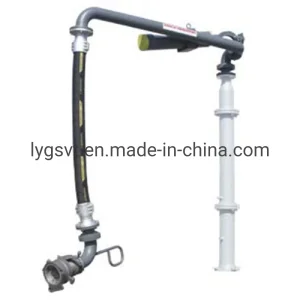
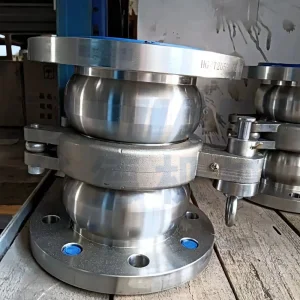
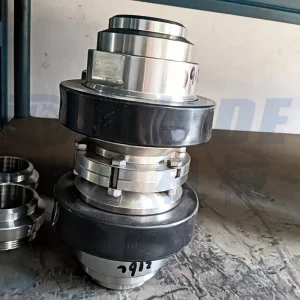
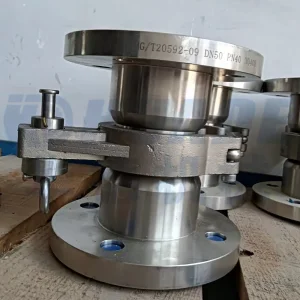
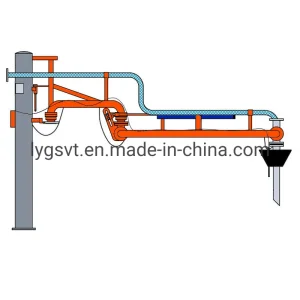
High-performance double-arm configurations, knuckle boom designs, and breakaway coupler valves specifically modified for Pacific atoll operations.
Kiribati, comprising 33 low-lying atolls and reef islands dispersed across 3.5 million square kilometers of the central Pacific Ocean, relies entirely on imported liquid petroleum products to sustain its domestic electricity generation, inter-island transport, and aviation capabilities. With primary discharge terminals concentrated in Betio (Tarawa) and London (Kiritimati Island), the nation's energy import infrastructure operates under some of the most logistically demanding marine conditions on earth.
Because these atolls lack deep-water sheltered harbors, fuel tankers frequently discharge cargo through offshore mooring systems or subsea pipeline manifolds exposed to open ocean swells. These dynamic sea conditions induce severe hydrodynamic stress on flexible hoses and rigid steel structures during fuel bunkering operations. In this high-salinity environment, the consequence of a fuel spill is catastrophic to the sensitive coral ecosystems, artisanal fisheries, and the local groundwater lenses that support life on the islands.
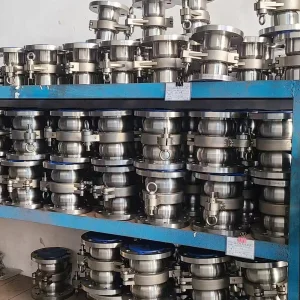
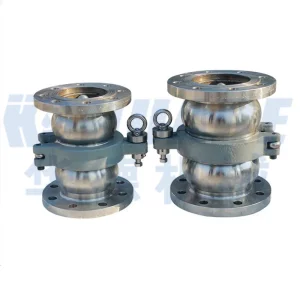
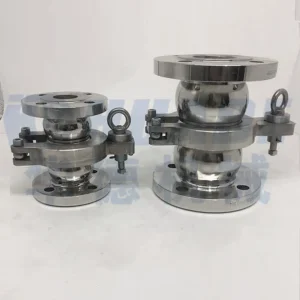
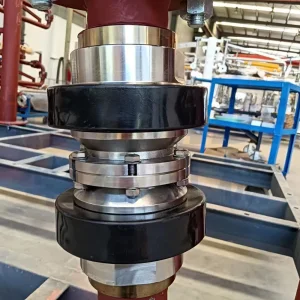
This is where Safety Breakaway Loading Arms become critical. Designed to prevent environmental contamination and protect structural port assets, these systems integrate an automated emergency release mechanism. If a vessel drifts beyond its safe operating envelope due to sudden wind shifts or strong currents, the breakaway system instantly closes the flow and disconnects safely without releasing product into the ocean.
Fluid transfer components engineered for extreme salinity, intense UV radiation, and severe swell conditions.
Designed with dynamic knuckle boom joints and multi-plane swivels to offset tanker movements caused by open-sea swells, protecting connections during critical fuel transfers.
Constructed using marine-grade SS316L, Duplex steel, and specialized C5-M high-durability coatings to prevent galvanic corrosion in high-salinity Pacific waters.
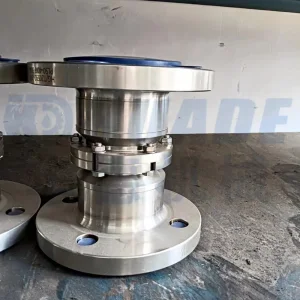
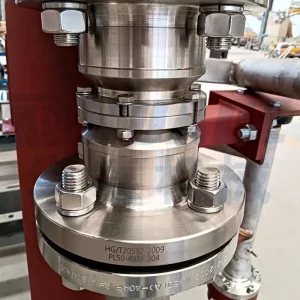
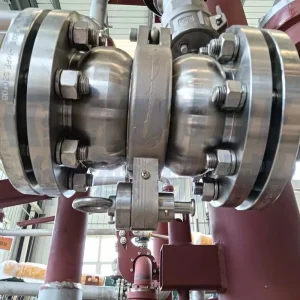
Features double ball valve breakaway couplers that seal the line on both the ship and shore sides within milliseconds of an emergency disconnection.
At the core of Shenzhen Liftora Arm Co., Ltd.’s marine and land loading systems is our proprietary Emergency Release System (ERS). This system does not rely on manual operator intervention. In offshore setups around Tarawa, swell conditions can rapidly exceed normal operational envelopes. Our ERS uses mechanical or hydraulic triggers to manage these limits safely:
All breakaway mechanisms are engineered in compliance with international standards, including OCIMF (Oil Companies International Marine Forum) guidelines and API 2510, securing compatibility with visiting international tankers supplying the South Pacific region.
Because of Kiribati's remote location, supply chains are extended, and downtime is costly. Equipment failure can delay shipping schedules for weeks. Therefore, Liftora Arm uses materials and designs that minimize maintenance and facilitate onsite servicing. Our systems feature dual-race swivel joints with grease nipples that are easily accessible, allowing local port operators to perform routine maintenance using standard tools.
Furthermore, because the country is exposed to warm equatorial temperatures, our structural steel is finished with high-durability coatings that resist UV breakdown and thermal expansion. Our land-based loading arms for diesel and gasoline distribution terminals in Betio feature gas-return vapor recovery lines. This closed-loop design prevents hazardous organic vapors from venting into the atmosphere, protecting port operators and reducing volatile organic compound (VOC) emissions.
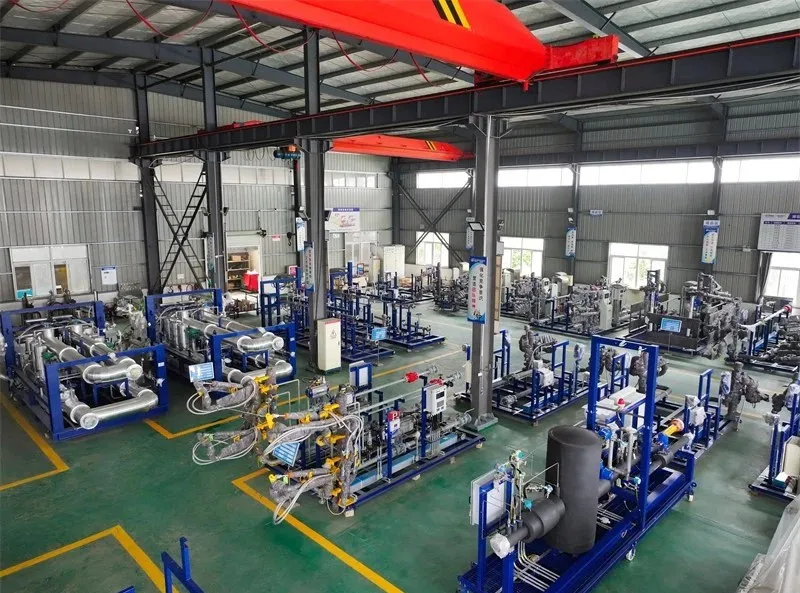
Every terminal is configured differently. Liftora Arm conducts detailed engineering studies for each project, utilizing vessel dimension limits, tidal variations, and swell data to model loading arm envelopes. Our engineers collaborate directly with project managers in Kiribati to supply custom, pre-tested skid packages that reduce installation time on site.
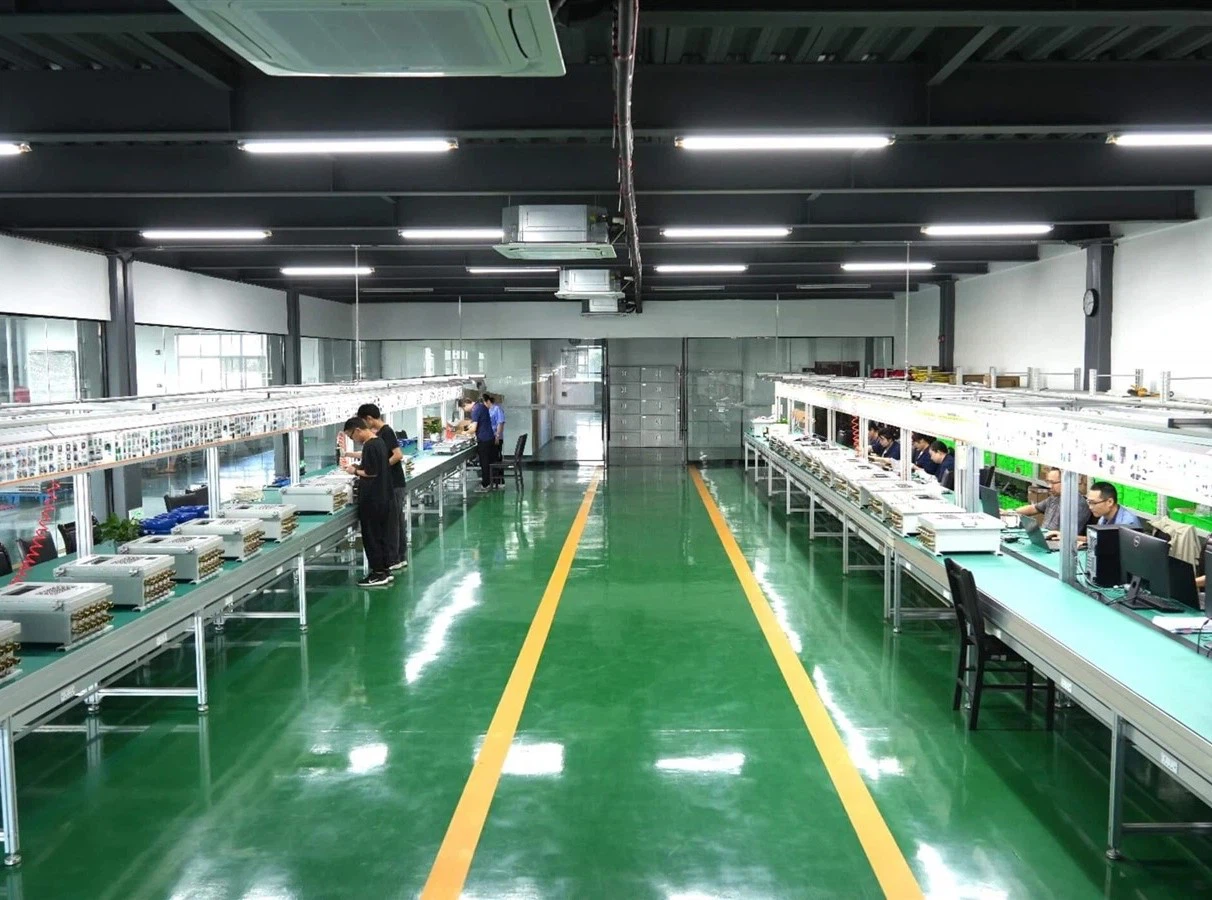
Whether configuring truck loading arms for domestic fuel distribution or marine loading arms for ship-to-shore bunkering, we ensure all components are verified for performance, material traceability, and safety before leaving our factory.
Our systematic approach guarantees safety compliance and long-term durability in remote Pacific installations.
Evaluating tide shifts, swell profiles, product specifications, and terminal flow rates to determine the ideal breakaway thresholds.
Selecting corrosion-resistant alloys, designing custom envelopes, and integrating the Emergency Release Systems (ERS).
Conducting hydrostatic pressure testing, breakaway functional checks, and seal verification at our facility before dispatch.
Providing engineering documentation, installation supervision, and training for local technicians to ensure long-term operational safety.
Explore our full line of safety breakaway couplers, marine loading arms, and automated terminal systems configured for South Pacific operations.
Additional Specialized Systems Available: Heat Tracing Loading Arm for Asphalt Bitumen | Top Loading Arm with Submersible Pump | Top Loading Unloading Arm for Railway/Road Tankers | Top Petrochemical Tanker Loading Unloading Arm
Answers to common questions regarding breakaway design parameters, shipping logistics, and compliance for Pacific terminal projects.
Speak directly with a senior engineering specialist. We provide tailored solutions to match the exact physical constraints, wave swell profiles, and operational parameters of your local terminal.
 Liftora Arm