Product Overview
| Specification |
Details |
| Certification | ISO9001, QS, TUV |
| Type | Single-Arm, Double-Arm |
| Product Service | Petroleum Product, Gasoline, Diesel, and Chemical |
| Model No. | Am61/63/64 |
| Pipeline Material | CS, SS, Low-Temp. CS, Lined with PTFE |
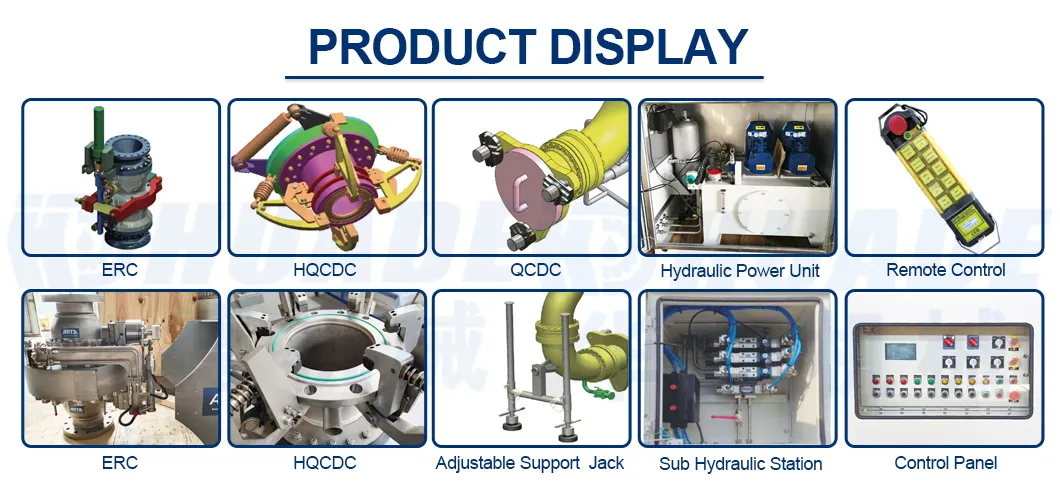
| Accessories | ERC (ERS), QC/DC, PMS, etc. |
| Envelope Range | Customized to User Needs |
| Seal | Viton, PTFE |
| Nominal Diameter | DN80~DN400(3''~16'') |
| Design Pressure | -0.06~10MPa |
| Design Temp. | -196~250℃ |
| Operating Mode | Manual / Electro-Hydraulic |
Product Description
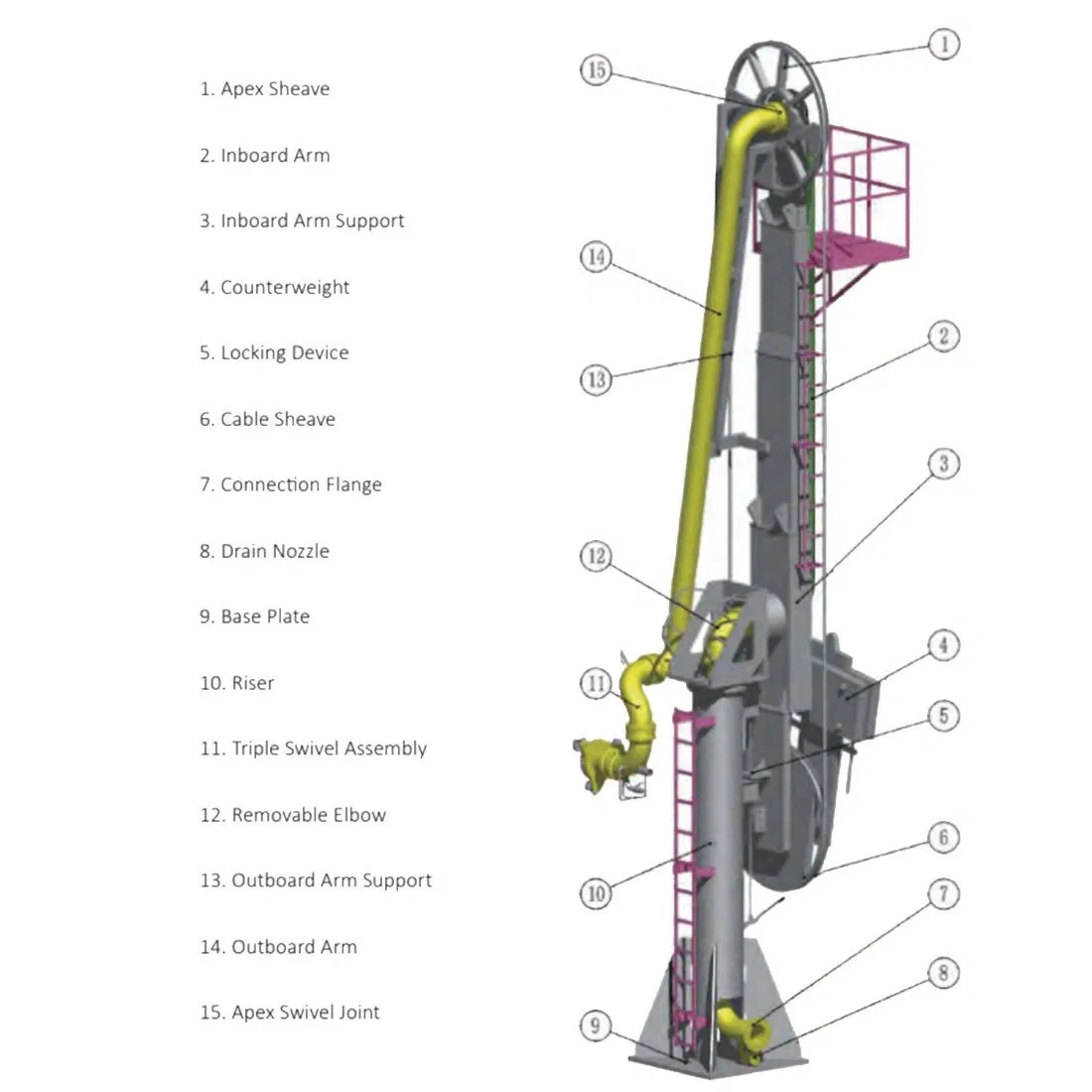
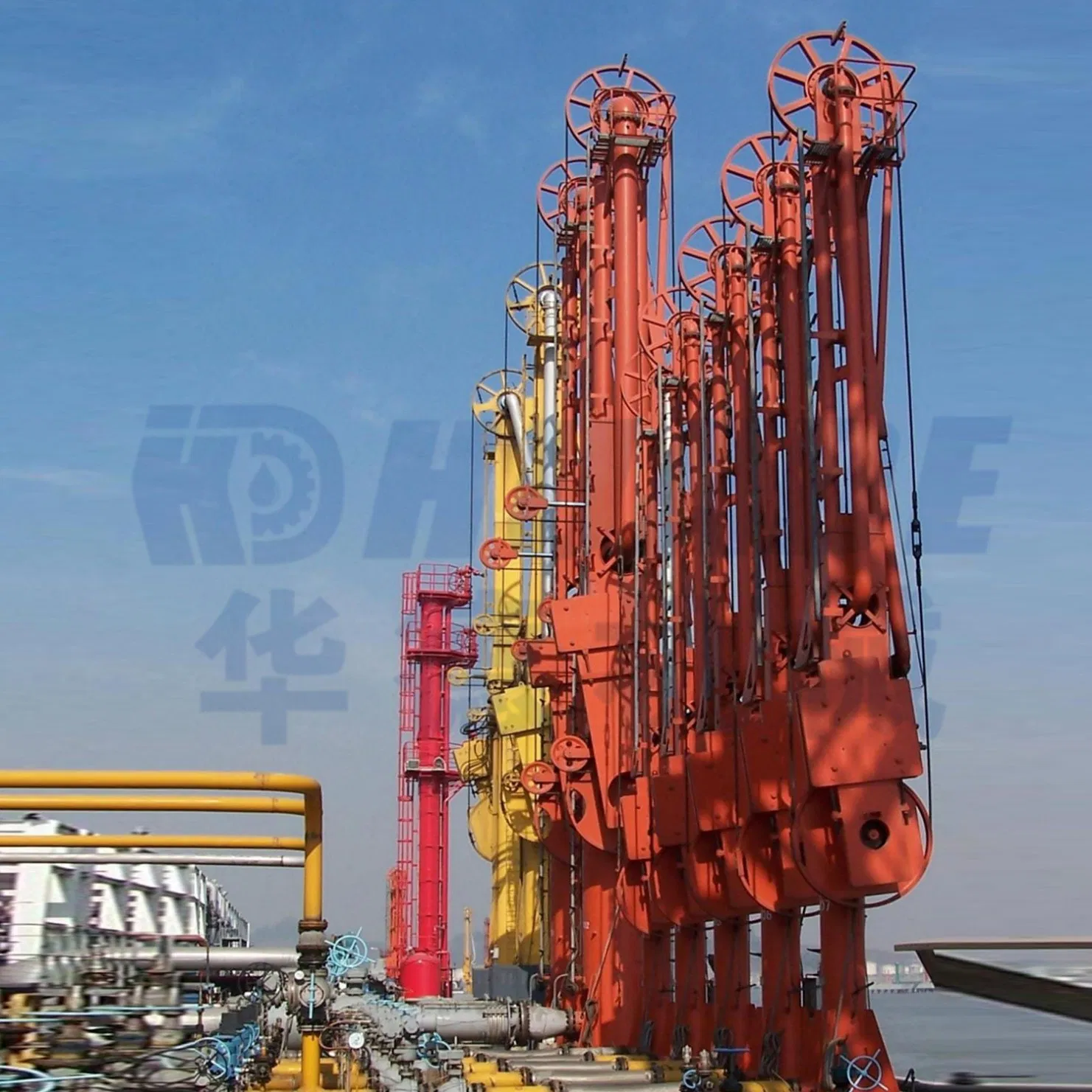
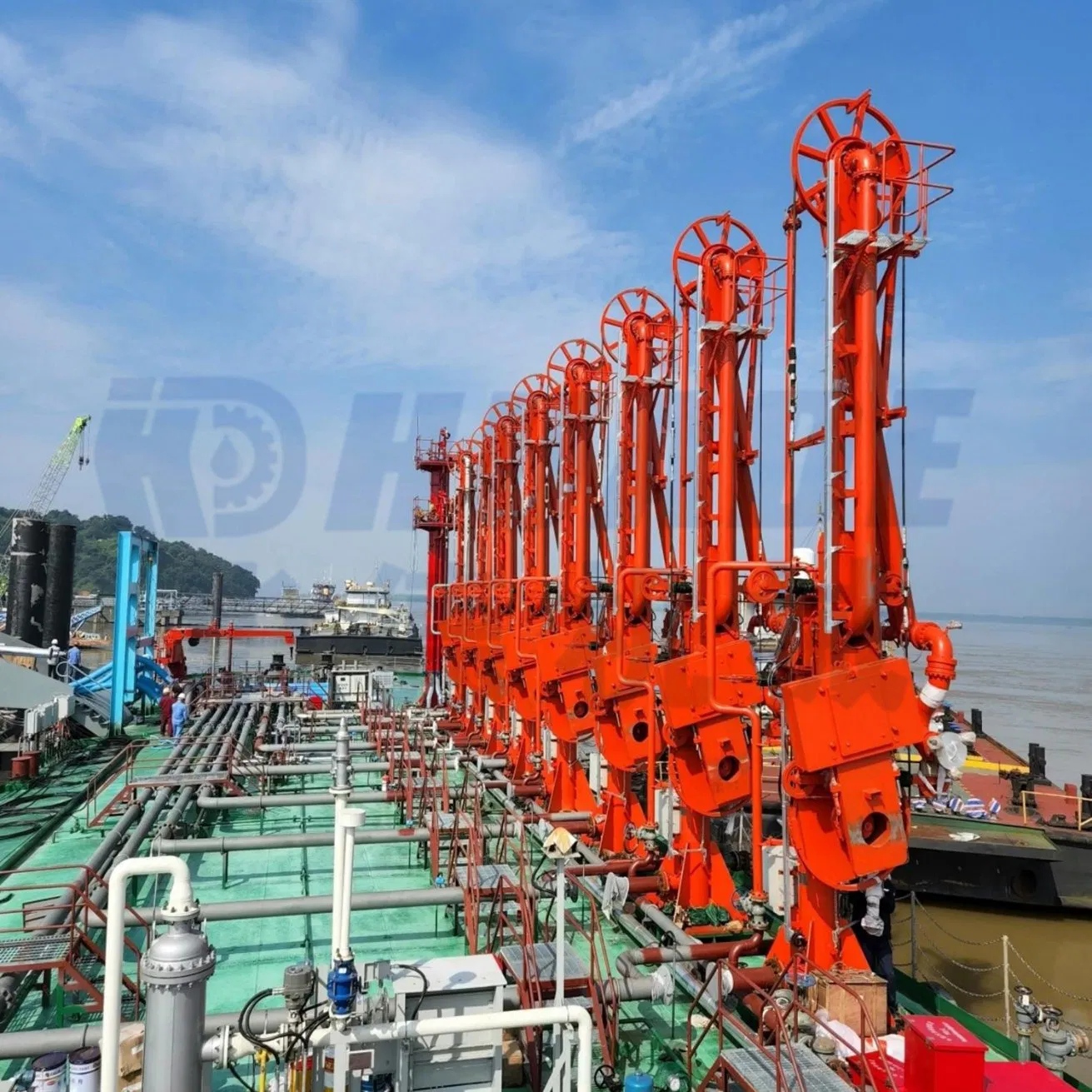
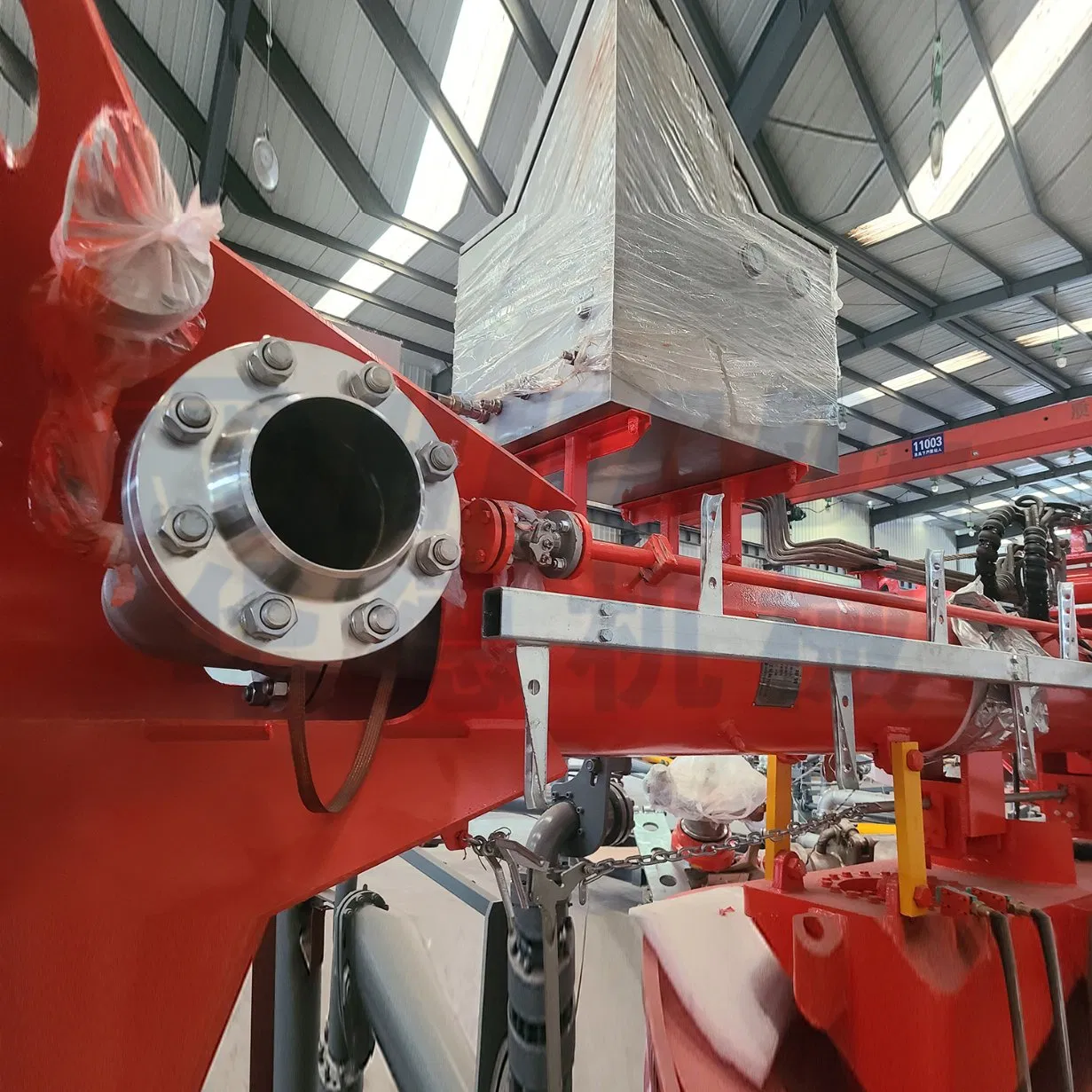
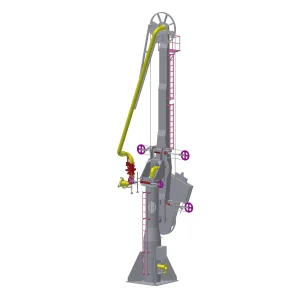
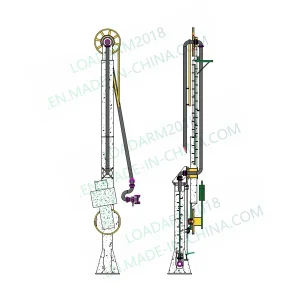
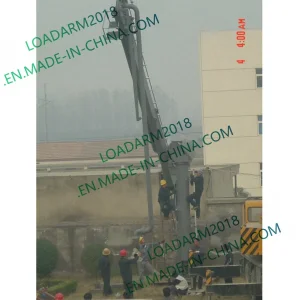
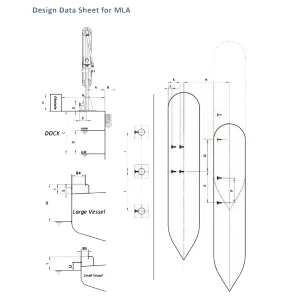
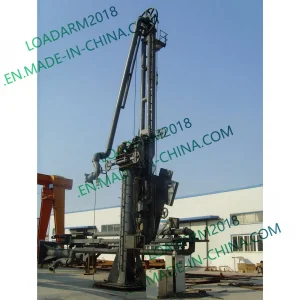
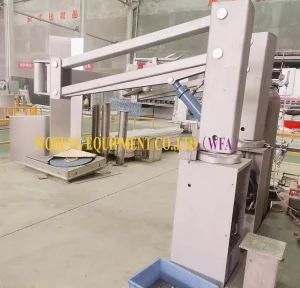
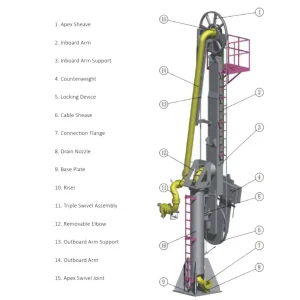
Marine Loading Arms (MLAs) are essential for transferring various fluids such as oil, chemicals, LPG, and LNG between ships and storage facilities.
✓
High Efficiency: Designed to handle large volumes of fluids efficiently, reducing loading and unloading times.
✓
Safety: Incorporates advanced features like emergency release systems (ERS) and quick connect/disconnect couplers (QC/DC).
✓
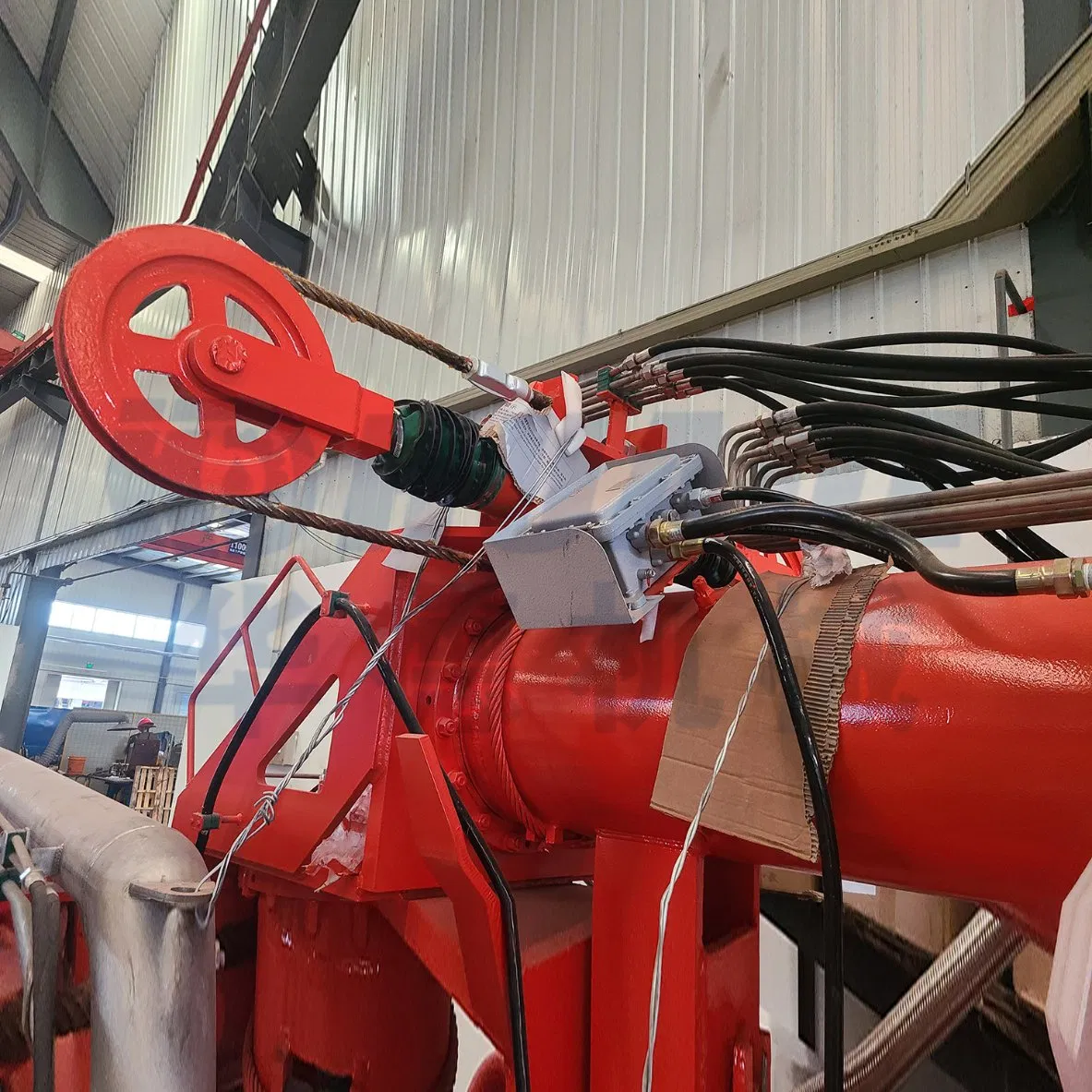
Durability: Built from robust materials to withstand harsh marine environments with low maintenance costs.
✓
Flexibility: Tailored to specific operational needs, ship sizes, and tidal conditions.
Emergency Release Coupler (ERC)
The ERC is installed at the vertical part of the triple swivel assembly of the MLA. it is designed to separate the MLA from the tank ship in critical situations:
- On-site fire where personnel cannot approach.
- Severe weather conditions such as typhoons.
- Drifting of the tank ship beyond normal working areas.
Quick Connect/Disconnect Coupler (QCDC)
QCDC provides a means of quickly and easily connecting/disconnecting the MLA to/from the tanker manifold without bolts or nuts, effectively saving manpower and time.
Technical Parameters
| Structure Type |
Application Details |
| AM61M |
Manual operation, double counterweight. Ideal for inland river jetties (Size < 8"). |
| AM63M |
Manual operation, rotary counterweight. Separate-support design (Size < 10"). |
| AM63H |
Electro-hydraulic operation. Supports ERC and QCDC. Applicable for sea jetties (Size up to 16"). |
| AM64H |
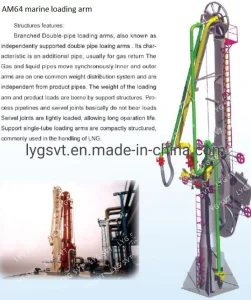
Electro-hydraulic. Features liquid and vapor lines. Maximum 16" liquid with 8" vapor line. |
Application Areas
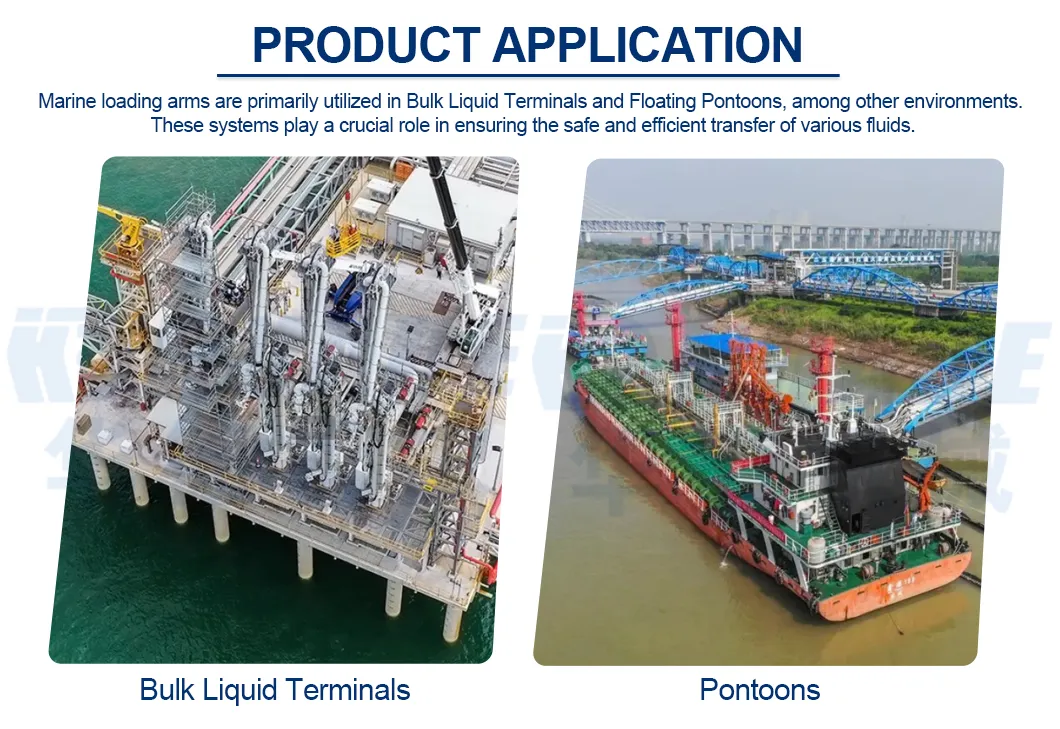
Bulk Liquid Terminals
Essential for loading and unloading crude oil, refined petroleum, and chemicals. Features like ERS and vapor return lines enhance environmental protection.
Pontoons & Floating Docks
Facilitates liquid transfer in offshore locations. Highly flexible design accommodates movements of both the pontoon and the vessel.
Expertise & Manufacturing
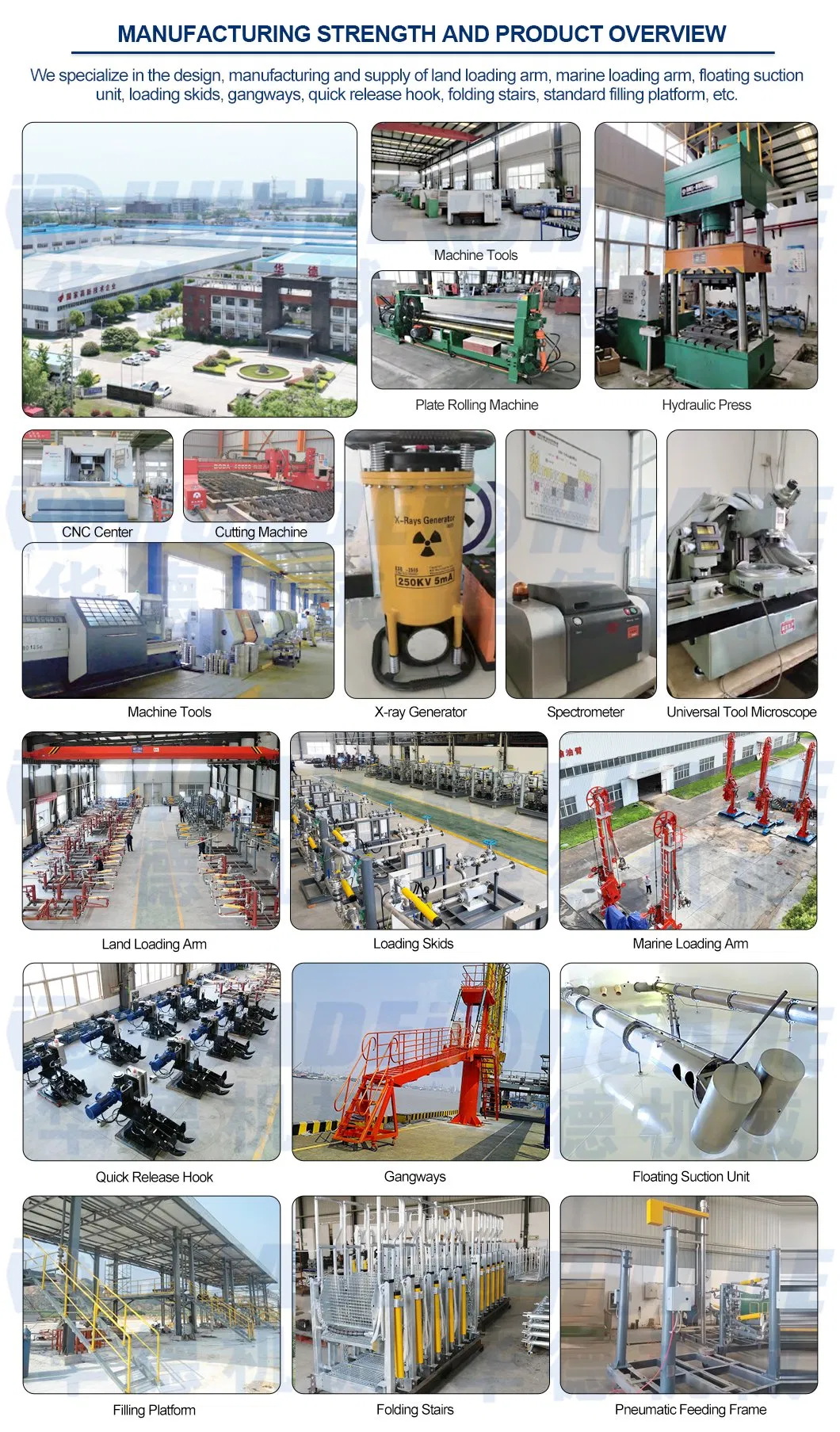
We are a leading manufacturer for loading arms, jetty and petrochemical equipment. As a pioneer in the industry, we have introduced advanced technologies and made significant contributions to the development of fluid transfer systems.
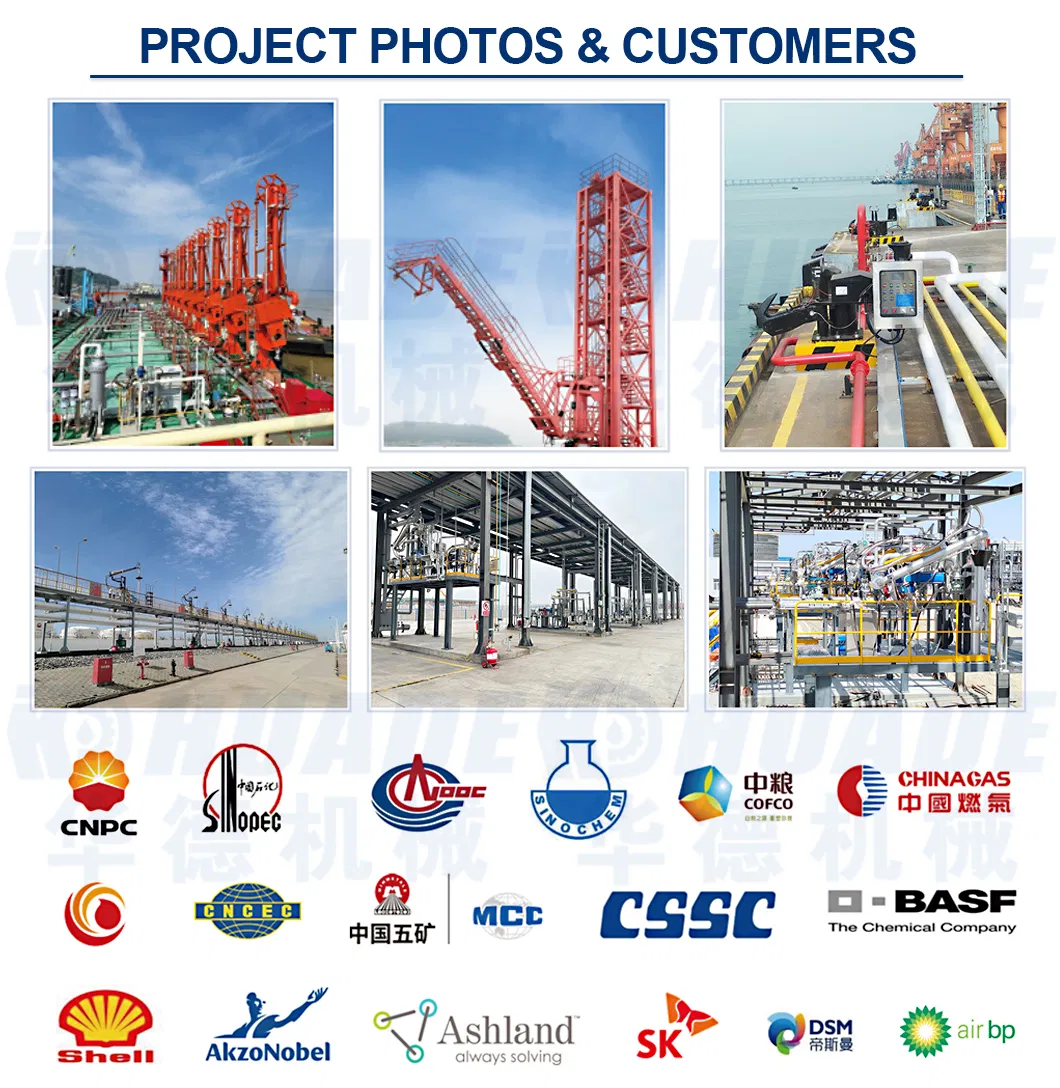
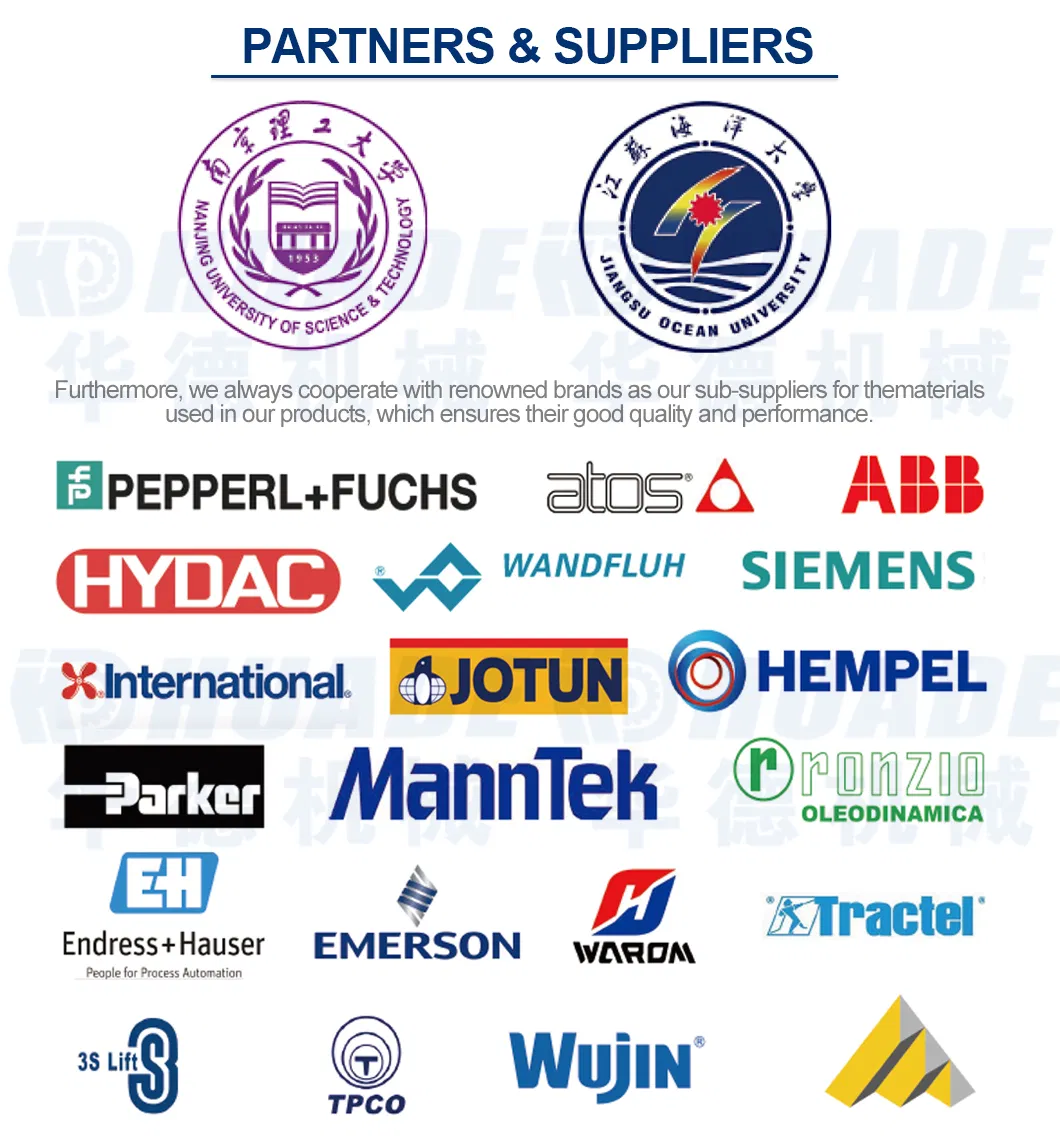
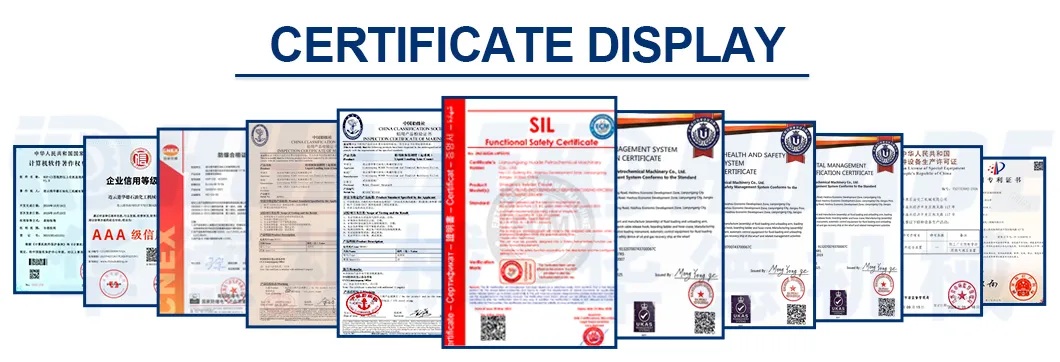
With a factory area exceeding 12 acres and workshop space of 20,000m², we utilize over 120 sets of advanced manufacturing and testing equipment. We hold numerous invention patents and carry certifications including ISO9001, ISO14001, and ISO45001. Our solutions are used globally by major energy and chemical corporations.
Frequently Asked Questions
1. What is the typical production lead time?
Delivery generally takes between 30 to 60 days, depending on the specific product requirements and complexity.
2. What payment terms are available for orders?
We standardly offer terms of a 30% deposit with the remaining 70% due before shipment. These can be negotiated based on specific order details.
3. Is custom branding (OEM) supported?
Yes, we can apply the customer's brand and specific labeling to our equipment as required.
4. How is the quality of the loading arms ensured?
We implement a rigorous quality control process that includes multi-stage inspections throughout production to maintain high industry standards.
5. What documentation is provided with the equipment?
We provide comprehensive documentation including material certificates, detailed inspection reports, and proof of compliance with relevant international standards.
6. How long is the warranty period for these products?
The warranty is valid for 12 months from commissioning or 18 months from delivery, whichever occurs first.
 Liftora Arm